Training Livestock to Respect an Electric Fence
Electricercas team · October 13, 2026 · 5 min read
Key takeaways
- An electric fence is a psychological barrier
- The first shock must be strong and calm
- Use a pen with a physical barrier behind the wire
- Train 3 to 7 days before the big pasture
- Never switch the fence off: animals notice
An electric fence isn't a physical barrier; it's a psychological one. The wire itself wouldn't stop a 1,000-pound cow that decides to walk through it. What stops her is the memory of an unpleasant shock. That makes an animal's first encounter with the fence the most important moment of the entire installation. If that first contact is strong and clear, the animal will respect the line for years. If it's weak, confusing or happens in the wrong place, the animal learns it can push through, and that's hard to undo. This guide covers how to go about training livestock to respect an electric fence, step by step, using a training pen and adjustments for each species.
Why training matters: how animals learn
Cattle, horses, sheep, goats and pigs learn by association. When they touch the wire with their nose or ears (the most sensitive parts and the first ones they explore with), they get a pulse and back off. After two or three similar experiences, they link the visible line with the sensation and avoid it without touching it.
A common mistake is turning animals that have never seen an electric fence straight out into a large pasture. The animal reaches the fence running, scared or pushed by the herd, gets shocked while moving forward, and its natural reaction is to keep going and break through. From then on, it has learned the opposite lesson: the fence can be crossed.
What good training needs
- A strong shock from day one: the training fence should carry the highest voltage you can deliver.
- Calm contact: the animal should touch the fence while walking and exploring, not fleeing.
- A physical barrier behind the hot wire: if the animal spooks, it should hit something solid, not escape.
- Visibility: the line must be easy to see so the animal connects it with the shock.
- Repetition: several days in the same space to lock in the lesson.
The training pen
The most reliable technique is a small training pen with two barriers: a solid physical fence (boards, pipe, woven wire or non-electrified barbed wire) and an electric line on the inside, offset about 12 to 20 inches (30 to 50 cm) from the physical barrier. The animal touches the hot wire, jumps back or forward, and is always contained.
| Element | General recommendation |
|---|---|
| Pen size | Small enough that every animal finds the line, e.g., around 65 × 65 ft (20 × 20 m) for a small group |
| Physical barrier | Solid and tall: boards, pipe, woven wire or non-electrified barbed wire |
| Hot wire offset | 12–20 in (30–50 cm) inside the physical barrier |
| Hot wire height (adult cattle) | Nose/chest height, around 31–35 in (80–90 cm) |
| Target voltage | As high as your energizer allows, ideally 6 kV or more |
| Material | High-visibility tape or polyrope (white or yellow) |
| Duration | 3 to 7 days, depending on how the group responds |
For heights and number of strands by species, see how many wires and what height by animal.
Step-by-step: training cattle to an electric fence
- Build the pen with the physical barrier and the hot wire on the inside. Clear vegetation so there are no leaks.
- Check the voltage with a fence tester at several points. If it's below about 5 kV, fix it before bringing animals in: grounding, connections, insulators.
- Bring animals in quietly, with no dogs, shouting or running. You want them exploring.
- Place water and feed away from the line, but so animals have to move around the pen. That way they find the fence naturally.
- Watch the first contacts. Typically each animal touches the line with its nose, jumps back, then eyes it suspiciously.
- Keep them in the pen 3 to 7 days. Curious or dominant animals often test it several times; shy ones learn by watching.
- Move them to a small paddock with electric fencing, ideally still backed by a physical fence on the most exposed sides.
- Graduate to larger pastures once animals consistently keep their distance from the line without touching it.
Signs the training worked
- Animals leave an ungrazed strip along the fence line.
- They no longer reach toward the wire with their noses.
- When the herd is moved, the group turns at the fence instead of pushing into it.
Adjustments by species
Cattle
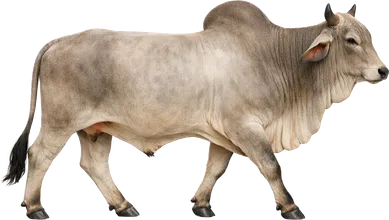
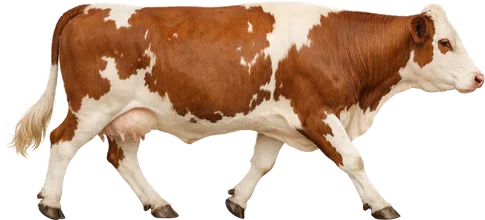
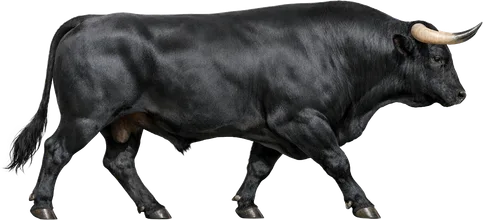
Cattle respond very well to training. Calves usually learn from their mothers, so if the herd is already trained, newborns adapt on their own. Take extra care with animals bought at auction that have never seen an electric fence: always run them through the pen first. More in electric fence for cattle.
Horses
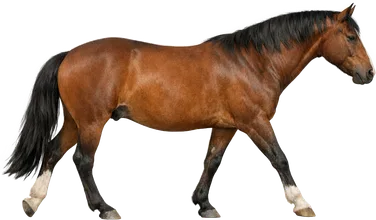
Horses are more sensitive and flighty. Use wide, highly visible tape, introduce the fence calmly, and never train in a space where a spooked horse could get caught in barbed wire. A board or pipe fence with tape on the inside is the ideal combination.
Sheep and goats
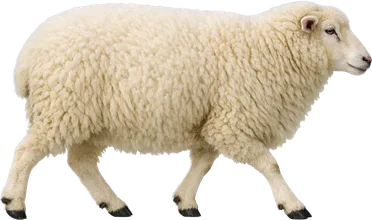
Wool and hair insulate, so the shock needs to be stronger and the line lower, at head height. Goats are persistent explorers: give them extra days in the pen and check the line daily.
Pigs
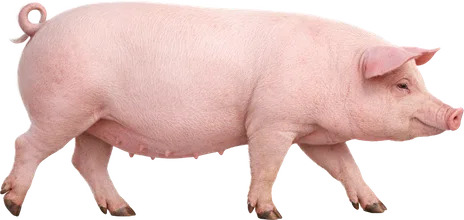
Pigs explore with their snouts close to the ground. The training wire should be low, at snout height, and the ground under the line should be kept clean, since pigs root up soil and can ground the wire with mud.
Common training mistakes
- Turning untrained animals into big pastures. The first contact happens on the run.
- Low voltage on day one. A weak shock teaches that the fence "does nothing."
- An invisible line. Thin wire without tape is hard for new animals to see.
- Switching the fence off "because they've learned." Animals quickly notice a dead fence (no clicking, no sensation) and start testing it again.
- Weeds touching the line. Voltage drops exactly when you need it most.
- Driving animals toward the fence with dogs or shouting. A frightened animal will go through anything.
Keeping respect long-term
Training doesn't end in the pen. The fence must stay on with good voltage, because one test where the animal feels nothing is enough to lose its respect. Walk the line weekly with a fence tester, manage weeds and inspect insulators and splices. Our electric fence maintenance guide has a complete routine.
An energizer with plenty of headroom, quality insulators and visible tape from our electric fence line keep your fence strong even through the rainy season.
Build your training pen with us
If you're bringing in new stock or switching from conventional to electric fencing, set up a training pen first. Electricercas can help you choose the energizer, tape and accessories. Estimate materials by acreage with our fence calculator, browse our installation guides, or contact us on WhatsApp at +57 305 453 5264. We ship from Medellín, Colombia, nationwide and internationally.
Frequently asked questions
How long does it take cattle to learn an electric fence?
Most cattle learn within a few days if the first contact is strong and calm. A 3- to 7-day training pen is usually enough. Very curious animals and goats may need longer.
Why do my cattle keep getting through the electric fence?
The usual causes are low voltage from weeds or a poor ground system, animals that were never trained, or a fence that was off long enough for them to lose respect. Test voltage at the far end and fix leaks before retraining.
Can I turn the fence off once livestock are trained?
It's not recommended. Animals quickly sense a dead fence and start testing it again. Keeping it on with strong voltage is what makes the training stick.
Need help with your fence?
We ship worldwide. Message us and an advisor will help you choose the right setup.