








Electric Fence Maintenance Guide: Monthly and Yearly Checks
Electricercas team · October 19, 2026 · 5 min read
Key takeaways
- Measure voltage at the far end every week
- Weeds are the number one cause of leaks
- Check insulators, tension, and splices monthly
- Test the ground system once a year
- Cut-out switches help locate faults fast
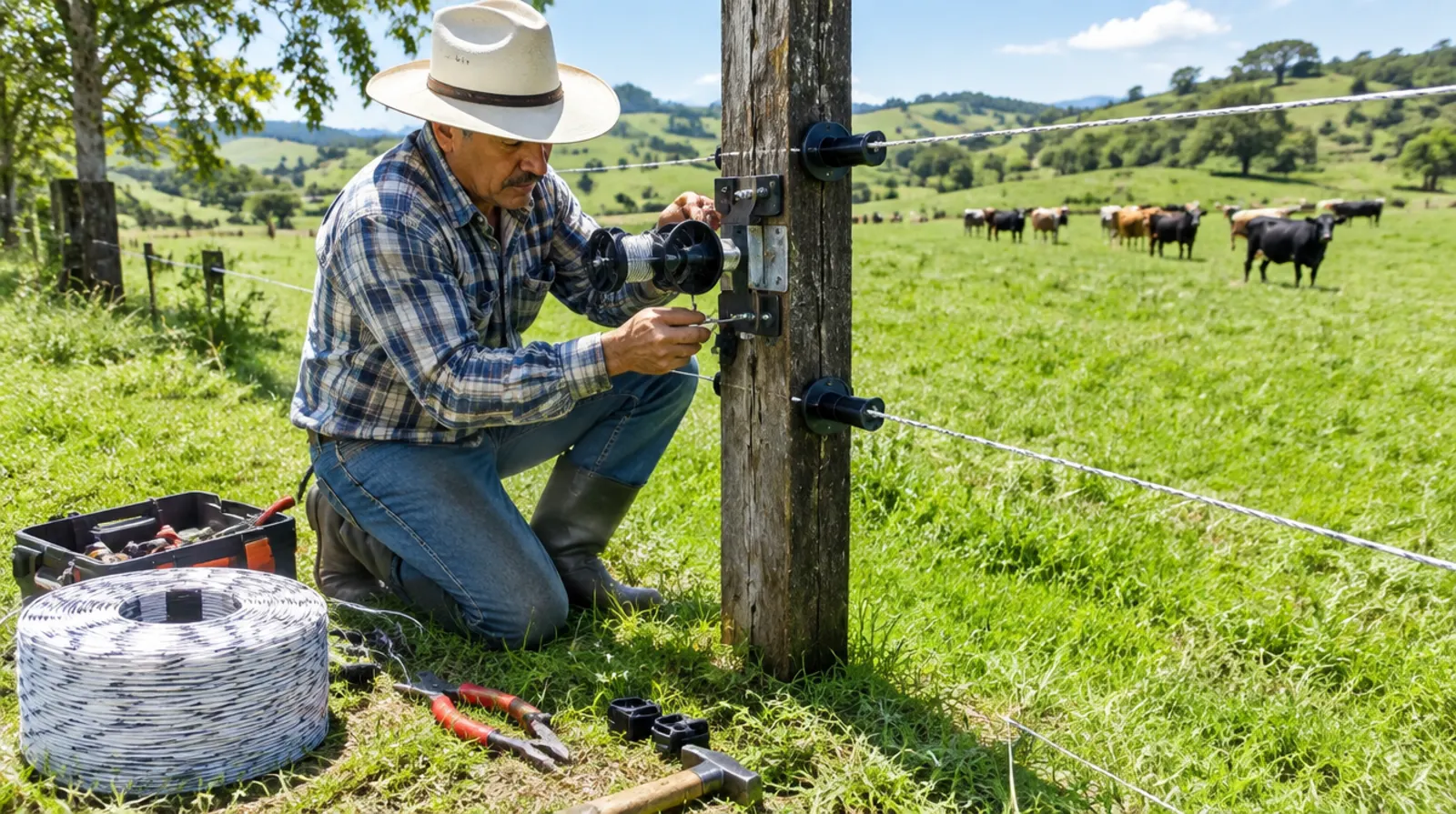
An electric fence rarely fails overnight. It loses its punch little by little: a cracked insulator here, a branch leaning on the wire there, a ground rod drying out in summer, and one day your cattle turn up in the neighbor's field. The good news is that electric fence maintenance doesn't take much time if you follow a routine. This guide gives you a concrete plan: what to check every week, every month, and every year, which tools you need, and how to track down a short without walking miles of fence blind.
Why maintenance matters so much
The energizer sends pulses of energy down the wire. Anything that touches that wire and connects it to the ground (grass, branches, a broken insulator, a metal post) bleeds part of that energy away. The more leaks, the lower the voltage at the end of the fence and the less respect animals give it. And an animal that finds a weak spot once learns to test the fence. That's why you want to find problems before your livestock does.
Basic tools
- Digital fence voltmeter: essential for measuring voltage at different points. Fault finders also show the direction of the leak.
- Neon or light tester: handy for a quick check, though less precise.
- String trimmer or machete: to keep vegetation off the wires.
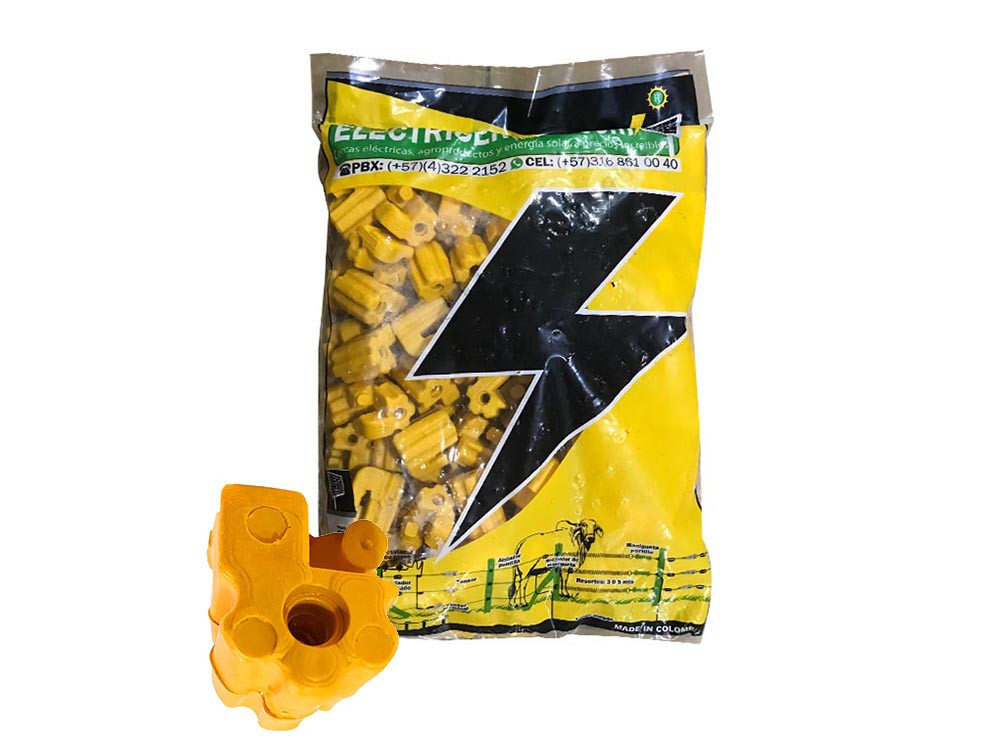
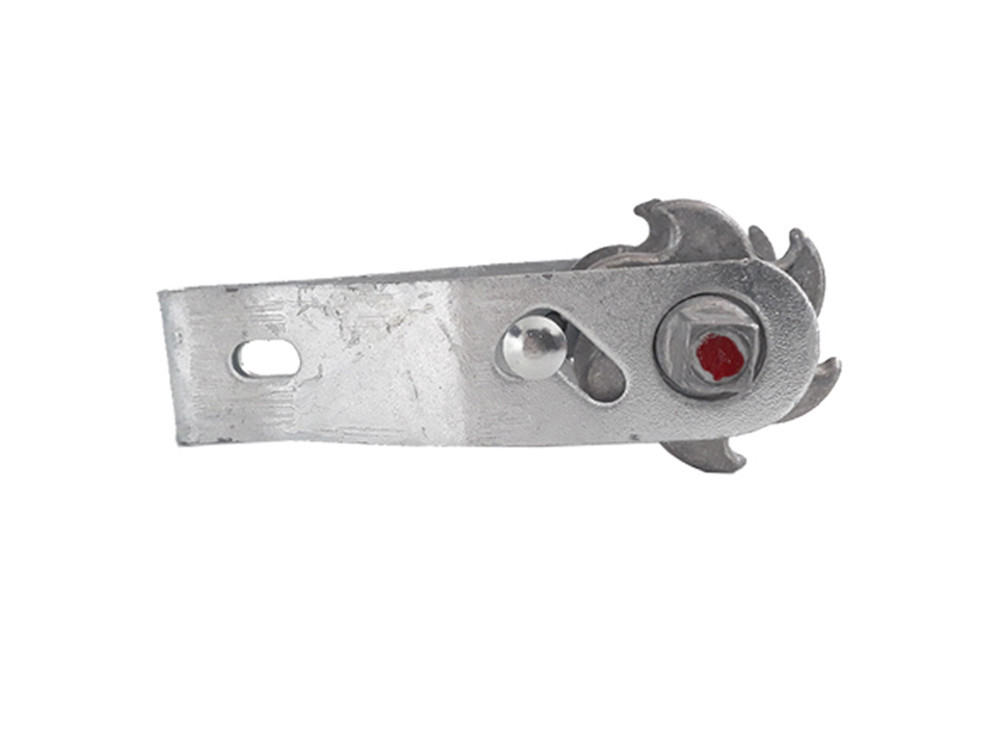
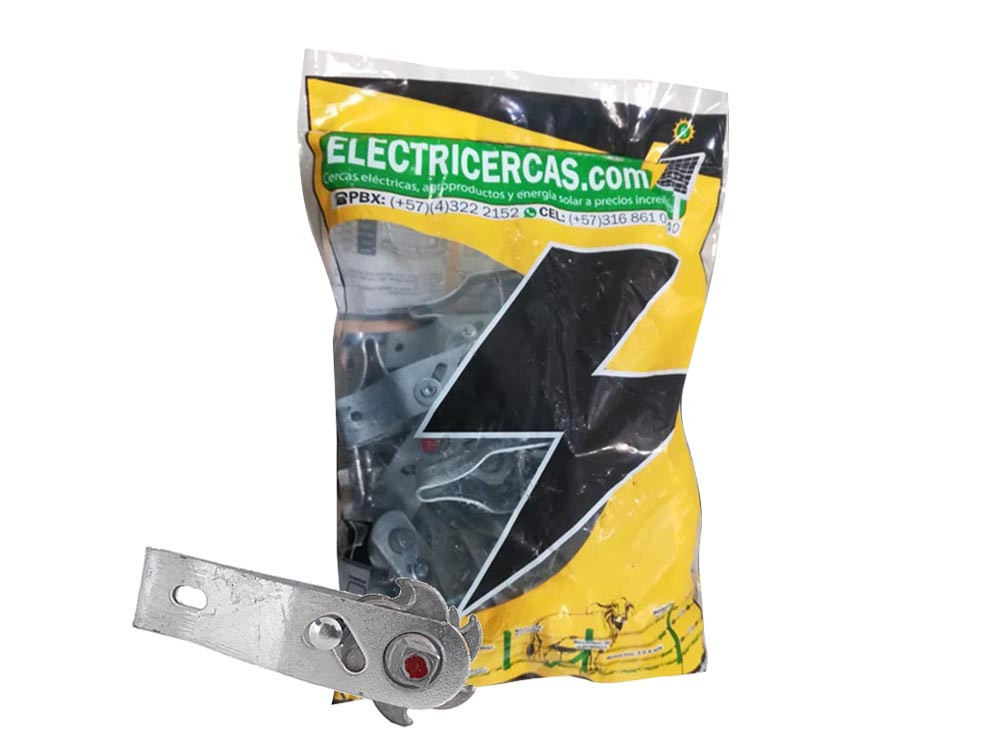
- Spare insulators, strainers, and splices: keep a few in the truck.
- Pliers and a strainer handle.
Find testers, insulators, and spare parts in electric fence accessories and electric fence insulators.
Weekly routine (10 minutes)
- Check the energizer's light or indicator: it should pulse steadily.
- Measure voltage at the farthest point of the fence and write it down.
- Compare with last week's reading: a sharp drop means a new leak.
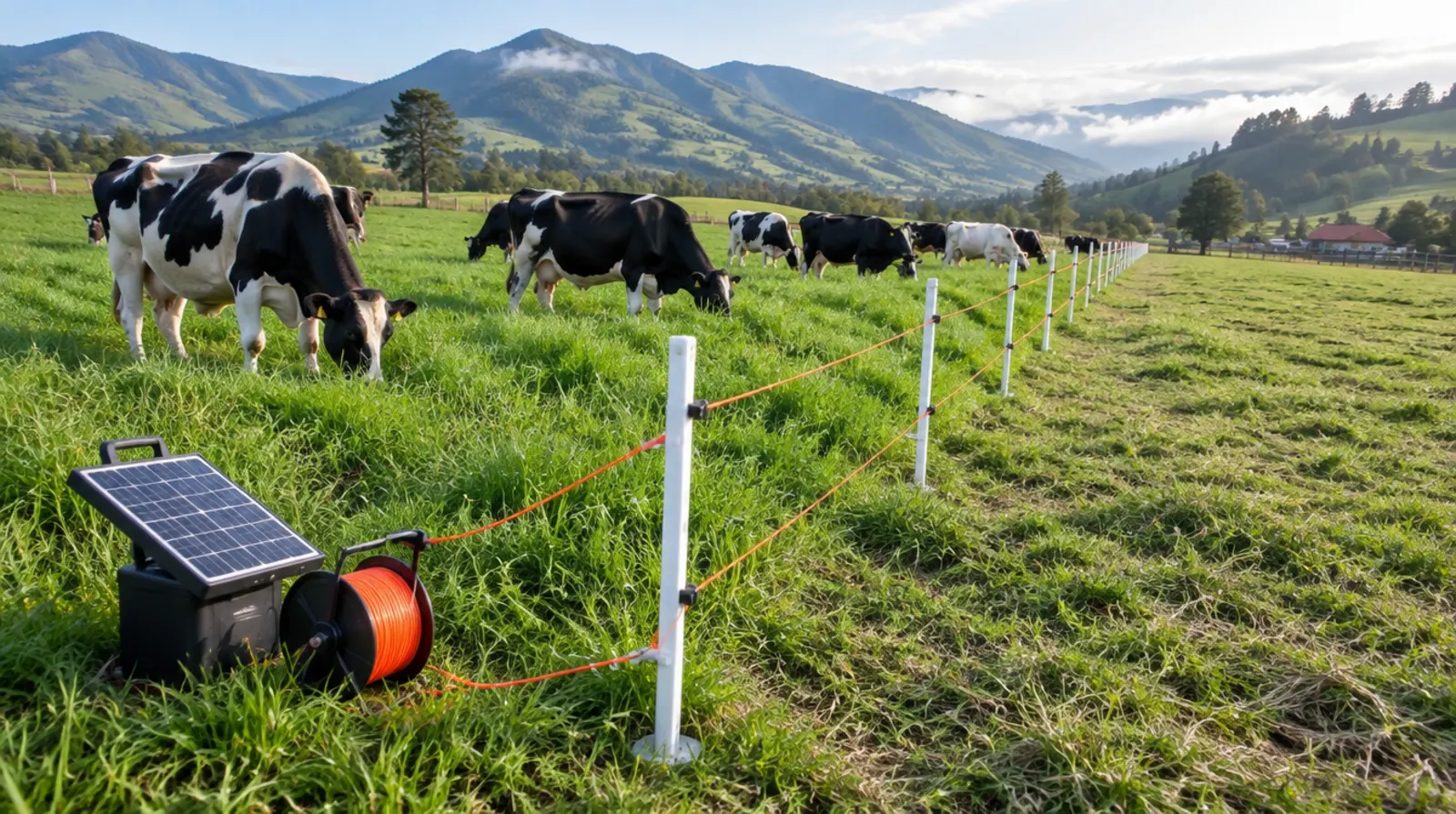
- If the energizer is battery or solar, check the charge level.
- Walk the stretches where cattle push the most: corners, water troughs, and gates.
A simple log, even in a pocket notebook, lets you spot trends. If voltage drops a little every week, the cause is probably growing vegetation.
Monthly routine
- Weed control: cut grass and branches touching the bottom wire. In the rainy season grass grows fast and is the most common cause of voltage loss.
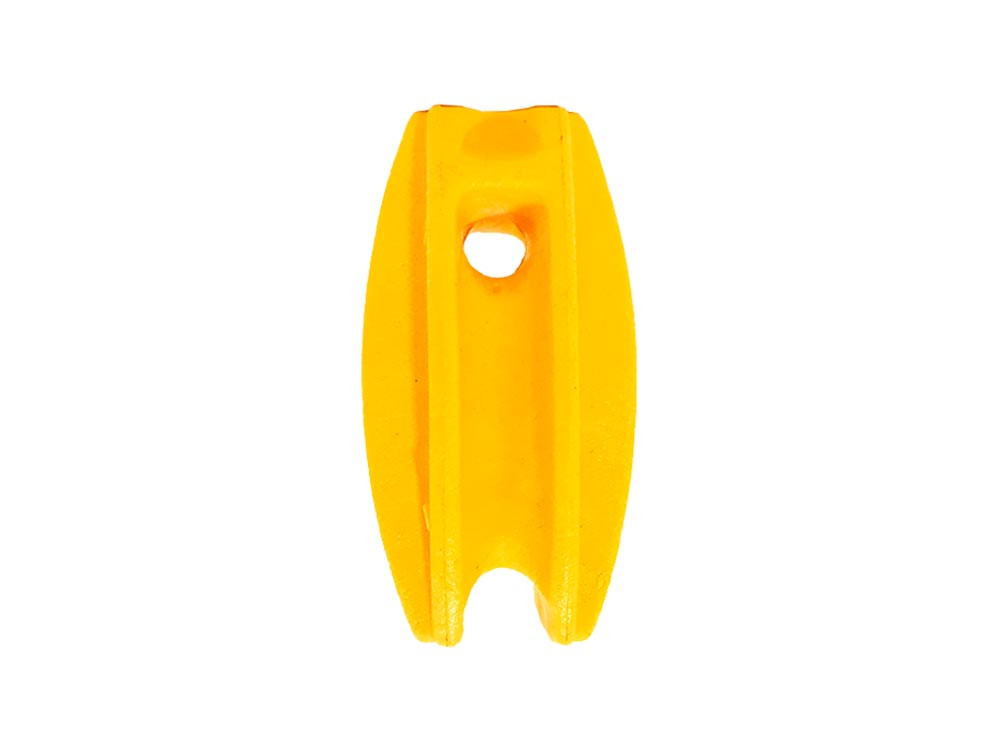
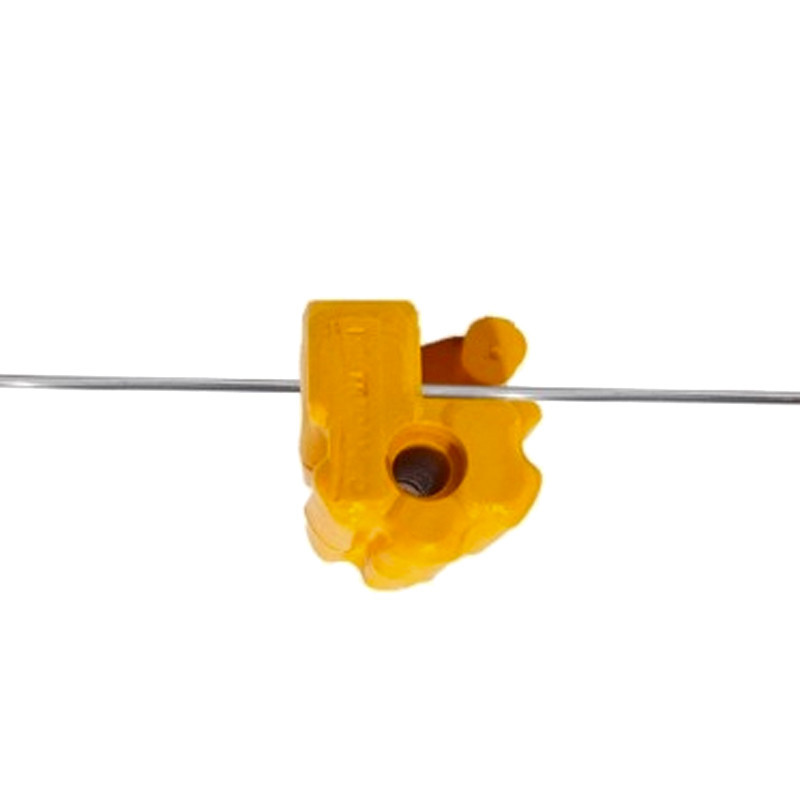
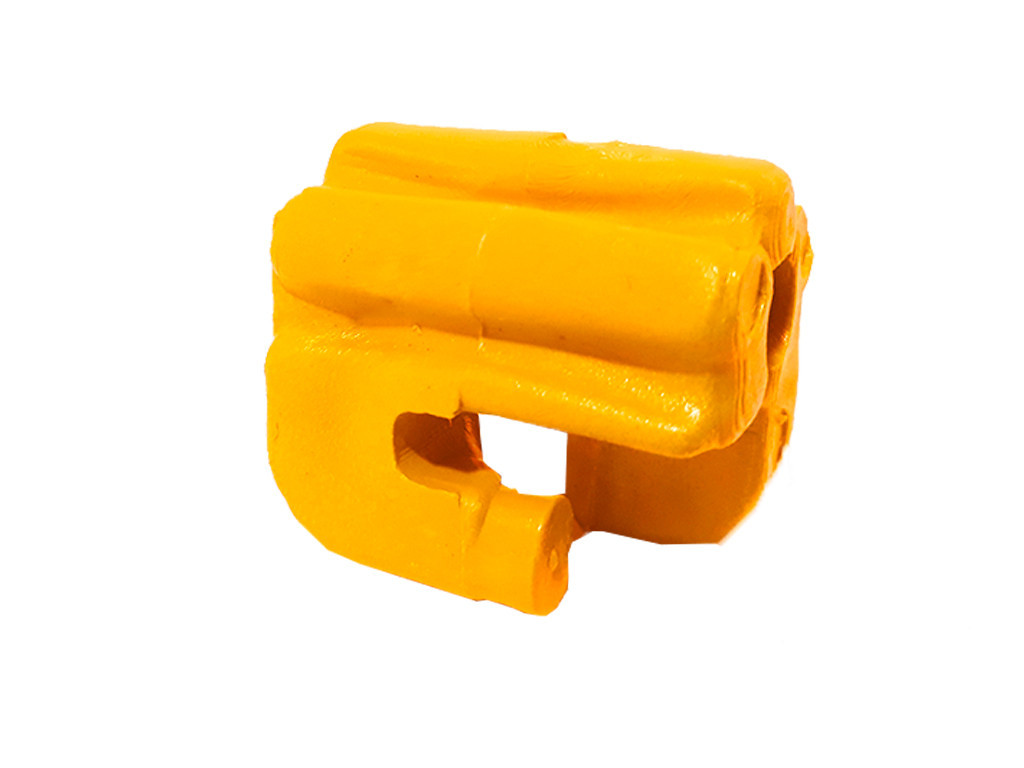
- Insulators: look for cracked, burned, or displaced insulators, especially on wet wooden or steel posts.
- Wire tension: a slack wire drops lower, touches the ground in the wind, or gets tangled. Re-tighten with the strainers.
- Splices: make sure joints are tight; a loose splice arcs and leaks.
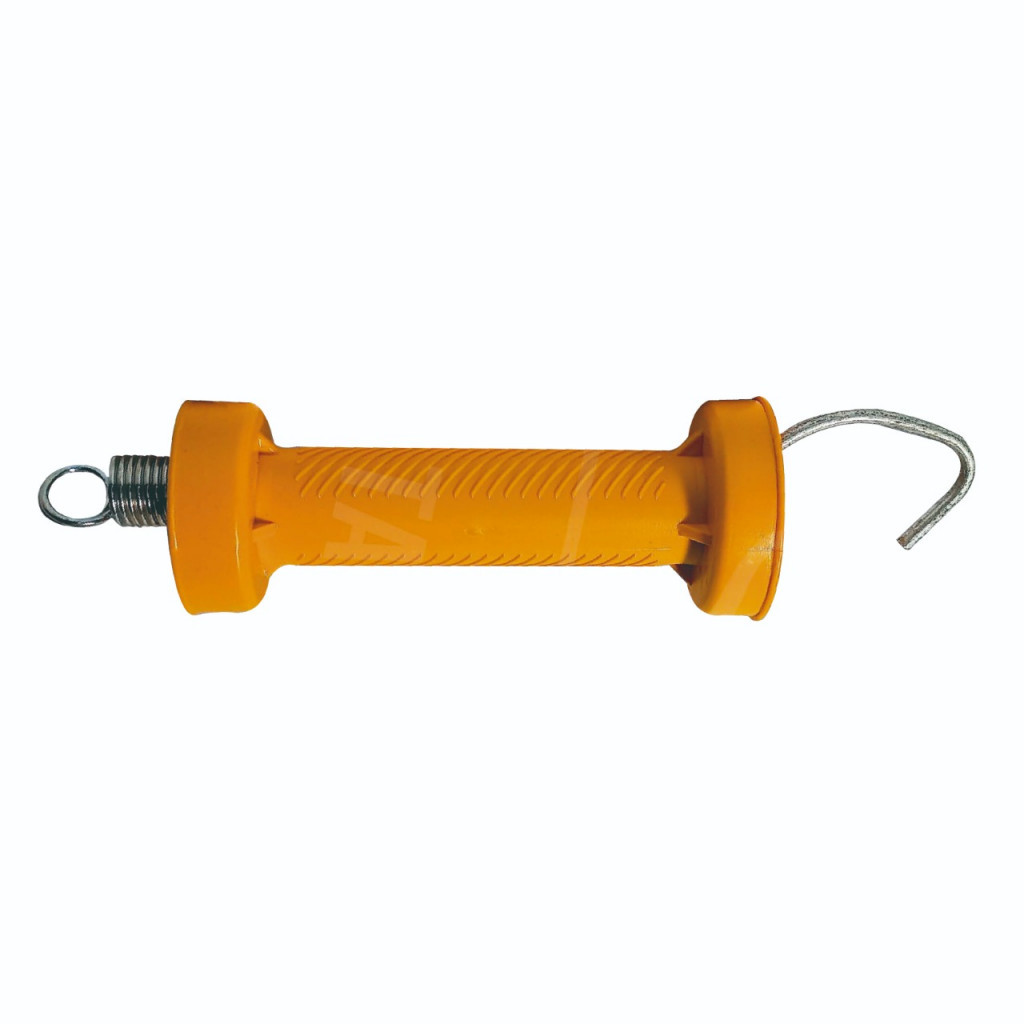
- Gates: check handles and springs, which are frequent wear and leak points.
- Solar panel: clean off dust, leaves, and bird droppings.
Annual routine (or before the rainy season)
| Component | What to check | Action |
|---|---|---|
| Ground system | Corrosion, loose clamps, dry soil | Clean clamps, add rods if needed |
| Brace posts | Rot at the base, leaning | Replace or re-brace |
| Wire | Rust, breaks, too many splices | Replace damaged sections |
| Battery | Capacity, corroded terminals | Clean terminals, replace if it won't hold charge |
| Lightning diverter | Connections, burn marks after storms | Inspect and replace if damaged |
| Warning signs | Present and readable | Replace missing signs |
| Energizer | Knocks, moisture, insects inside | Clean and shelter from the weather |
How to test your ground system
A widely used test: at least 330 ft (100 m) from the energizer, create a deliberate short by connecting the hot wire to the soil with several steel rods. Then measure the voltage between the last ground rod of the system and a spare rod pushed into the soil about 3 ft (1 m) away. If the meter reads more than a few hundred volts, your ground is inadequate and you need more rods or better connections. Follow your energizer's instructions and our installation manuals.
How to find a short step by step
- Measure voltage at the energizer terminals with the fence disconnected. If it's low, the problem is the unit or the ground.
- Reconnect the fence and measure at the start of the line. A large drop means a leak on the fence.
- If you have cut-out switches by section, turn sections off one at a time until voltage recovers.
- Walk the affected section, measuring every so often; voltage falls as you get closer to the fault.
- With a fault finder, follow the arrow showing the current's direction.
- In that area, check insulators, vegetation, fallen wires, and contact with steel posts or old barbed wire.
- Fix it and measure again at the far end.
Installing cut-out switches by section is one of the best investments you can make: it turns an hours-long search into minutes.
Common faults and fixes
| Symptom | Likely cause | Fix |
|---|---|---|
| Low voltage along the whole fence | Weeds, poor ground, or undersized energizer | Cut weeds, improve ground, check sizing |
| Low voltage on one section only | Broken insulator, wire touching a post | Locate with fault finder and repair |
| Audible clicking on the fence | Arcing at an insulator or loose splice | Replace insulator or redo the splice |
| Energizer dead in the morning | Flat battery or dirty panel | Recharge, clean panel, check sizing |
| Energizer damaged after a storm | Lightning came down the line | Install or inspect a lightning diverter |
Seasonal tips
In the wet season grass grows fast and moisture encourages leaks, so cut weeds more often. In the dry season the soil dries out and the ground system loses effectiveness. If the shock feels weak during a drought, watering the ground rods can help temporarily, but the real fix is adding more rods.
If an old barbed wire fence still stands next to your electric one, make sure they never touch; that contact is a very common leak. We explain why in electric fence vs. barbed wire. And if you're thinking about upgrading your unit, see 110 V, battery, or solar energizer.
Spare parts and advice from Electricercas
Since 2014 we've supplied ranchers with spare parts, testers, and energizers, with more than 11,000 orders delivered and shipping across Colombia and internationally. Browse our electric fence category, estimate materials in the calculator, or contact us on WhatsApp at +57 305 453 5264 if your fence has lost its punch and you can't find why. We'll help you troubleshoot it.
Frequently asked questions
Why is my electric fence not working?
The most common causes are weeds touching the wires, broken insulators, a poor ground system, or a flat battery. Start by measuring at the energizer terminals with the fence disconnected to tell whether the problem is the unit or the line.
How often should I check an electric fence?
Measure voltage weekly, control weeds and inspect insulators monthly, and do a full check of the ground system, posts, and battery once a year or before the wet season.
How do I know if my fence ground is good?
Short the fence to the soil well away from the energizer, then measure between the last ground rod and a spare rod nearby. More than a few hundred volts means you need more rods or better connections.
What kind of fence tester do I need?
A digital fence voltmeter covers routine maintenance. For long fences, a fault finder that shows the direction of the leak will save you a lot of walking.
Need help with your fence?
We ship worldwide. Message us and an advisor will help you choose the right setup.