



Electric Fence Energizer: Plug-In, Battery, or Solar?
Electricercas team · October 15, 2026 · 5 min read
Key takeaways
- Plug-in: most power where mains is reliable
- Battery: portable, but needs recharging
- Solar: best for remote pastures off the grid
- Count every strand when sizing the unit
- Poor grounding ruins any energizer
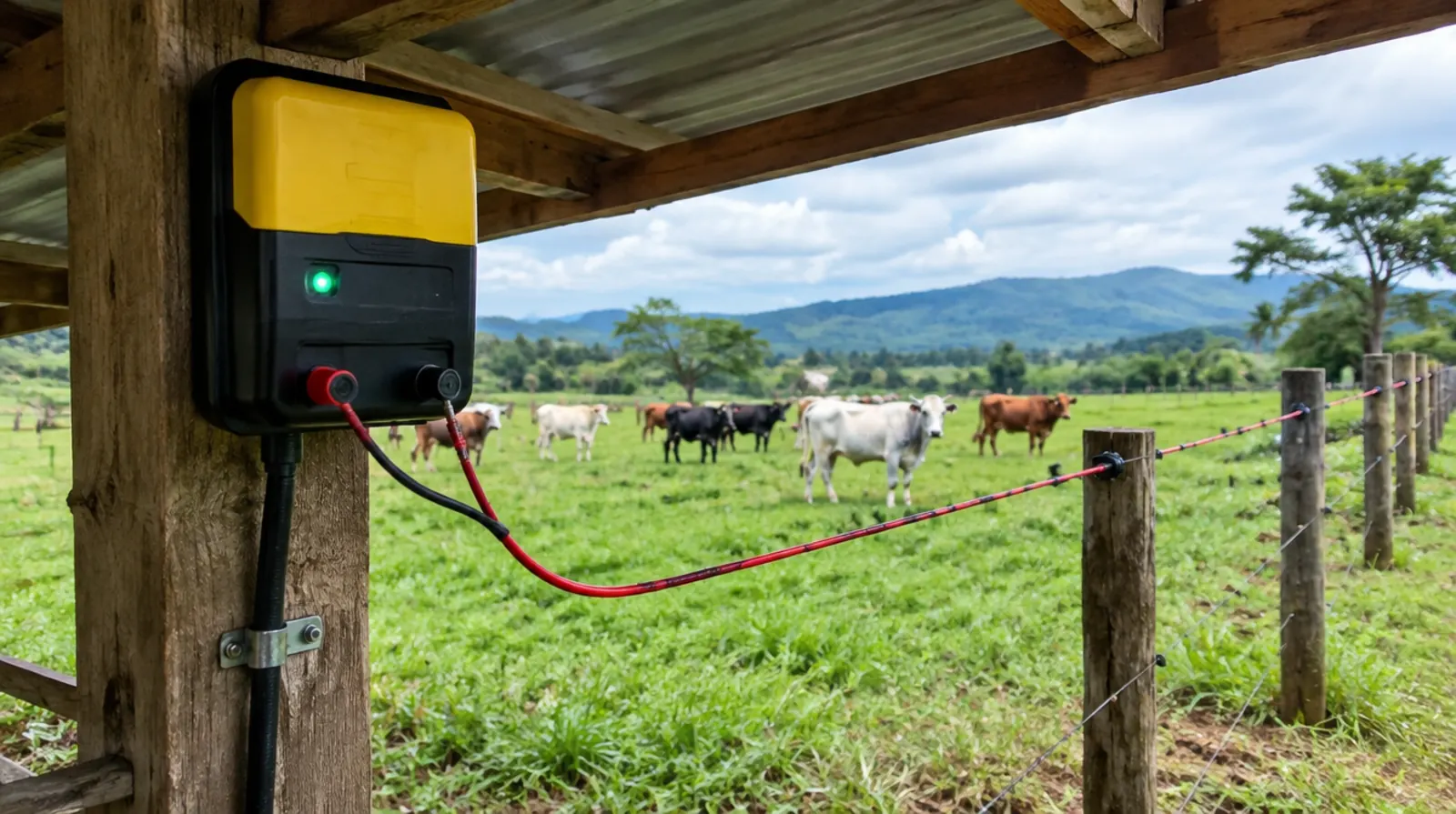
The energizer (also called a charger or fence controller) is the heart of an electric fence, and one of the first decisions when buying one is where it will get its power. You have three options: plug it into 110 V mains, run it on a 12 V battery, or pair it with a solar panel and battery. Each choice changes the upfront cost, the upkeep, and above all how reliable your fence is day to day. This guide explains how each type of electric fence energizer works, when each one makes sense, and which mistakes to avoid so your fence doesn't go dead right when you need it most.
Start with where the power is and where the fence is
Before comparing joules or brands, answer three questions:
- Is there a reliable 110 V outlet near the point where the fence starts?
- How often does the power go out where you are?
- Is the fence permanent, or will you move it between paddocks?
With those answers, the choice almost makes itself. A plug-in energizer on a farm with daily outages is a poor investment, and so is a solar unit in a barn with stable power six feet away.
Comparing the three types
| Feature | 110 V (plug-in) | 12 V battery | Solar |
|---|---|---|---|
| Power source | Mains grid | Rechargeable battery | Solar panel + battery |
| Available output | Highest | Medium | Medium, depends on panel and battery |
| Upfront cost | Low to medium | Medium | Medium to high |
| Running cost | Low electricity use | Recharge or swap battery | Nearly zero |
| Works without grid | No | Yes | Yes |
| Portability | Fixed | Portable | Portable or fixed |
| Maintenance | Minimal | Frequent recharging | Clean panel, check battery |
| Best for | Long fences near the house or barn | Temporary fences and backup | Remote pastures off the grid |
110 V energizer: maximum power with stable mains
This is the cheapest option per joule. With constant power, it can drive long fences, multiple strands, and some vegetation load without losing punch. It's ideal when the house, barn, or milking parlor is close to where the fence starts.
The drawbacks: it depends on the power staying on and it's tied to one spot. In areas with frequent thunderstorms, install a fence lightning diverter and surge protection, because a strike coming down the line can destroy the unit. Browse our energizers.
Battery energizer: freedom to move
It runs on a 12 V battery, usually deep-cycle. Its big advantage is that you take it wherever you need it: a distant paddock, a temporary fence, or newly leased ground. It also works as a backup when the grid fails.
The challenge is runtime. The battery drains and has to be recharged or swapped regularly; forget it and the fence goes dead without warning. A common trick is to keep two batteries and rotate them. Always use deep-cycle batteries: car batteries aren't built for long discharges and wear out fast.
Solar energizer: autonomy in remote pastures
A solar energizer is a battery unit with a panel that recharges it during the day. In sunny regions, it's the most practical solution for pastures without grid power. Running costs are close to zero and you don't have to babysit recharges.
What to watch: size the panel and battery to ride through several cloudy days, aim the panel toward the sun (south-facing in the Northern Hemisphere at higher latitudes; near the equator, as unshaded and open as possible), keep it clean of dust and bird droppings, and check the battery periodically. See our solar energizers.
How much power do you need?
Beyond the power source, the energizer must have enough energy for the total length of electrified wire, the number of strands, the species, and the weed load. Some general guidelines:
- Add up every strand: 3,300 ft (1,000 m) of fence with 3 strands is nearly 10,000 ft (3,000 m) of hot wire.
- Manufacturers rate range in miles or kilometers under ideal conditions; leave headroom for vegetation.
- Long-haired or woolly animals like sheep need more energy than short-haired cattle.
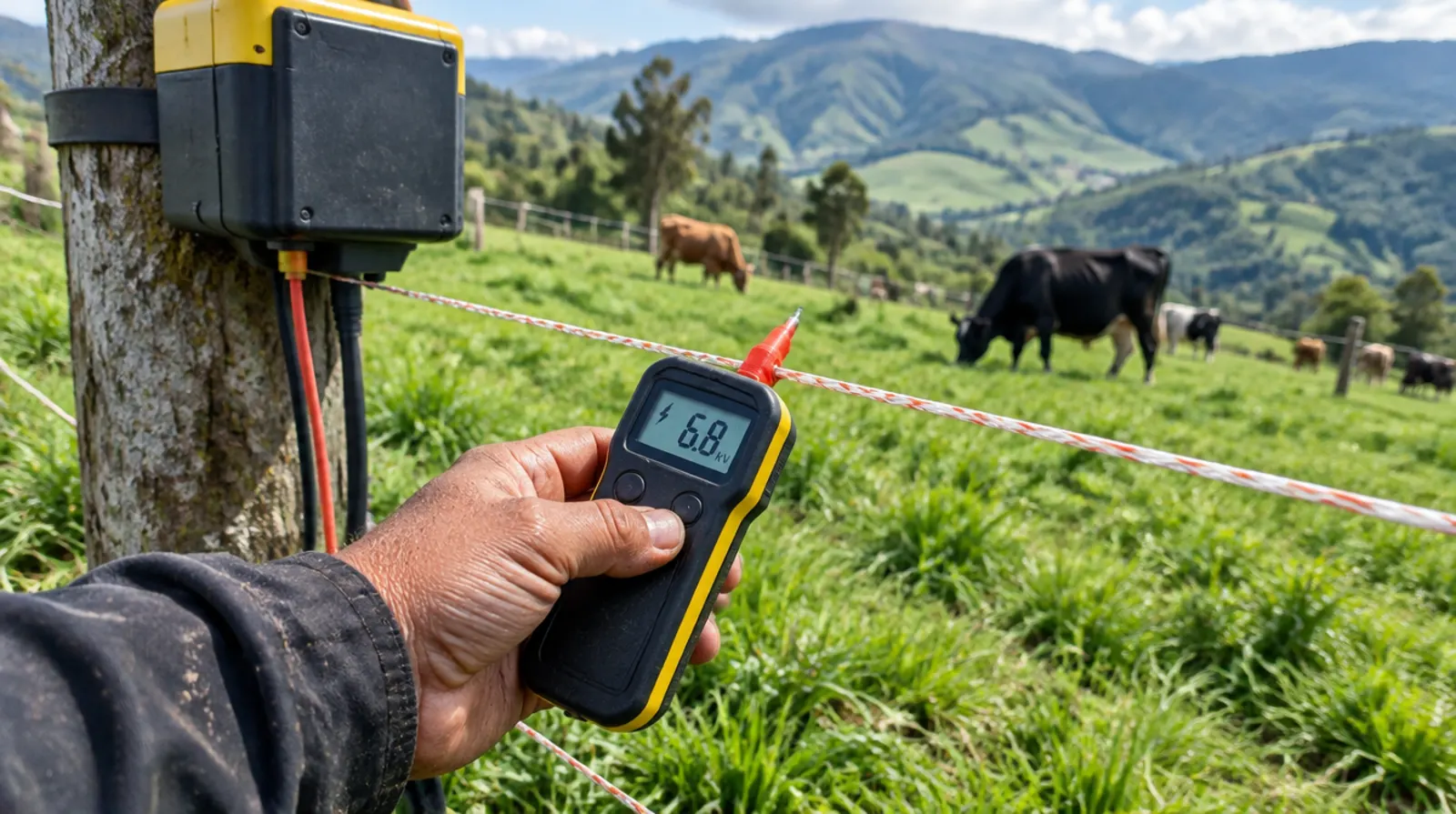
- As a general reference, aim to keep several thousand volts at the far end of the fence for cattle, and somewhat more for sheep and goats.
If you're unsure what size you need, our fence calculator suggests an energizer based on your acreage, and you'll find more technical detail in our electric fence category.
Choosing step by step
- Measure the total electrified wire (fence length × number of strands).
- Identify the livestock and the weed pressure.
- Check whether stable 110 V power is available at the starting point.
- If mains is reliable, choose a plug-in energizer with output to spare.
- If there's no grid or it's unreliable, choose a solar energizer with a deep-cycle battery.
- If the fence is temporary or moves often, consider a portable battery or solar unit.
- Plan the grounding: without a good ground, no energizer performs.
- Add a lightning diverter if your area gets frequent storms.
Grounding: the detail that fails most often
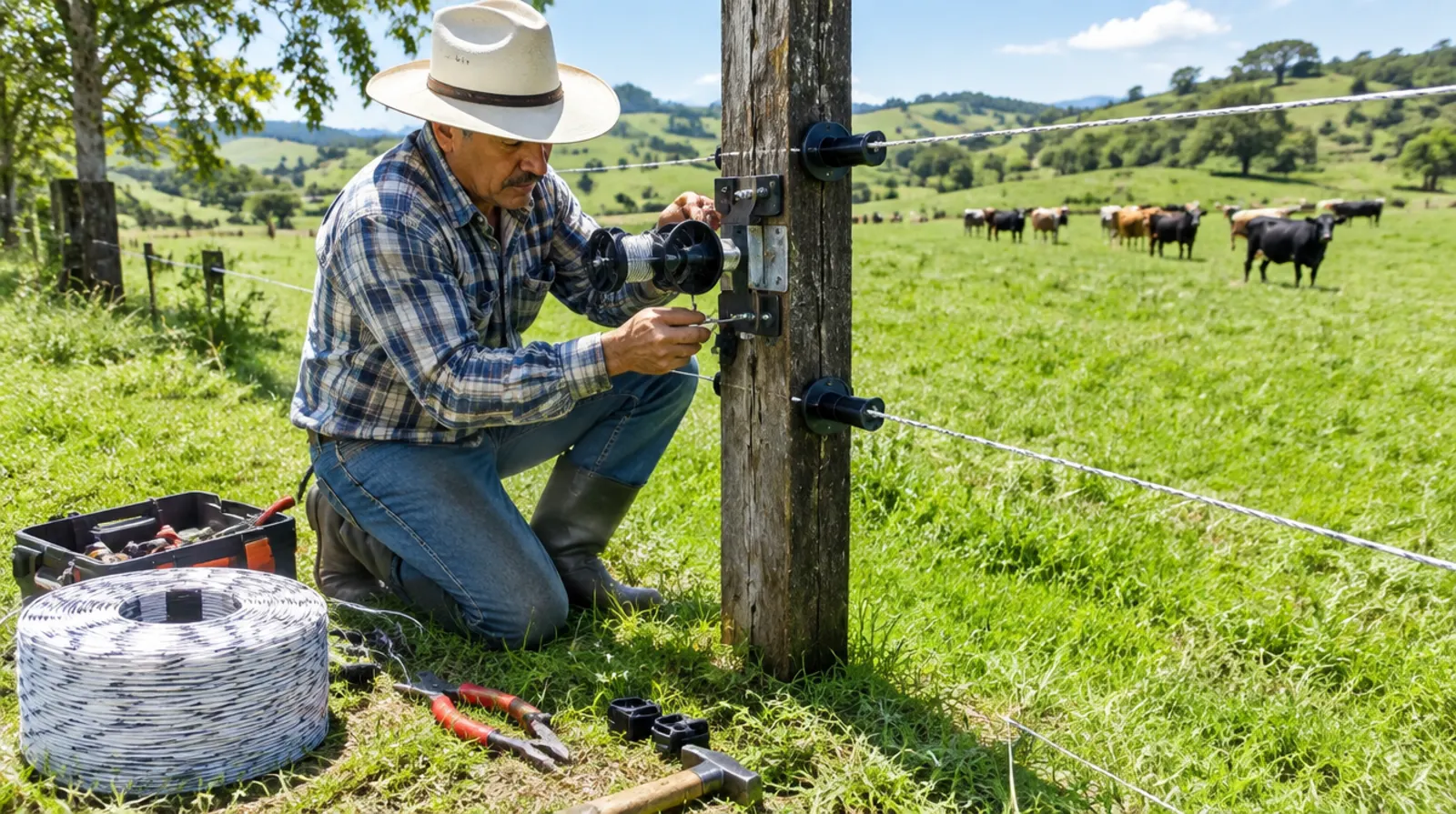
Whether your energizer is plug-in, battery, or solar, poor grounding means a weak shock. A common practice is several galvanized ground rods, at least about 3 ft (1 m) long, spaced several feet apart and connected with continuous cable and tight clamps. Dry or sandy soil needs more rods. Find rods, cable, and clamps in electric fence accessories and the step-by-step in our installation manuals.
Common mistakes when choosing an energizer
- Buying on price a unit that can't handle the real fence length.
- Using a car battery in a battery or solar energizer.
- Mounting the solar panel in the shade of a tree or roof.
- Connecting a fence to 110 V mains without an energizer: dangerous and illegal.
- Skipping the lightning diverter in stormy areas.
- Setting the battery directly in mud, exposed to moisture and knocks.
What about combining them?
Many farms run a plug-in energizer on the main fence near the house and a solar one for distant paddocks. Others keep a battery unit as backup for outage season. There's no single answer; what matters is that every section has reliable power. If you're planning strip grazing, read about the portable electric fence for paddocks, where portable energizers shine. And to keep your unit running for years, follow our electric fence maintenance guide.
Let us help you pick your energizer
Electricercas has been advising ranchers and growers since 2014, with more than 11,000 orders delivered, and we ship across Colombia and to other countries. Tell us how much fence you have, what livestock you run, and whether there's power on your farm: contact us on WhatsApp at +57 305 453 5264 or work out your project in the calculator.
Frequently asked questions
Is a solar or plug-in fence charger better?
If you have reliable mains near the start of the fence, a plug-in unit gives more power for less money. If the pasture is far from the grid or outages are common, solar is more dependable and costs almost nothing to run.
Can I use a car battery on a fence energizer?
It isn't recommended. Car batteries are made for short bursts and wear out under continuous use. Use a deep-cycle battery designed to be discharged and recharged many times.
How long does a solar energizer battery last?
It depends on battery size, energizer draw, and weather. The key is sizing the panel and battery to cover several cloudy days and checking the battery regularly.
Can I connect a fence directly to household power?
Never. Mains current is continuous and dangerous. Always use an energizer built for fences, which delivers short, safe pulses.
Need help with your fence?
We ship worldwide. Message us and an advisor will help you choose the right setup.
Products for this topic
See all →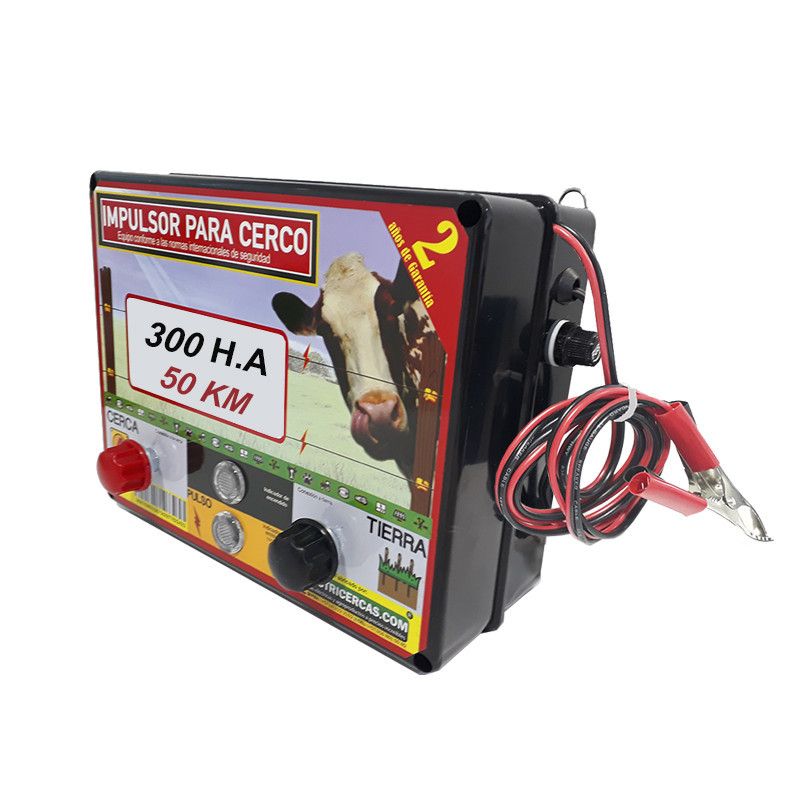
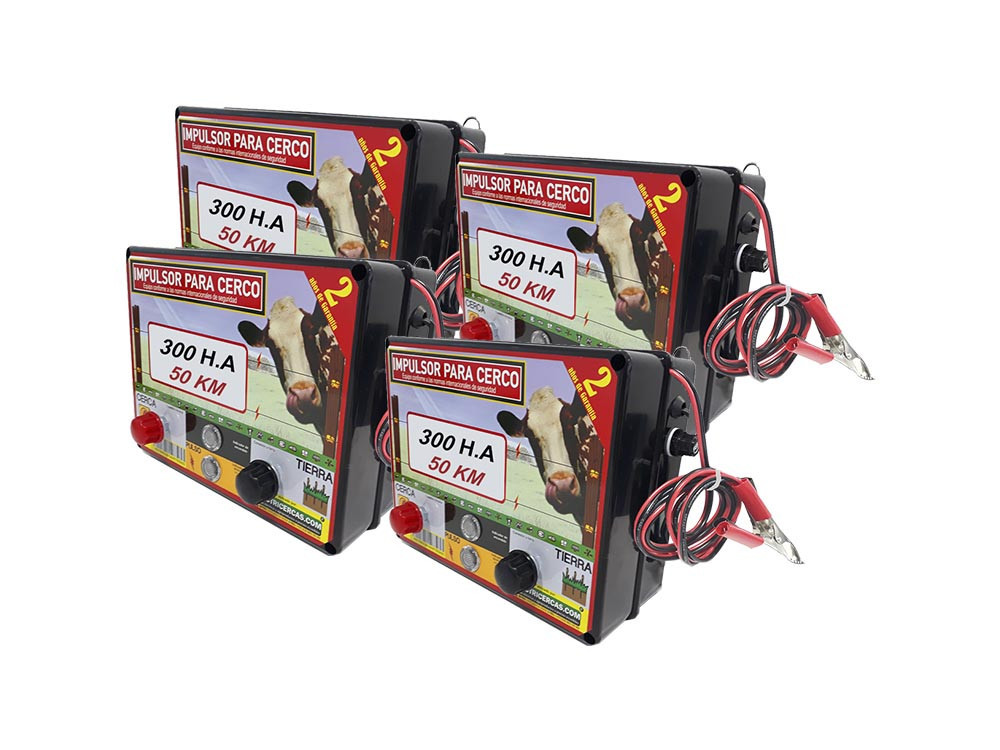
Impulsor B 50 Km (300 Hectáreas) De Batería 12 VTS
1 Unidad(es)
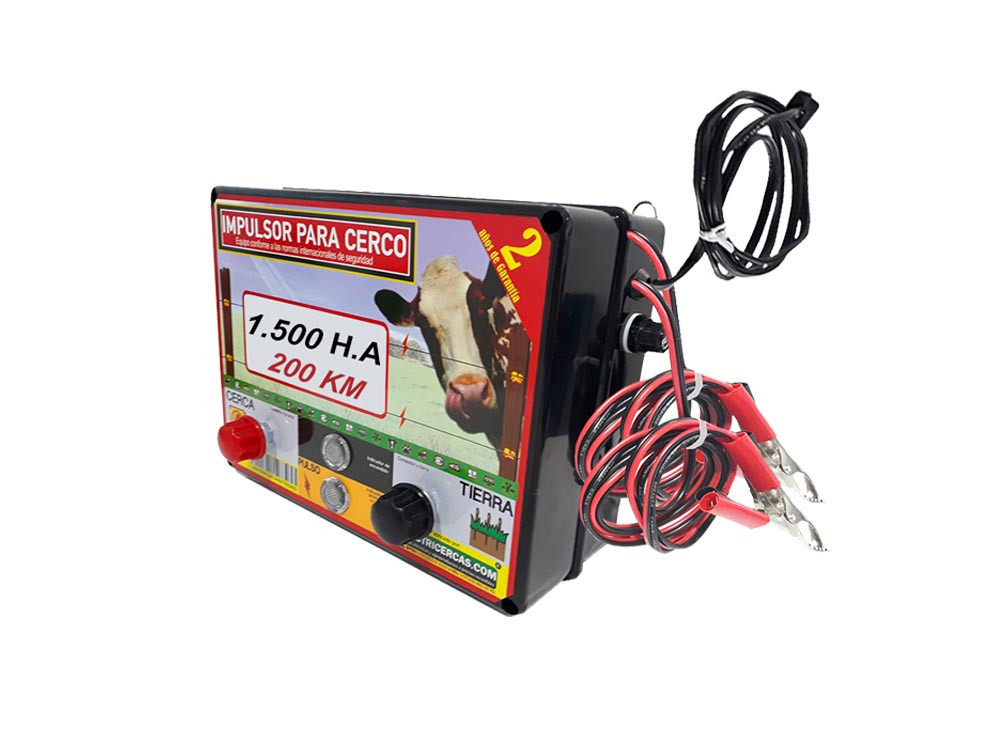
Impulsor D 200 KM (1500 Hectáreas) De Corriente 110 VTS & Batería 12 VTS
1 Unidad(es)
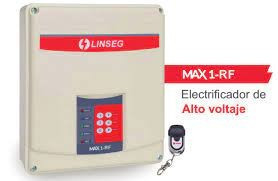
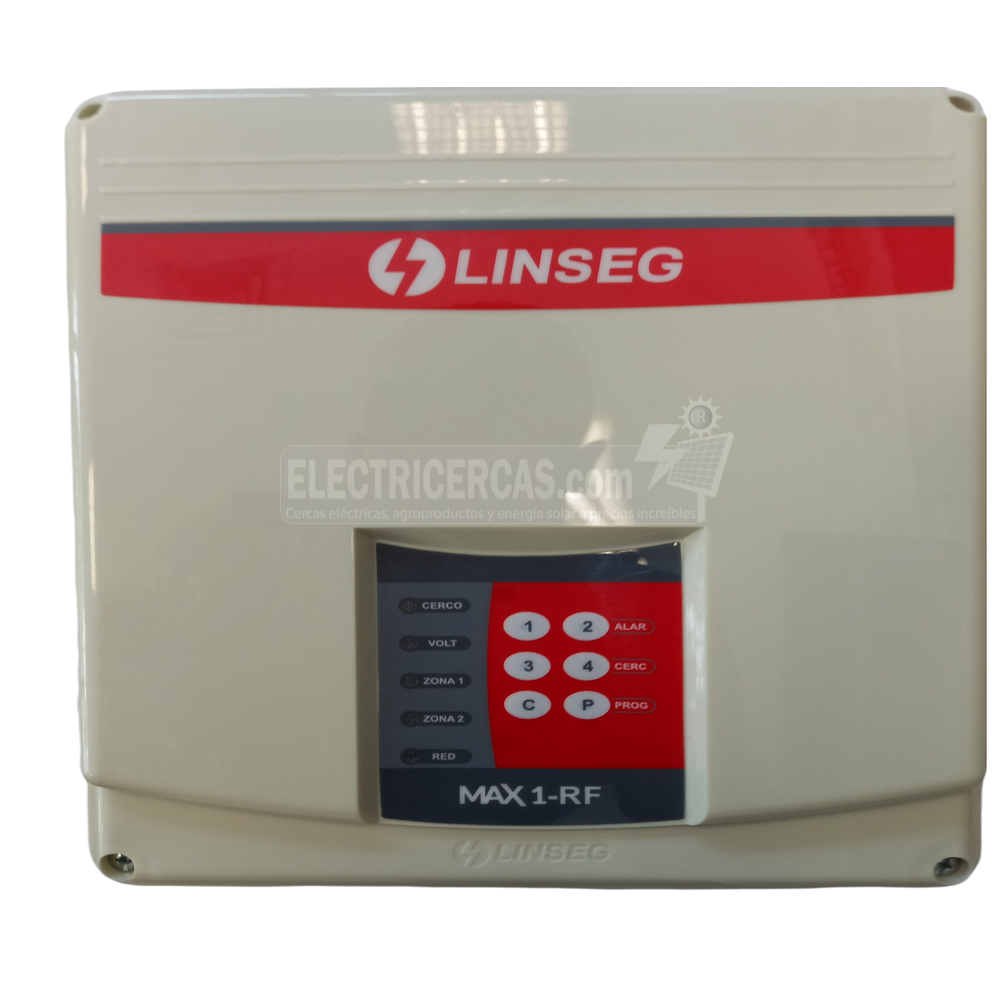
Impulsor perimetral Linseg para 1500 metros lineales con teclado y control remoto
1 Unidad(es)
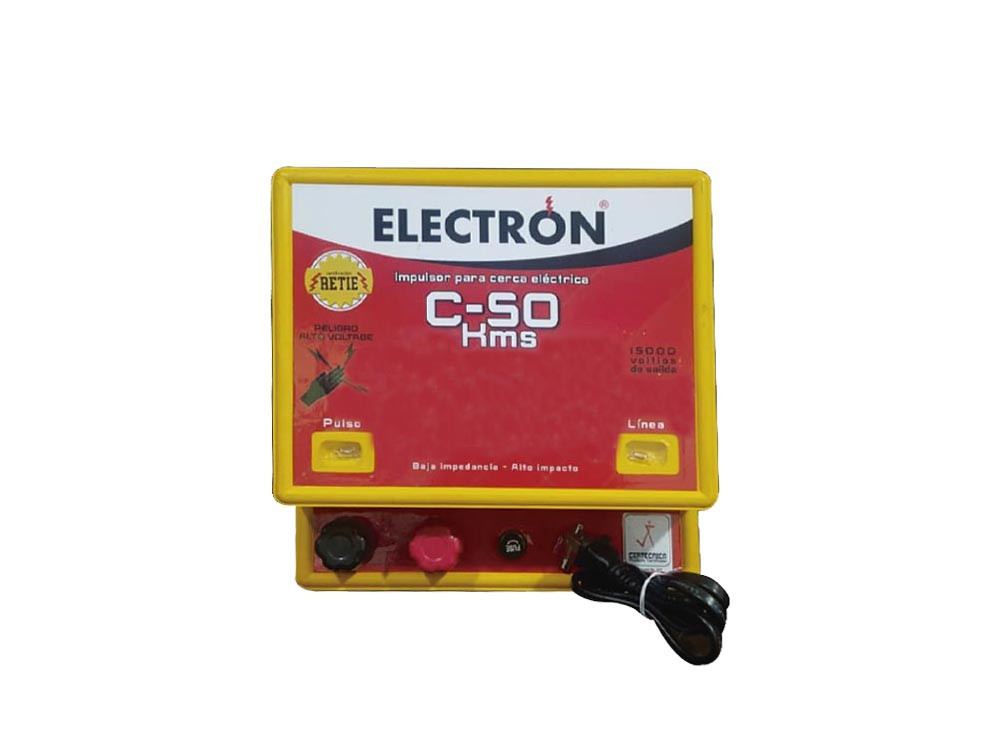
Impulsor C-50Km Marca Electrón
1 Unidad(es)