Electric Fence for Wildlife Control: Foxes, Dogs, Predators
Electricercas team · October 21, 2026 · 5 min read
Key takeaways
- Electric fencing deters without killing
- For foxes, the first wire goes 4-6 in off the ground
- Add an offset hot wire outside mesh for diggers
- Use hot/ground wires in dry soil
- Keep the fence on, especially at night
Losing hens to a fox, finding the coop torn up by stray dogs, or discovering a calf that's been attacked hits both your wallet and your peace of mind. The good news is that the same electric fence you use for livestock is also one of the most effective and humane tools for keeping wildlife and predators out. It doesn't kill or injure the animal: it delivers a shock the animal associates with that spot, and it learns not to come back. This guide covers how to design an electric fence for wildlife control against foxes, coyotes, dogs, raccoons, opossums and other predators, which heights and spacings to use, and how to stop animals that dig or climb.
Why electric fencing works on predators
Predators and wild animals explore with their noses. Before jumping, digging or climbing, they sniff the obstacle. If that first contact delivers a pulse, they back off and link the place with pain. Unlike woven wire, which a fox or dog can eventually dig under or climb, an electric fence works on behavior: the animal stops trying.
Advantages over other methods:
- Non-lethal: it's compatible with wildlife protection laws. Many predators, from wild cats to certain foxes, are protected in various countries, and harming them can bring penalties.
- Cost-effective: heavy-duty mesh around an entire coop or apiary costs more than a few hot wires.
- Flexible: you can upgrade an existing fence by adding offset hot wires outside or along the top.
- Quick to install: in a weekend you can protect a coop, a sheep pen or a vegetable garden.
Which animals you can control
| Animal | Behavior | Fence strategy |
|---|---|---|
| Fox | Digs and squeezes through low gaps | Low wires set very close to the ground |
| Coyotes and stray dogs | Jump, push, dig | Several wires from the ground up, plus a high wire |
| Opossum | Climbs mesh and posts | Hot wire along the top of the mesh |
| Raccoon | Climbs and manipulates | High wire plus a low offset wire outside the mesh |
| Wild cats (bobcat, cougar, ocelot) | Jump high, attack at night | Tall multi-wire fence plus night penning; consult wildlife authorities |
| Deer and other crop raiders | Jump or push through | Tall fence or a double fence with spacing |
For large cats and threatened species, the electric fence is one part of a broader plan: night penning, lighting and guidance from your state wildlife agency or local environmental authority. If attacks keep happening, get in touch with them.
Fence design by predator
Foxes, coyotes and dogs (coops and sheep pens)
The critical zone is down low: these animals test underneath before going over. A widely used layout is:
- First wire about 4 to 6 in (10 to 15 cm) off the ground.
- Second wire around 10 to 12 in (25 to 30 cm).
- Third wire around 18 to 20 in (45 to 50 cm).
- Additional wires every 8 to 12 in (20 to 30 cm) up to your target height (for example, 40 to 48 in, or 1 to 1.2 m, for dogs and coyotes).
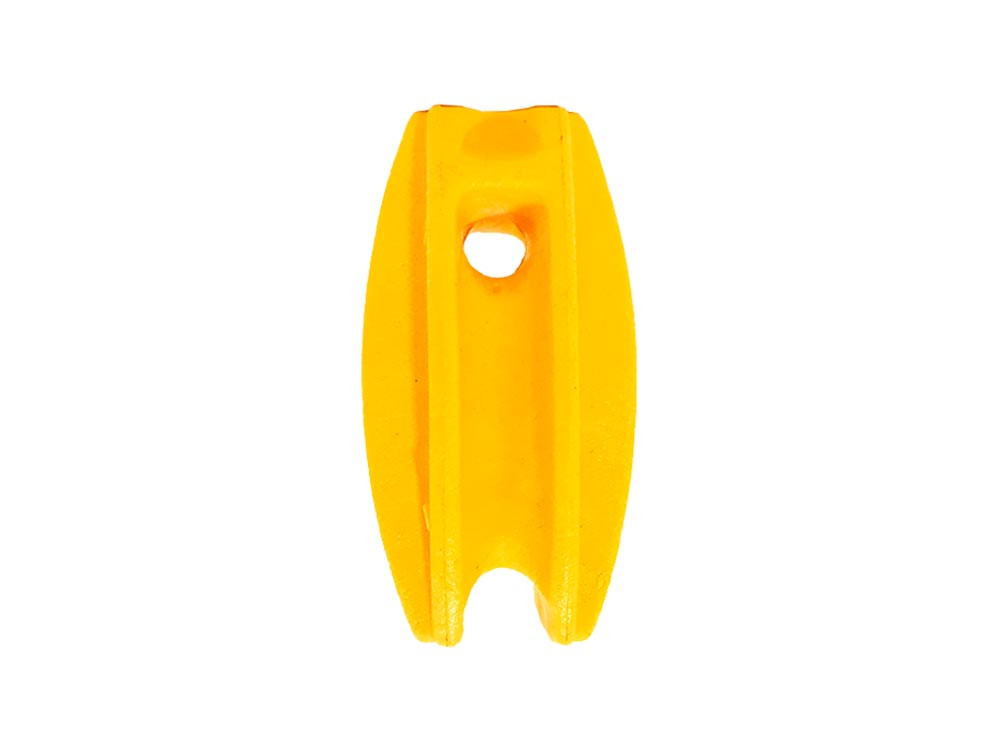
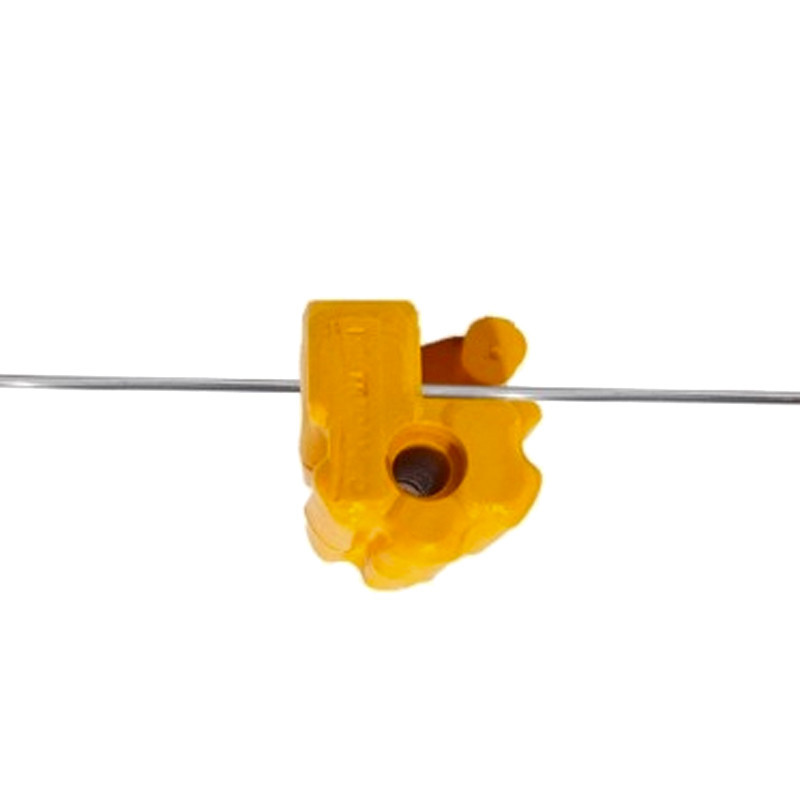
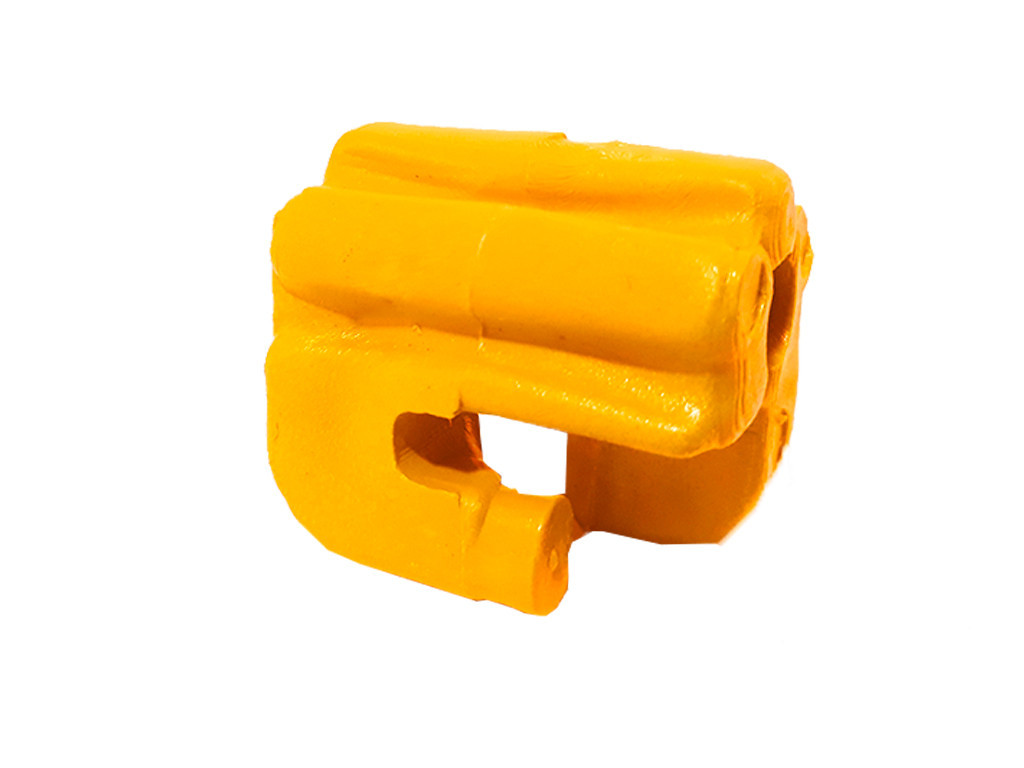
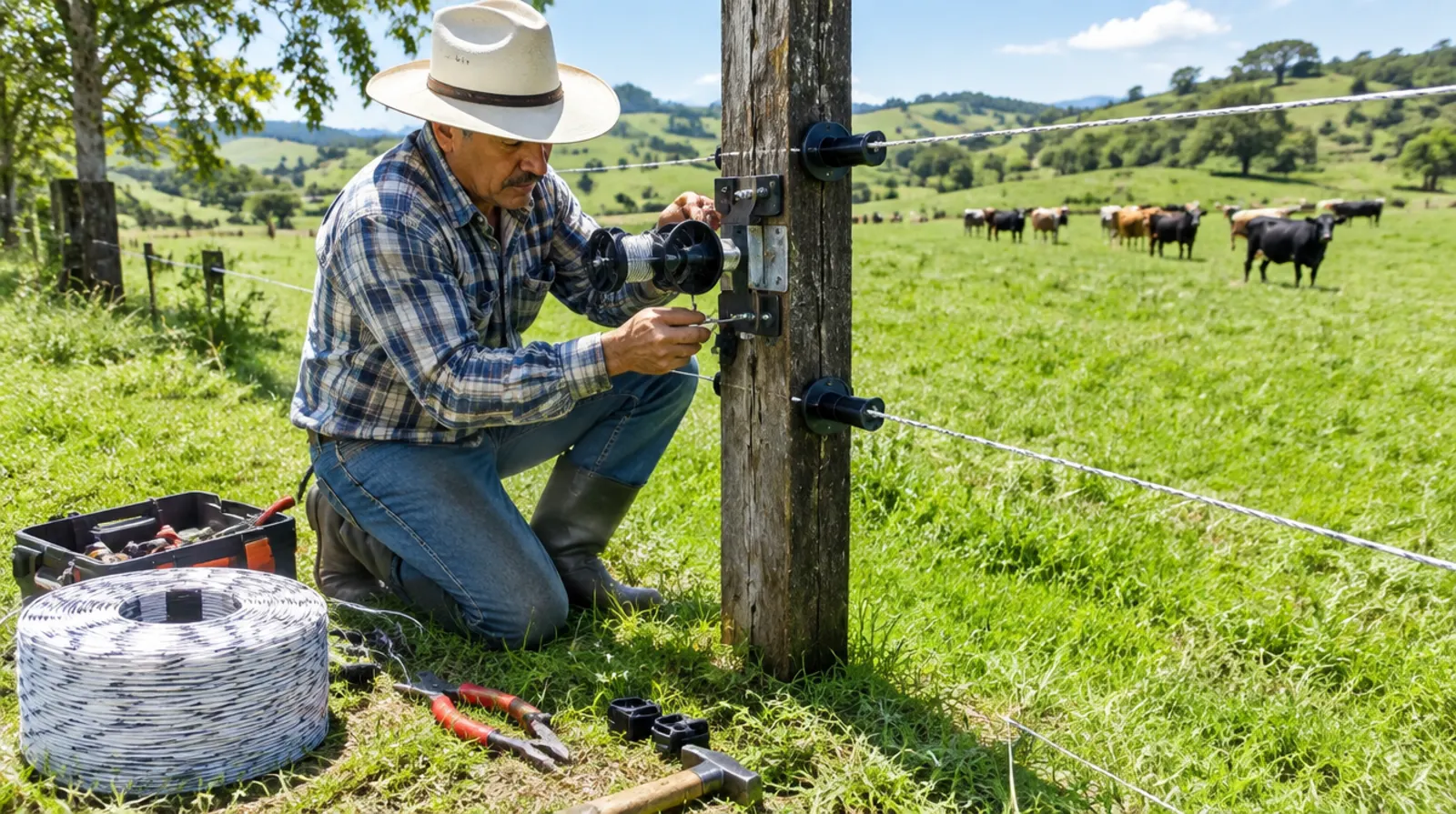
If you already have woven wire, add a hot wire outside the mesh, offset about 6 to 8 in (15 to 20 cm) from it and around 6 in (15 cm) high, using offset insulators. That way the animal hits the wire before it starts digging.
Climbers (opossums, raccoons)
Run a hot wire along the top of the mesh, offset 4 to 6 in (10 to 15 cm) outward on bracket insulators. When the animal reaches the top, it touches the wire and drops off. Add a low offset wire outside for the diggers.
Wild cats and larger predators
To protect calves, sheep or goats overnight, the most effective setup is a small night pen with a tall fence (5 ft / 1.5 m or more) and multiple hot wires, combined with lighting. A tall electrified fence is a bigger investment, so talk to us about the design before buying.
Technical keys to success
A predator fence has its own demands, because the wires sit close to the ground and the target animals have thick fur:
- High voltage: heavily furred predators need a strong shock. As a general guideline, aim for 5 kV or more at the far end.
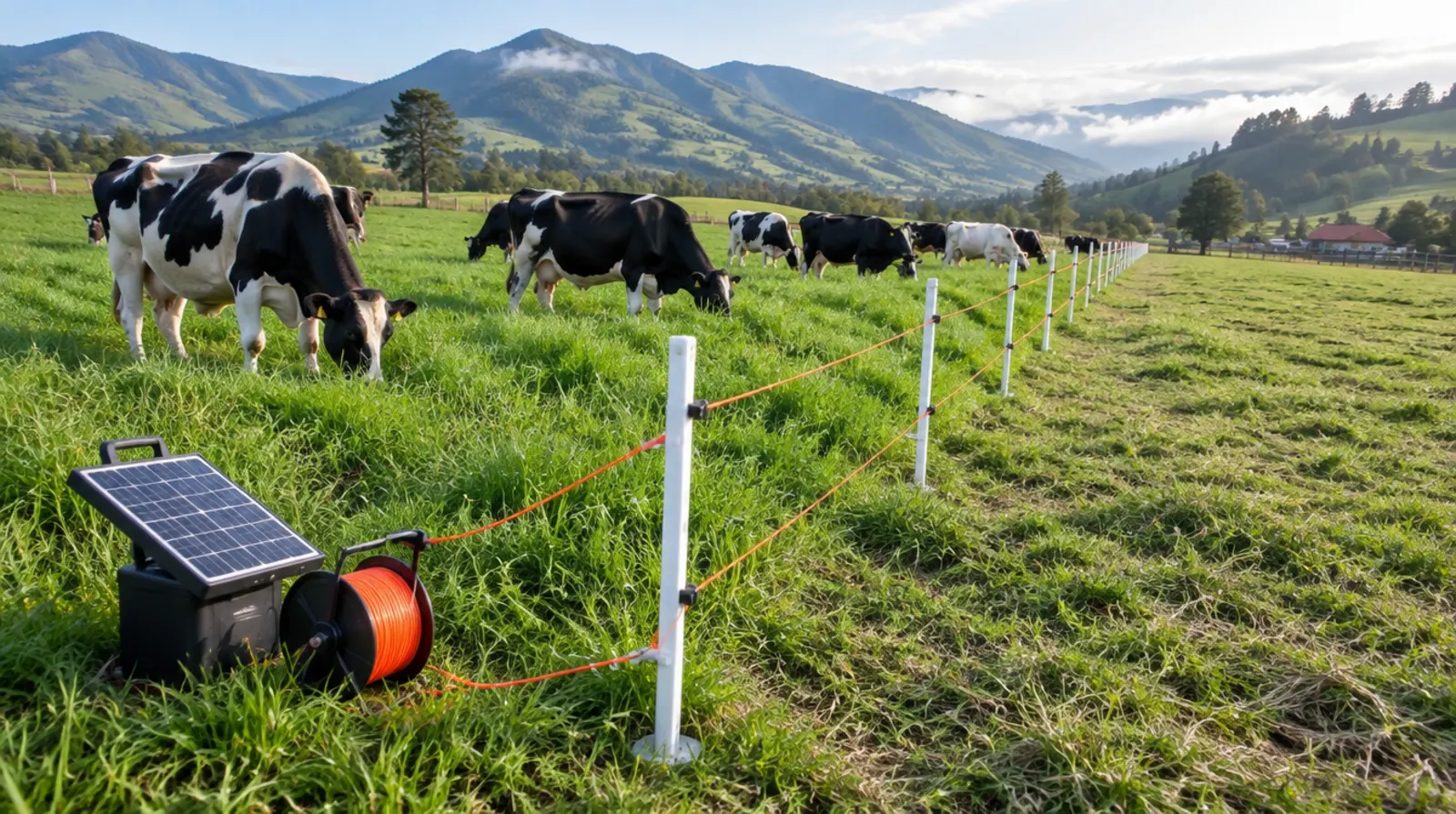
- An energizer with plenty of output: low wires touch weeds and load the fence. Pick an energizer with headroom; with no grid power on site, look at our solar energizers.
- Strict weed control: with a wire 4 inches off the ground, any grass is a leak. Keep the strip clean; we cover how in weed control under an electric fence.
- An excellent ground system: in dry or sandy soil, consider a hot/ground alternating wire setup so the animal completes the circuit even when the soil doesn't conduct well.
- Always on, especially at night: most attacks happen at dusk and before dawn.
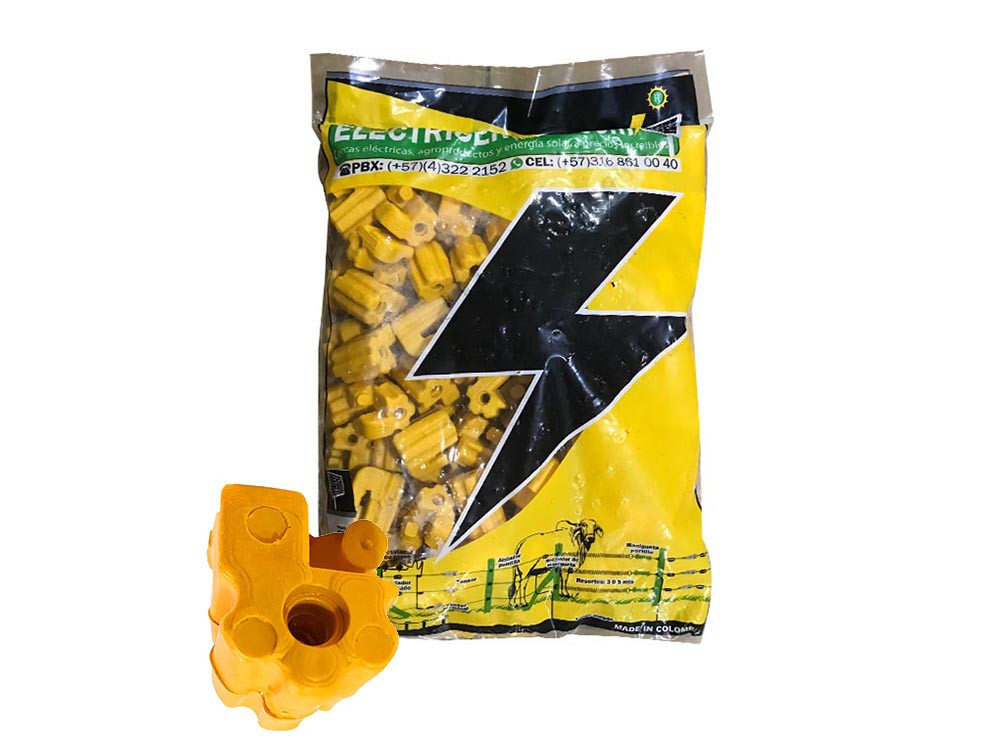
- Quality insulators: use the right ones at corners and gates. See our insulators and accessories.
Hot/ground alternating wires
In very dry soil, an animal can touch the wire and get a weak shock because its feet don't make a good ground connection. The fix is to alternate hot wires with wires connected to the ground system. When the animal touches two wires at once (one hot, one ground), it gets the full shock regardless of soil conditions.
Step by step: protecting a chicken coop
- Measure the perimeter of the coop and decide how many wires you need based on local predators.
- Clear and level a strip about 20 in (50 cm) wide around it so the bottom wire won't touch grass.
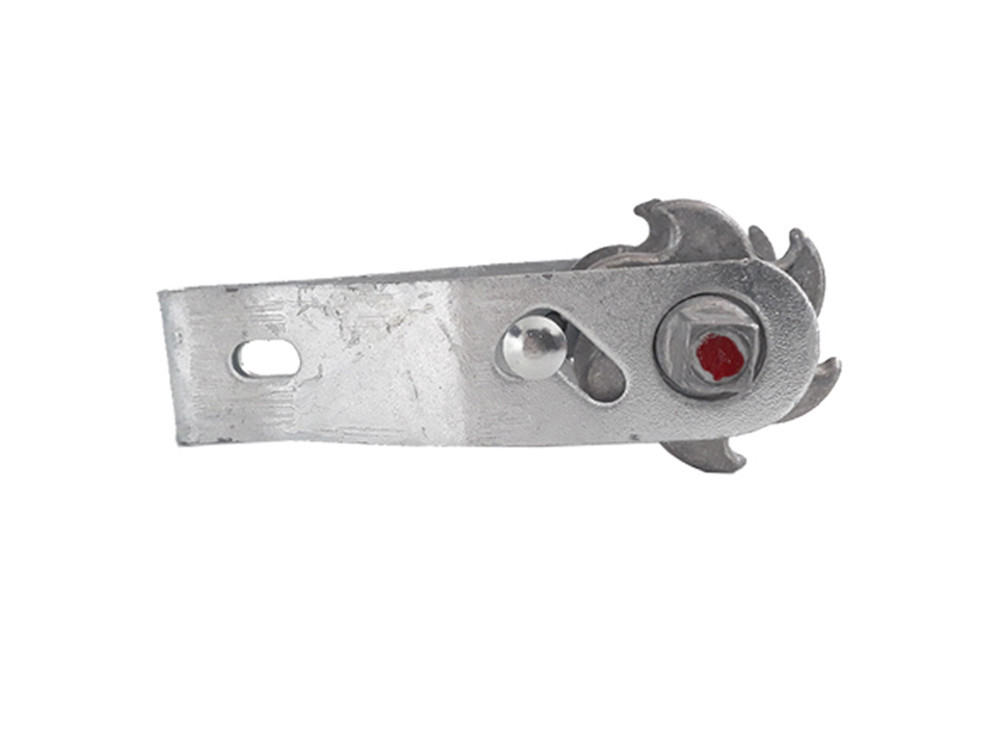
- Set posts every 10 to 13 ft (3 to 4 m), with solid corners and tensioners.
- Mount insulators at the planned heights, starting with the lowest wire.
- Run the wire or polyrope, snug but not overtight. Browse our fence wire.
- Install the ground system with enough rods, properly connected.
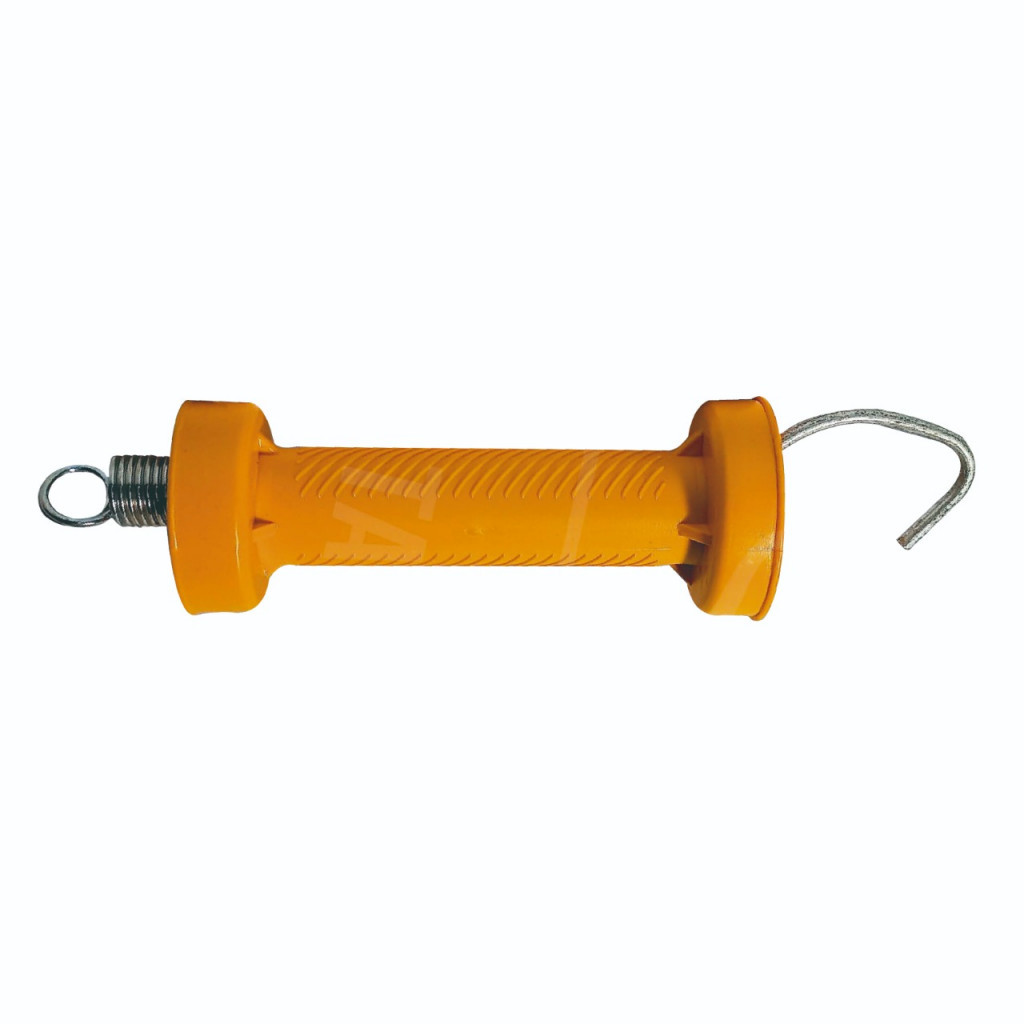
- Add a gate handle so you can get in without disconnecting the fence.
- Connect the energizer, test voltage at several points and fix leaks.
- Post warning signs if people or children walk nearby.
Common mistakes
- Setting the bottom wire too high: the fox slips underneath without touching it.
- Not running a hot wire outside the mesh: the animal digs next to the mesh without getting shocked.
- Turning the fence off in the daytime and forgetting to switch it back on: one night is all it takes.
- Overlooking neighborhood dogs: often the predator isn't wild at all.
- Electrifying barbed wire: it raises the risk of an animal, or a person, getting trapped.
Protect your animals with a custom fence
A well-designed electric fence protects your hens, sheep or crops without permanently harming wildlife. Electricercas can help you set heights, wire count and the right energizer for your situation. Use our fence calculator to estimate materials, check the installation guides, browse our electric fence line, or contact us on WhatsApp at +57 305 453 5264. We ship from Medellín, Colombia, nationwide and internationally. If home security is also on your mind, read our guide to perimeter security electric fences.
Frequently asked questions
How high should the first wire be to stop foxes?
As a general guideline, about 4 to 6 inches (10 to 15 cm) off the ground, since foxes test underneath. Add more wires every 6 to 10 inches above that. Keep the strip under the fence clean so the low wire doesn't lose voltage.
Does an electric fence harm wildlife?
A certified energizer delivers a brief, non-lethal shock that teaches animals to stay away, which makes it compatible with wildlife protection. Avoid electrified barbed wire, which can trap animals.
Can I electrify my existing mesh fence?
You don't electrify the mesh itself; you add offset hot wires on insulators: a low one outside for diggers and one along the top for climbers. It's an inexpensive way to upgrade the fence you already have.
Need help with your fence?
We ship worldwide. Message us and an advisor will help you choose the right setup.