Electric Fence vs. Barbed Wire: Cost, Welfare, and Lifespan
Electricercas team · October 12, 2026 · 5 min read
Key takeaways
- Barbed wire is physical; electric is psychological
- Electric needs 1-2 strands vs. 4-5 barbed
- Fewer injuries and better hides with electric
- Never electrify barbed wire
- Hybrid: offset hot wire inside the barbed fence
Barbed wire has fenced pastures for generations, and it still has its place. But more and more ranchers are asking whether it's worth building four- or five-strand barbed wire fences when a well-designed electric fence holds cattle as well or better with far less material. The answer isn't black and white: each system has clear advantages depending on the job, the terrain, and the livestock. This article compares electric fence vs. barbed wire on what really matters on a farm: installation cost, maintenance, animal welfare, hide quality, lifespan, and flexibility for managing paddocks.
How each one works
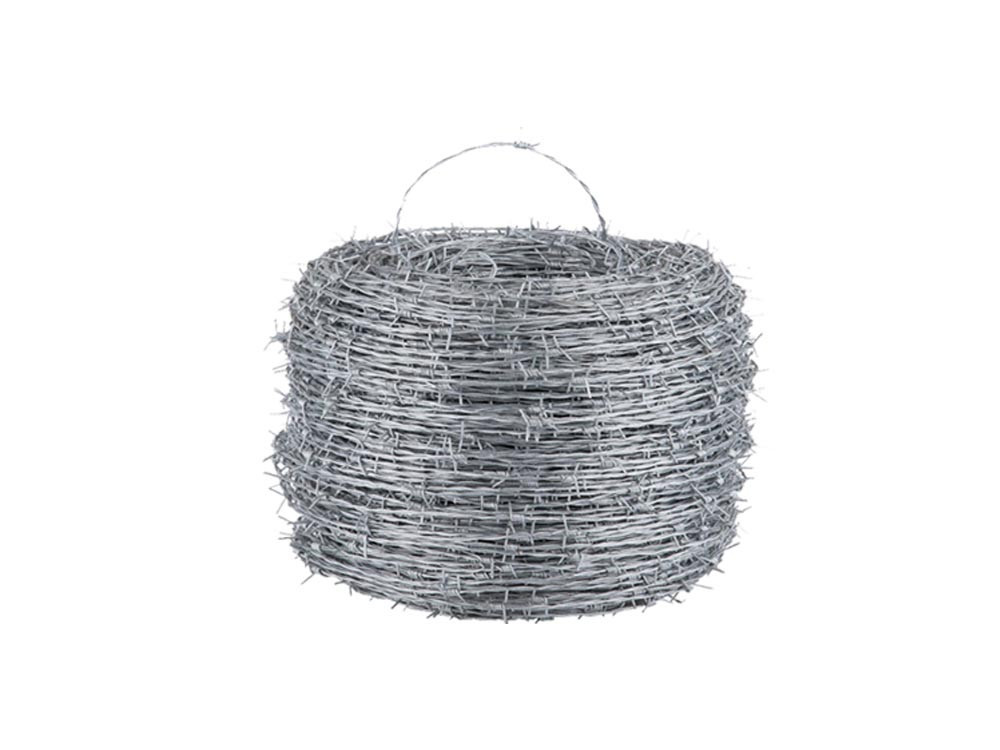
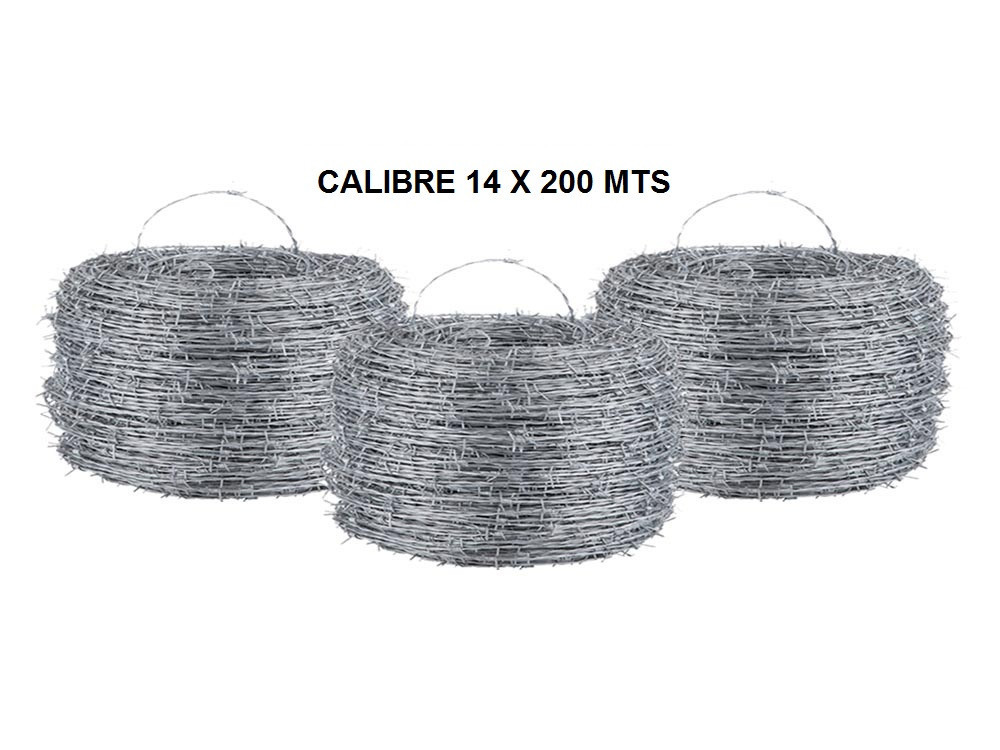
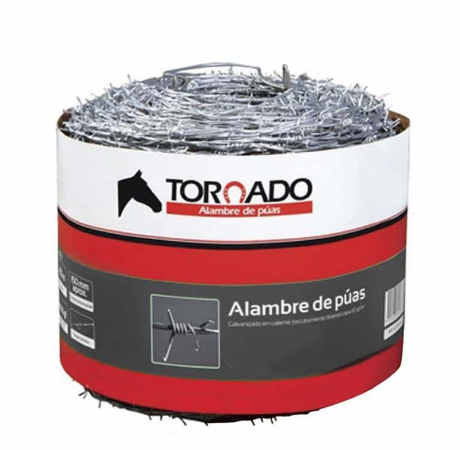
Barbed wire is a physical barrier. It contains animals because they get pricked when they push on it. To work, it needs several tight strands and closely spaced posts, since cattle can lean on it, push their heads between wires, or break strands with their weight.
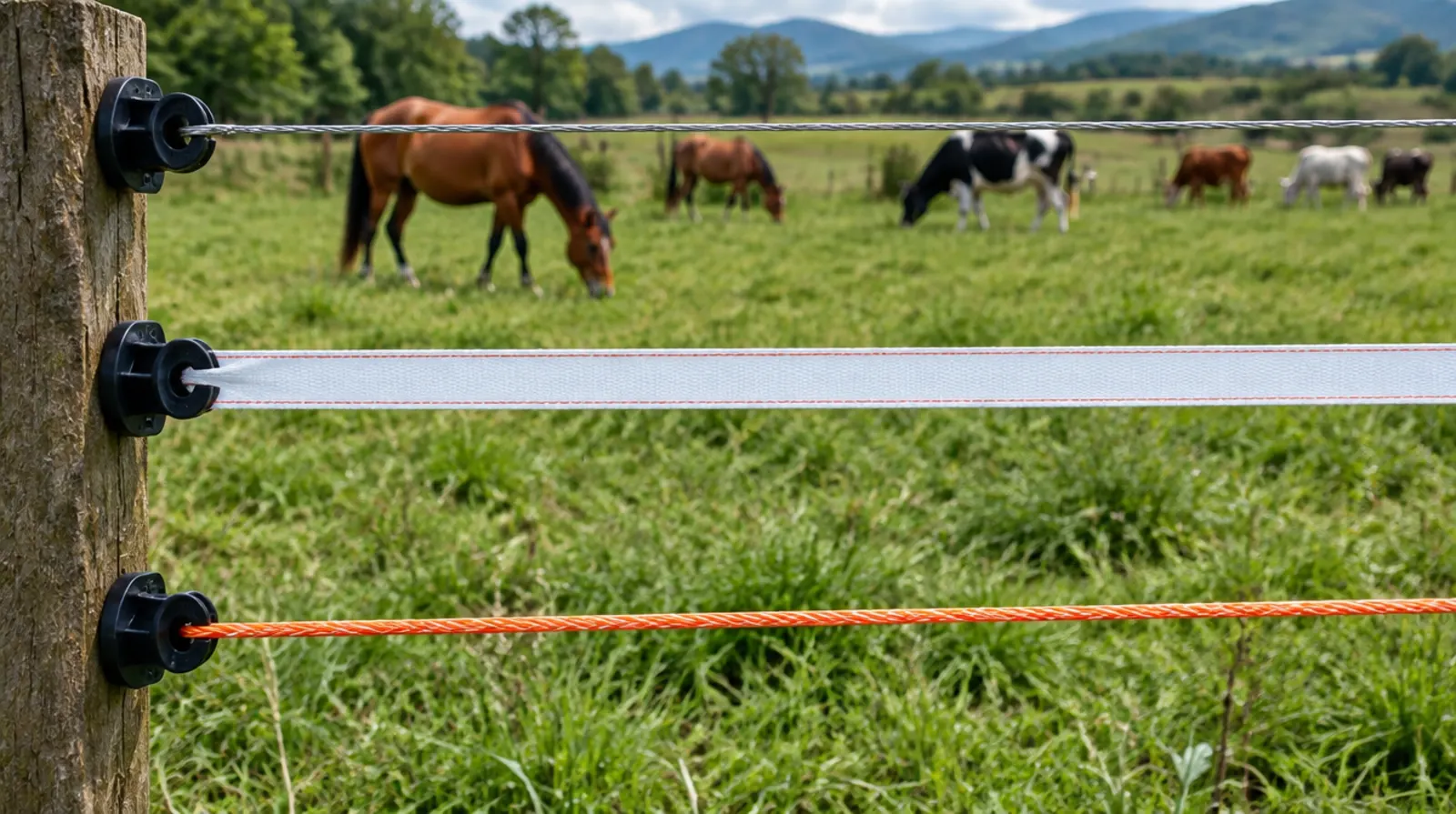
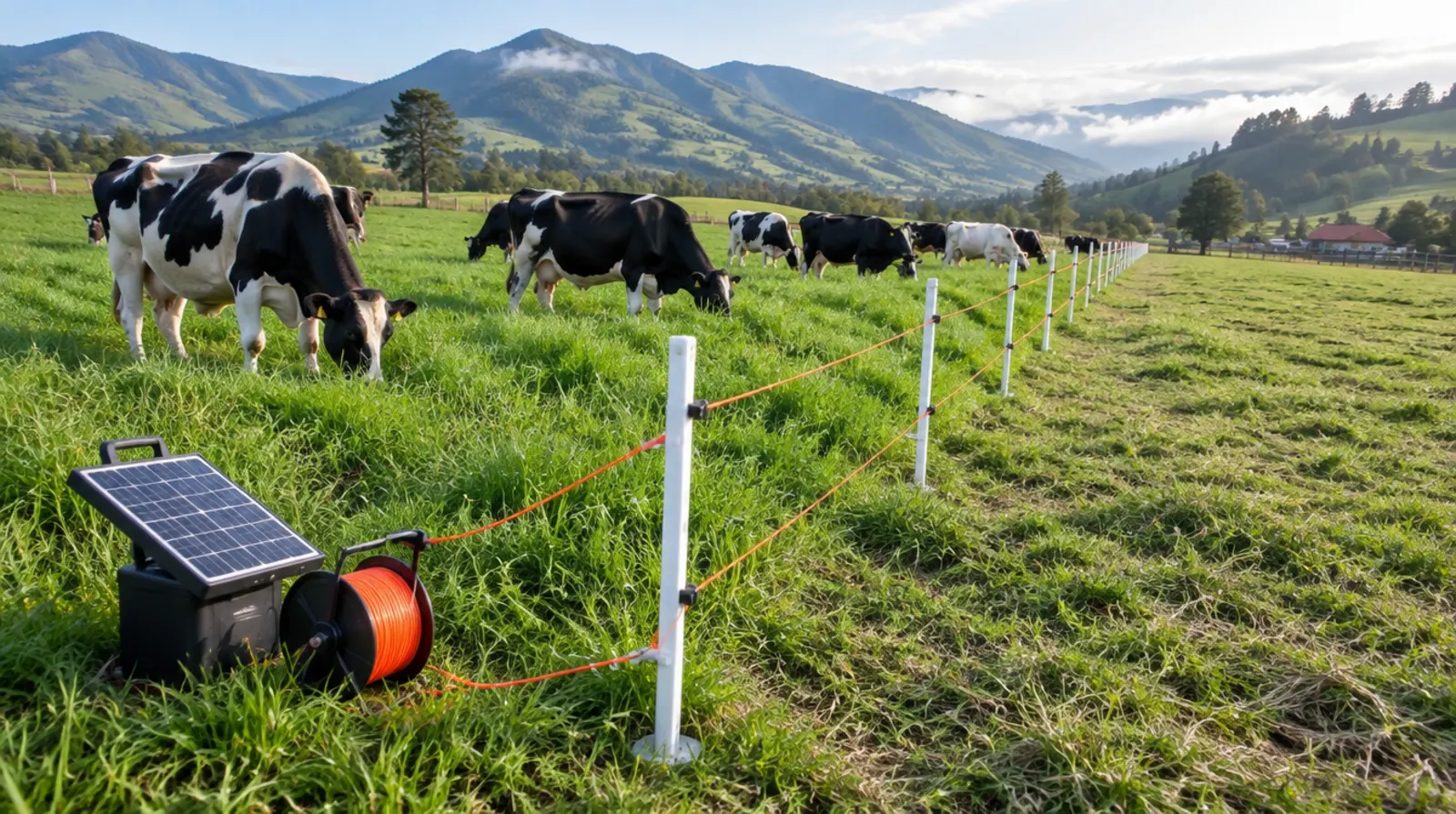
An electric fence is a psychological barrier. The energizer sends short, high-voltage pulses; when an animal touches the wire it gets an unpleasant but safe shock and learns to respect the line. Because it doesn't need to withstand pushing, it uses fewer strands, wider post spacing, and lighter materials.
Head-to-head comparison
| Criterion | Barbed wire | Electric fence |
|---|---|---|
| Typical strands for cattle | 4 to 5 | 1 to 2 (3 with calves) |
| Post spacing | Close, often 6 to 10 ft | Wide, 40 to 65 ft on flat ground |
| Material per foot | High | Low |
| Needs power | No | Yes (grid, battery, or solar) |
| Animal injuries | Common: cuts, udder and hide wounds | Very rare when properly installed |
| Hide damage | Yes, lowers hide value | Practically none |
| Maintenance | Re-tension, replace rotten posts | Check voltage, vegetation, insulators |
| Flexibility (moving paddocks) | Very low | High, including portable fencing |
| Risk to people and wildlife | Cuts and entanglement | Unpleasant shock; needs warning signs |
Installation cost
Electric fence savings come from three places: fewer strands, fewer posts, and lighter posts. Where barbed wire needs five strands and a post every few feet, an electric fence can run one or two strands on line posts about 50 ft (15 m) apart. Those savings in materials and labor usually offset the energizer and grounding, especially on long perimeters. On very short runs, the energizer is a bigger share of the total. To estimate it with your own numbers, read electric fence cost per hectare or go straight to the fence calculator.
Maintenance
Barbed wire doesn't need power, but it isn't set-and-forget either: posts rot, wire sags, and cattle leaning on it eventually knock sections down. An electric fence requires checking voltage, keeping weeds off the wires, and replacing the odd broken insulator. These are quick jobs with a routine; we cover it in our electric fence maintenance guide.
Lifespan
Lifespan depends more on material quality and installation than on the system. Good-gauge galvanized wire lasts for years either way. The difference is wear: with barbed wire, cattle constantly press on strands and posts; with an electric fence, animals avoid contact, so the structure takes much less abuse.
One more practical point: when an electric fence fails, it usually fails quietly, with a dead battery, a shorted insulator, or grass loading the wire. When a barbed wire fence fails, you usually find out because cattle are in the neighbor's corn. Neither is maintenance-free, but an electric fence gives you a simple number to check every week: the voltage at the far end of the line.
Animal welfare and hide quality
This may be the strongest argument for electric fencing. Barbs cause wounds on skin, udders, and legs that can get infected or attract flies and screwworm. Scars also lower hide value at slaughter. A properly sized energizer delivers a brief shock that leaves no injury, and cattle quickly learn not to touch the fence. For good livestock practice programs and anyone selling into demanding markets, fewer injuries is a real plus. Horse owners in particular know how badly horses can get cut on barbed wire.
That said, electric fences must be built with certified equipment and good practices. Never electrify barbed wire: an animal or person tangled in electrified barbs can't break free, and that is genuinely dangerous.
When each one makes sense
Choose barbed wire when…
- You need a permanent boundary along neighbors, roads, or public paths and don't want to depend on power.
- The run is short and doesn't justify an energizer.
- You want an added physical barrier against people.
Choose an electric fence when…
- You're splitting pastures for rotational grazing.
- You manage long perimeters and want to save material.
- Animal welfare and hide quality matter to you.
- You want to move or expand paddocks without rebuilding.
- You keep horses, which are often injured on barbed wire.
The hybrid option
Many farms combine both: they keep the existing barbed wire on the boundary and add an offset electric wire on standoff insulators along the inside. Cattle stop leaning on the barbed wire, the old fence lasts longer, and internal divisions go fully electric. It's an affordable way to start.
How to convert barbed wire to electric
- Inspect the existing posts and replace any that are rotten.
- Decide whether to replace the barbed wire or add an inside hot wire.
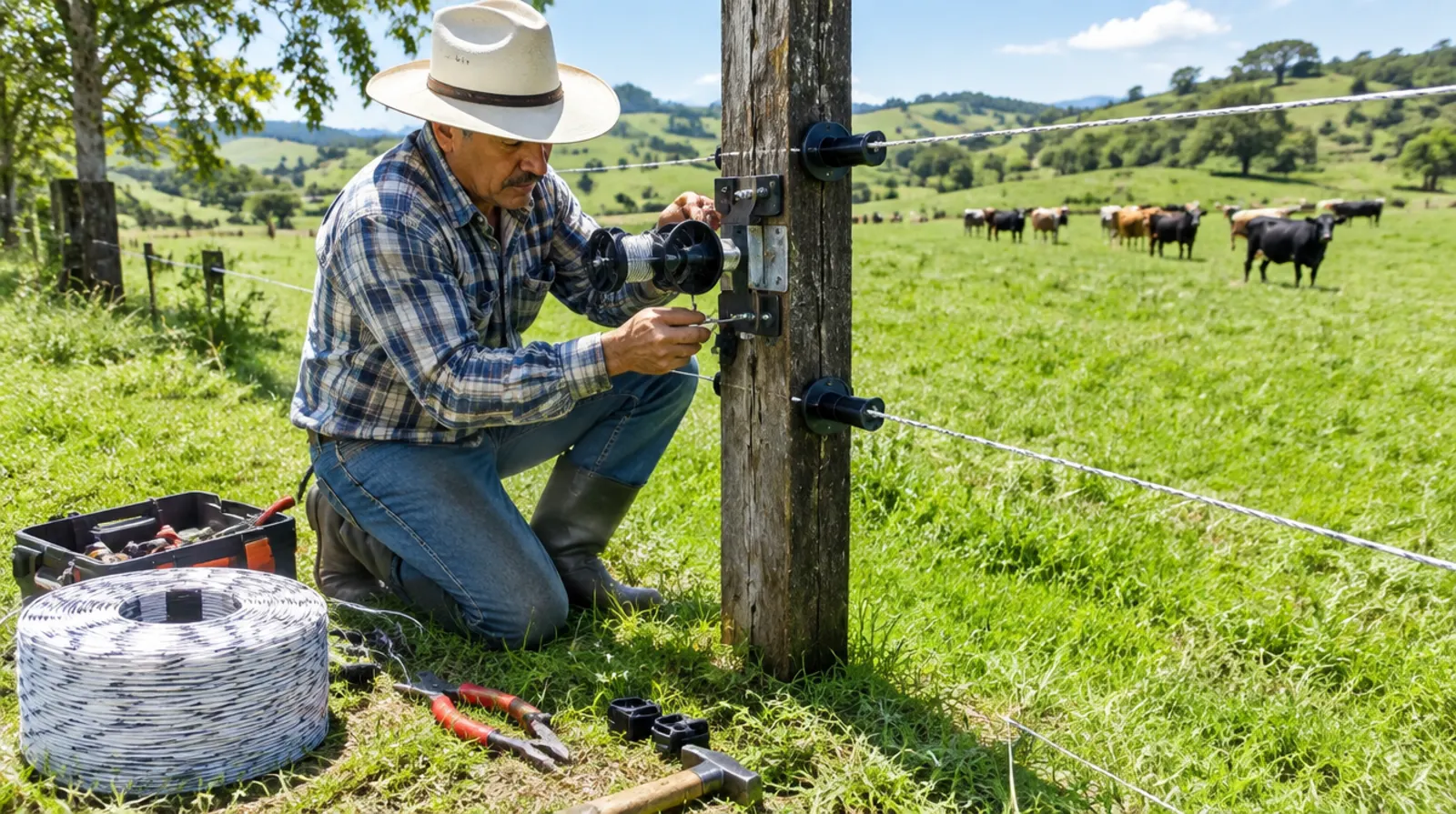
- Install offset insulators so the hot wire sits about 8 to 12 in (20 to 30 cm) from the barbed wire without touching it.
- Run smooth galvanized wire or polytape and tension it from the corners.
- Install the energizer and a solid ground system with several rods.
- Connect, measure voltage at the far end, and fix any leaks.
- Put warning signs along roads and boundaries.
- Build internal divisions as electric-only.
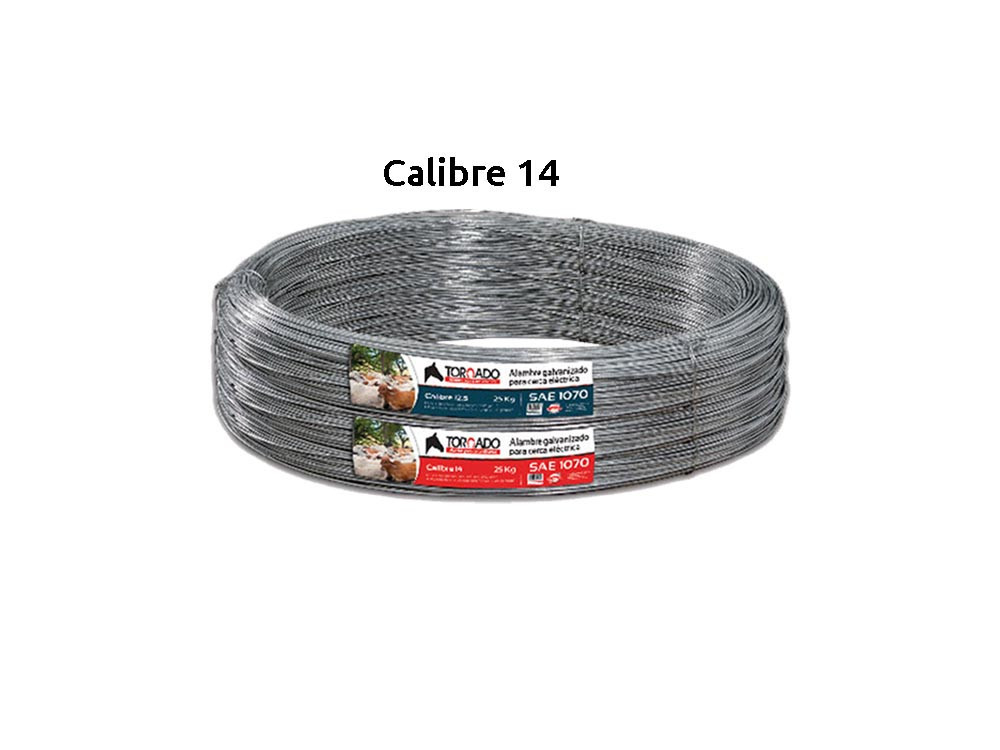
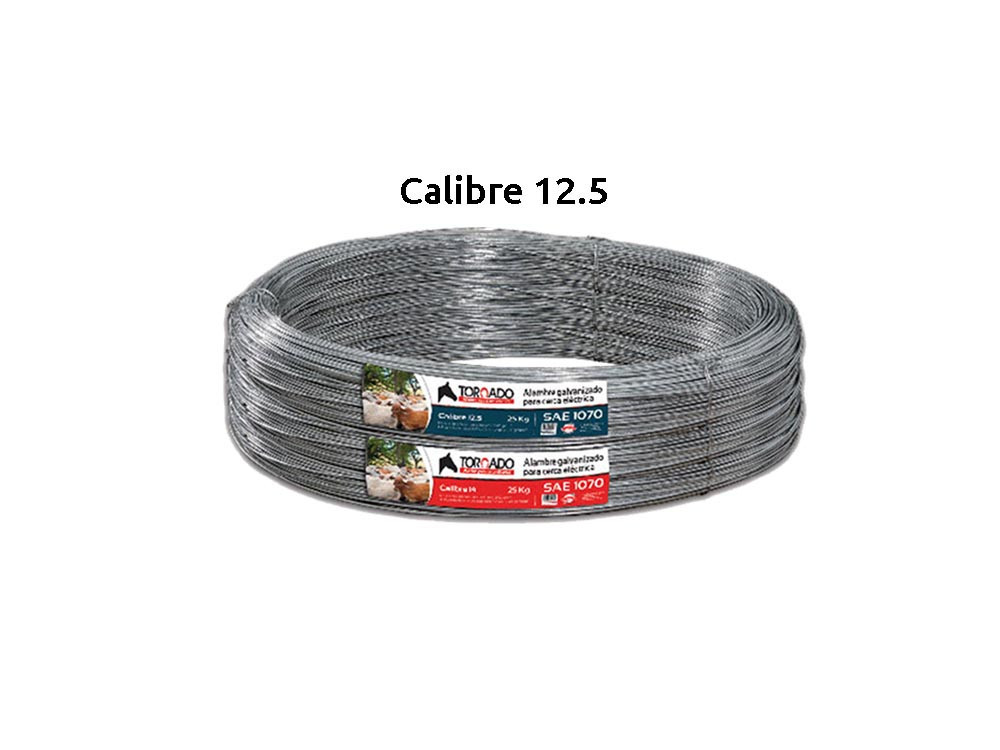
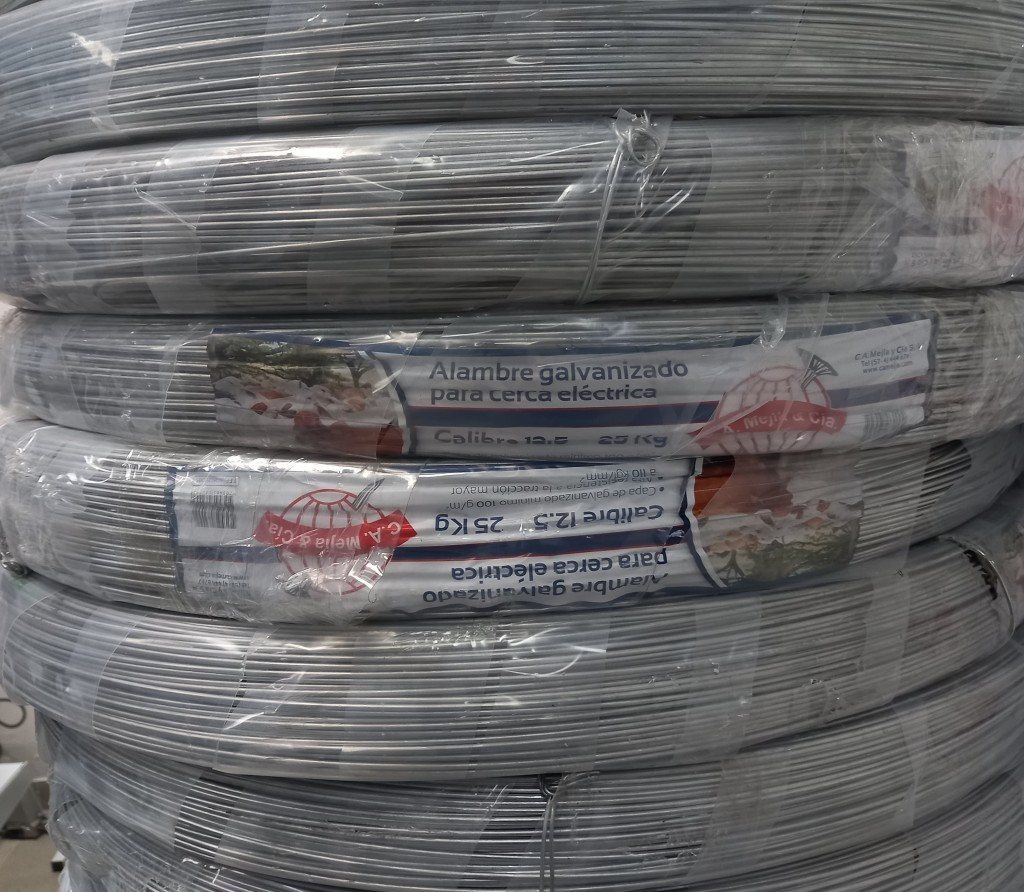
Find smooth wire, barbed wire, and tape in fence and barbed wire, units in energizers, and offset insulators in electric fence insulators. For the full process, see our installation manuals.
Safety and regulations
An electric fence must use an energizer designed for the purpose, delivering short pulses, and must never be wired straight to mains power. Post visible warning signs wherever people pass. Electrical installations are regulated in every country (in Colombia, by the RETIE technical regulation; in the U.S., state and local rules and manufacturer standards apply). Requirements change, so check the current rules or consult a professional if your fence borders public roads or homes.
Build your fence with Electricercas
Since 2014 we've helped ranchers across Colombia move from barbed wire to electric fencing, with more than 11,000 orders delivered and international shipping available. Estimate your materials in the calculator or contact us on WhatsApp at +57 305 453 5264, and we'll help you decide whether to replace, combine, or start fresh.
Frequently asked questions
Is an electric fence cheaper than barbed wire?
On medium and long perimeters it usually is, because it needs fewer strands and posts. On very short runs the energizer is a larger share of the cost, so run your own numbers in the calculator.
Can you electrify barbed wire?
It isn't recommended. An animal or person tangled in electrified barbs can't get free. The safe approach is to add a smooth hot wire on offset insulators, kept clear of the barbed wire.
Does an electric fence hurt cattle?
With a proper energizer and installation, the shock is brief and unpleasant but leaves no injury. Cattle learn fast to respect the fence, unlike barbed wire, which causes cuts and damages hides.
What happens to an electric fence during a power outage?
Trained animals often respect the fence for a while, but don't count on it. If your power is unreliable, consider a battery or solar energizer as a backup.
Need help with your fence?
We ship worldwide. Message us and an advisor will help you choose the right setup.