Electric Fence for Cattle: Design, Voltage and Management
Electricercas team · October 8, 2026 · 6 min read
Key takeaways
- Design by purpose: internal divider or boundary
- Hold 3,000–4,000 V at the far end
- Size the energizer by total wire length
- Poor grounding means a weak shock
- Train cattle in a small pen first
Electric fencing changed how cattle are managed: it lets you subdivide pastures at low cost, rotate grass more effectively and secure boundaries without miles of barbed wire. But an electric fence for cattle only works when it is designed right from the start: the right number of wires, an energizer that holds voltage along the whole line, solid grounding and cattle that have been trained to respect it. This guide walks you through designing a fence for dairy, beef and dual-purpose herds, the voltage you need and how to manage it day to day so it does not become a headache.
How cattle respond to an electric fence
Cattle learn fast. A cow that gets one or two shocks on the nose stops approaching the wire and, over time, will respect a fence even when it has been off for days. That cuts both ways:
- The upside: you can hold very large animals with very little material.
- The downside: if the fence fails often, cattle learn that just as quickly and start pushing through.
So the goal is not simply "a wire with power in it." The goal is a consistent, sufficient shock along the entire run. Cattle hide is thick and their coat insulates somewhat, especially long-haired breeds or animals caked in dry mud, so the line must deliver good voltage at its farthest point.
Fence design by purpose
An internal paddock divider is not the same as a boundary along a highway. Design by fence type:
| Fence type | Wires | Reference heights | Notes |
|---|---|---|---|
| Internal divider, trained adult cows | 1 | 30–34 in (75–85 cm) | Ideal for rotational and strip grazing |
| Divider with calves | 2 | 18–20 in and 34–36 in (45–50, 85–90 cm) | Low wire stops young stock |
| Boundary with neighbors | 2 to 3 | 18, 30 and 40 in (45, 75, 100 cm) | Can be offset from an existing fence |
| Boundary along a road or river | 3 | 18, 30 and 42 in (45, 75, 105 cm) | Escapes here are costly: build stronger |
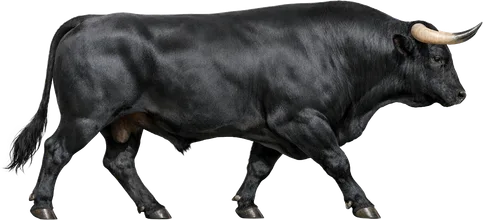
| Bull pen or holding area | 3 to 4 | 20, 32, 44 and 52 in (50–130 cm) | More height and high voltage |
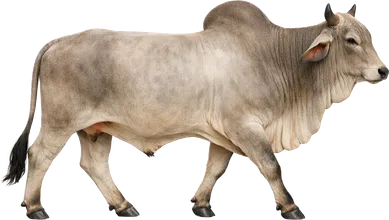
These are reference numbers. Adjust for breed: tall Brahman or Zebu cattle may need the top wire a little higher than smaller breeds. If you want the full species chart, see how many wires and what height by animal.
Post spacing
On an electric fence, posts do not hold up a wall; they just keep the wire at the right height. That means you can space them much farther apart than on a barbed wire fence:
- On flat ground with well-tensioned wire: 33–65 feet (10–20 m) between posts.
- On rolling ground: closer, following the rises and dips so the wire neither rides too high nor touches the ground.
- On curves and corners: strong, well-braced posts with corner insulators.
Many ranchers combine wooden posts at corners and long runs with plastic or fiberglass step-in posts in between to save money.
Voltage and energy: the heart of the system
For cattle, a widely used benchmark is to maintain at least 3,000 to 4,000 volts at the farthest point of the fence. Modern energizers deliver short, high-voltage pulses of very brief duration, designed to be unpleasant but not harmful.
More than the voltage at the energizer terminal, what matters is the energy of the pulse, measured in joules. An energizer with more joules holds voltage better when weeds touch the wire or when the fence is long.
Choosing an energizer
- Add up the total length of electrified wire (not fence). Two wires over 3 km (about 1.9 miles) is 6 km of conductor.
- Estimate weed load: clean pastures need less energy than fences running through brush.
- Choose your power source: grid power, battery or solar panel.
- Pick an energizer with comfortable headroom over your estimate, because fences always grow.
- Make sure it has a status indicator and lightning protection.
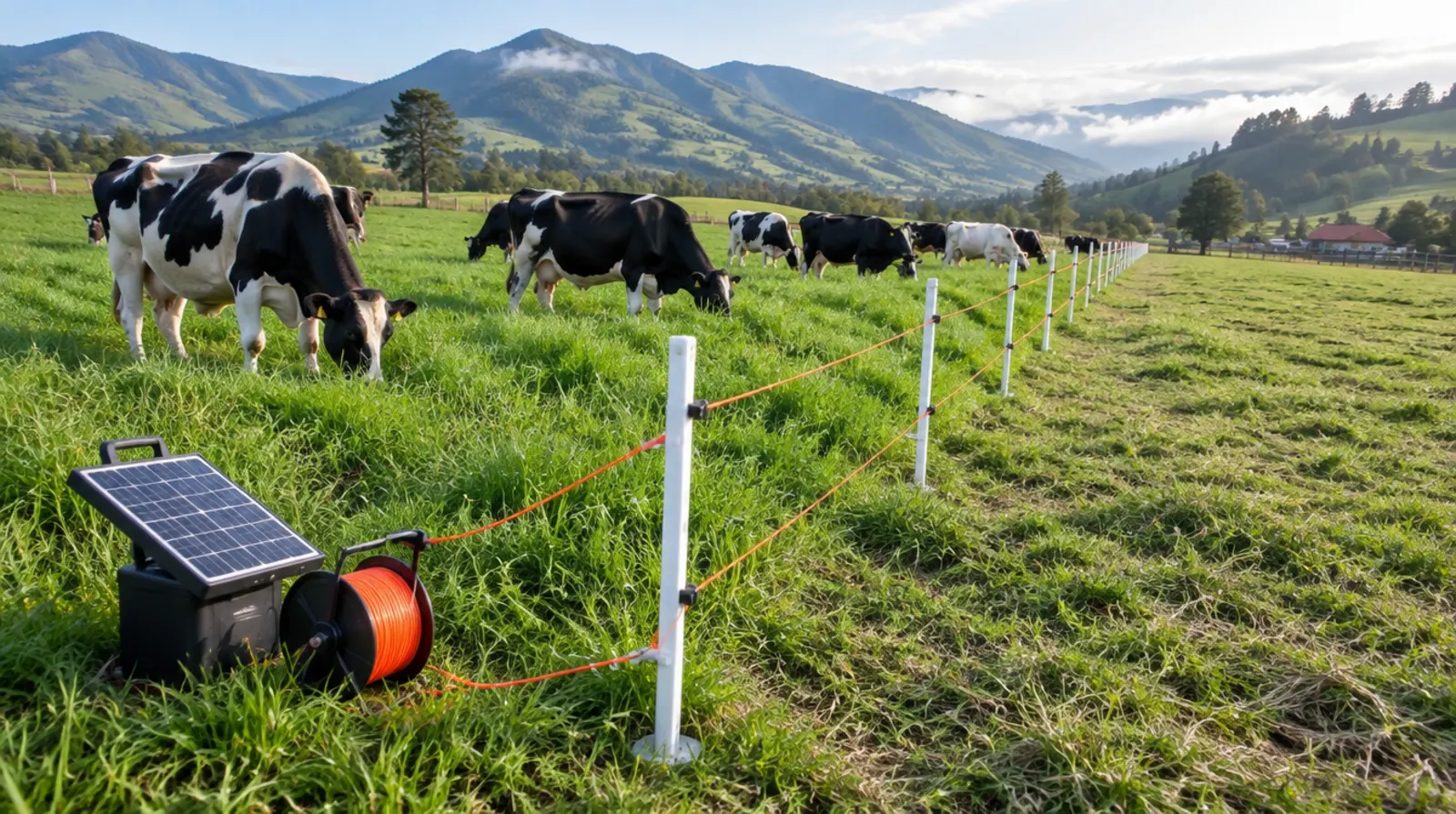
Browse electric fence energizers. If you are off-grid or the fence is far from buildings, a solar energizer saves running power across the property.
Grounding
Half of the circuit is the soil. When a cow touches the wire, current passes through her body, into the ground and back to the energizer through the ground rods. Poor grounding means a weak shock no matter how powerful the energizer is.
- Use galvanized or copper ground rods at least 3–6 feet (1–2 m) long.
- Install several rods about 6–10 feet (2–3 m) apart, linked with a single continuous wire.
- Place them in moist ground, away from water pipes and the building's electrical ground.
- Add more rods in dry seasons or dry soils.
Materials for a cattle fence
- Conductor: galvanized steel or aluminum wire for long, permanent runs; polytape or polyrope for portable dividers. See fence and barbed wire.
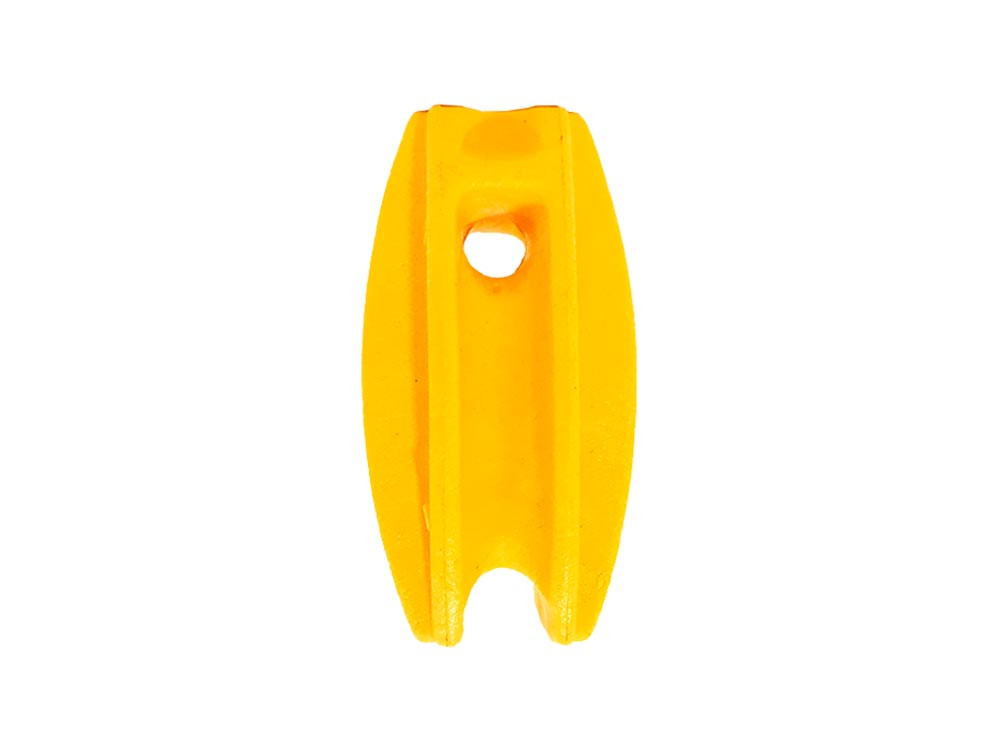
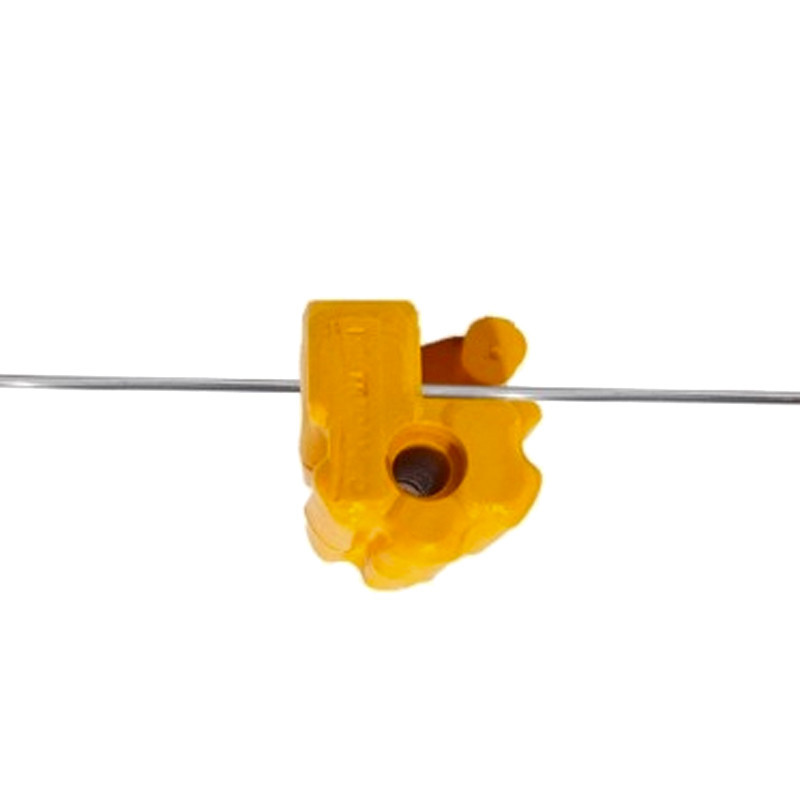
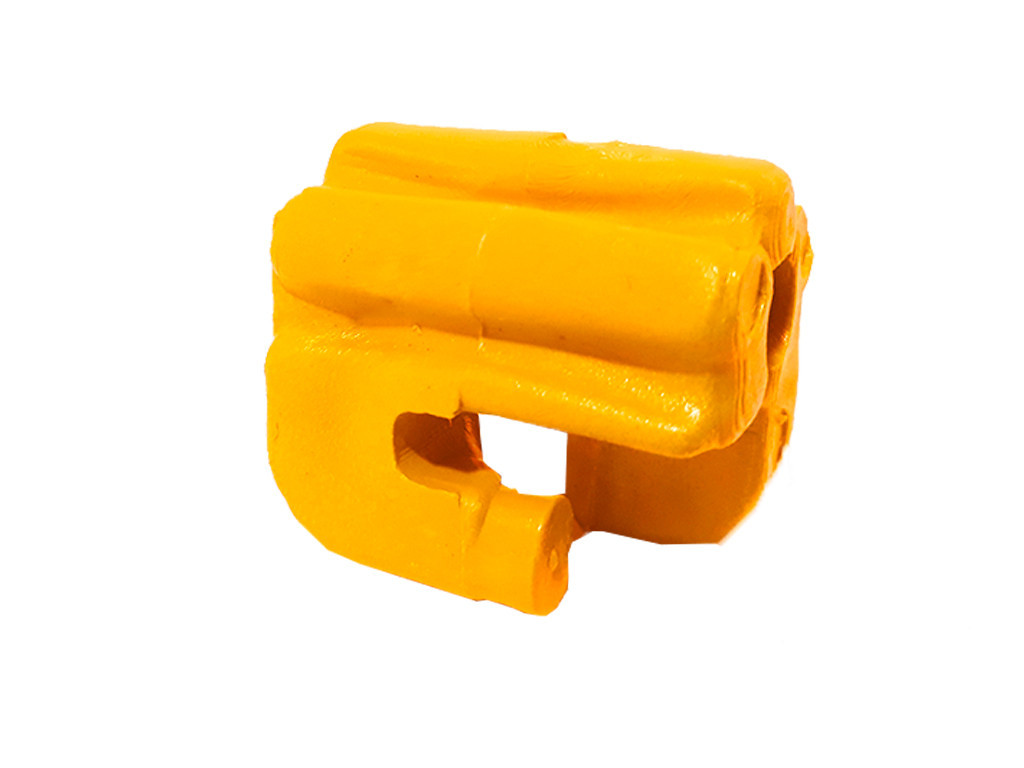
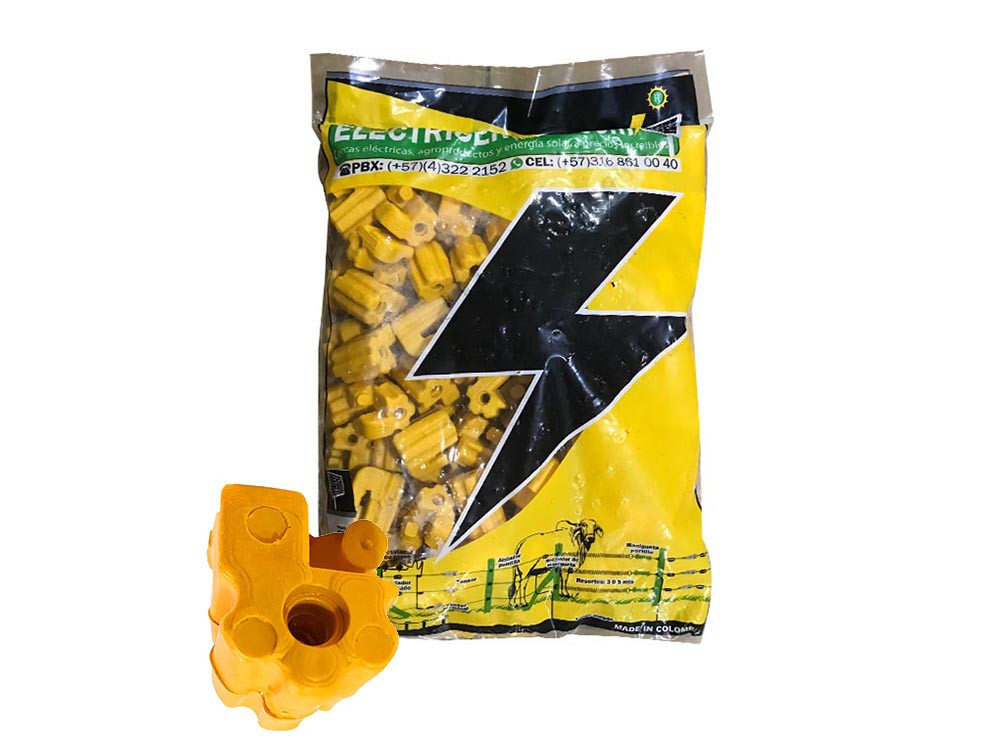
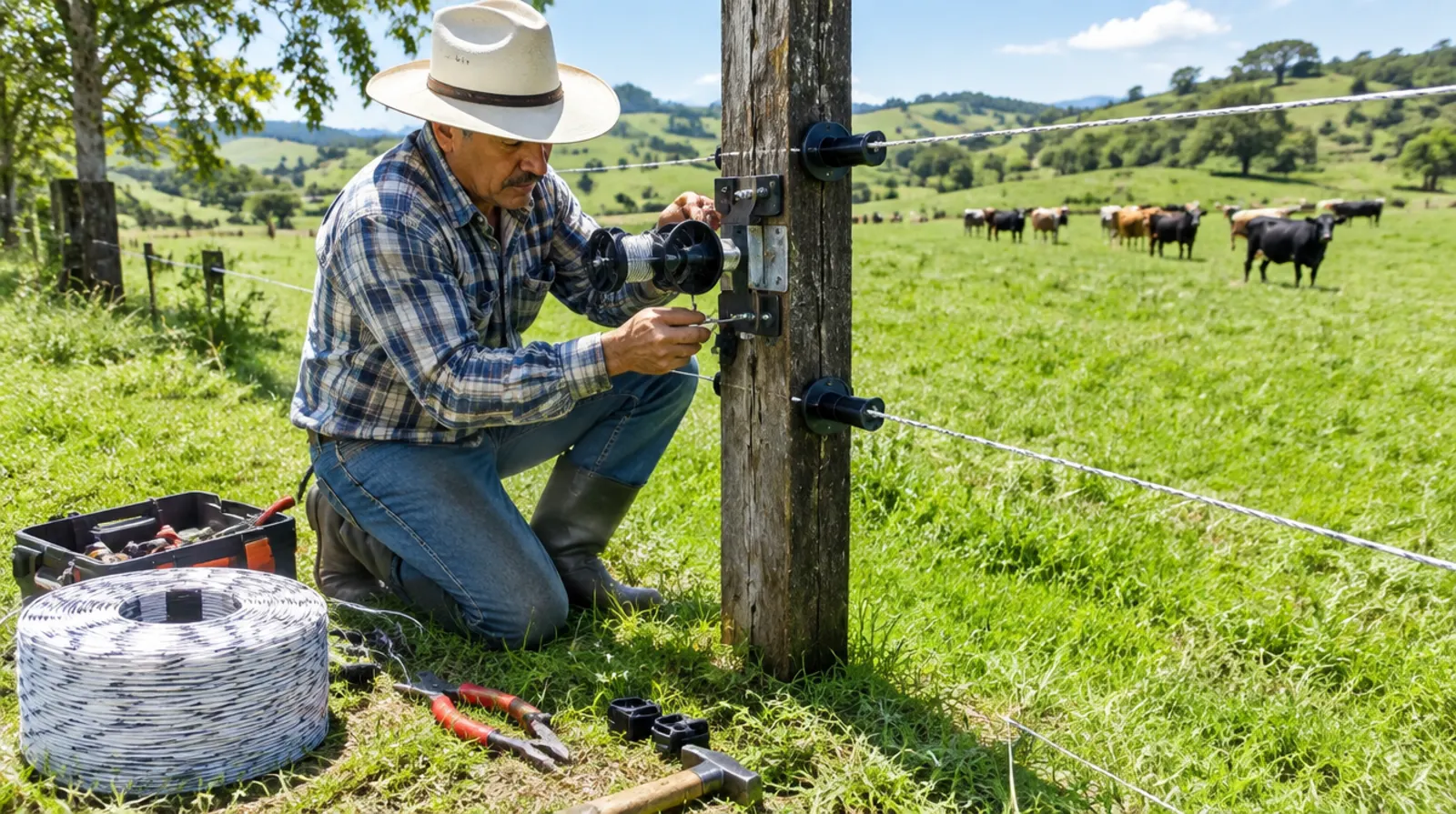
- Insulators: line insulators for intermediate posts and corner or strain insulators for ends. Find them in electric fence insulators.
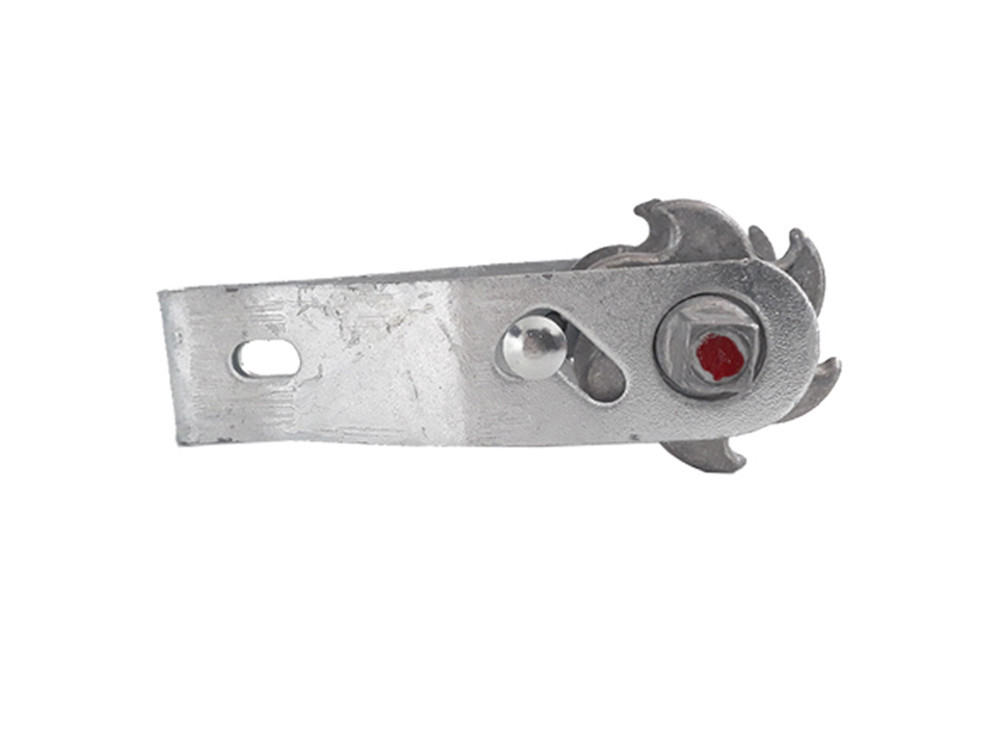
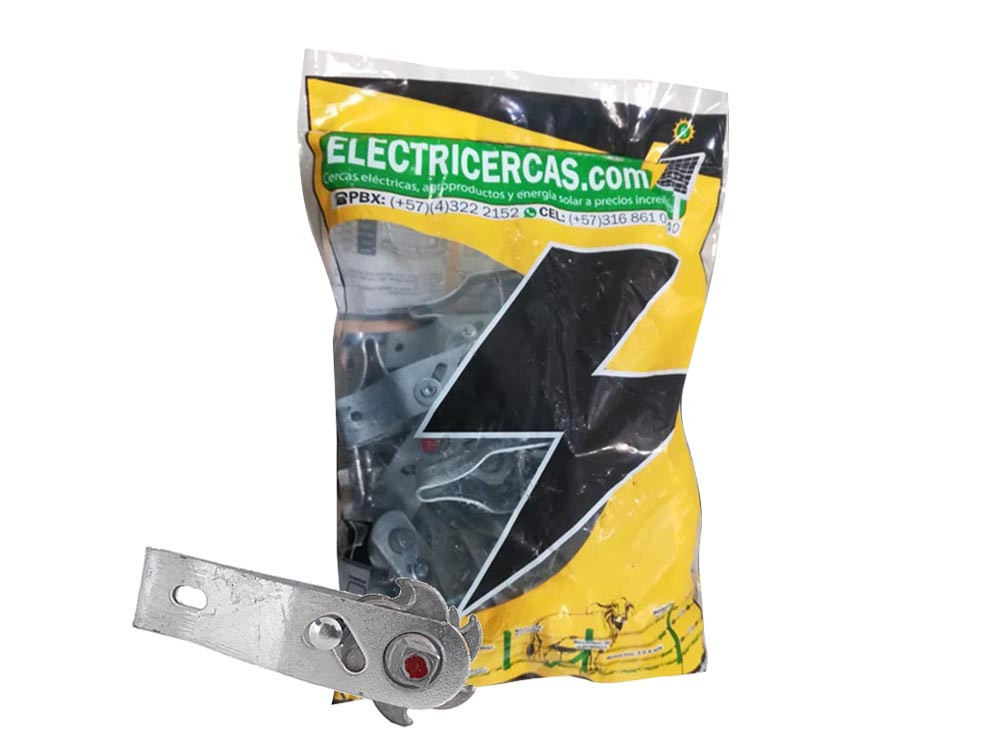
- Accessories: tensioners, joint clamps, cut-out switches, warning signs and a fence tester in electric fence accessories.
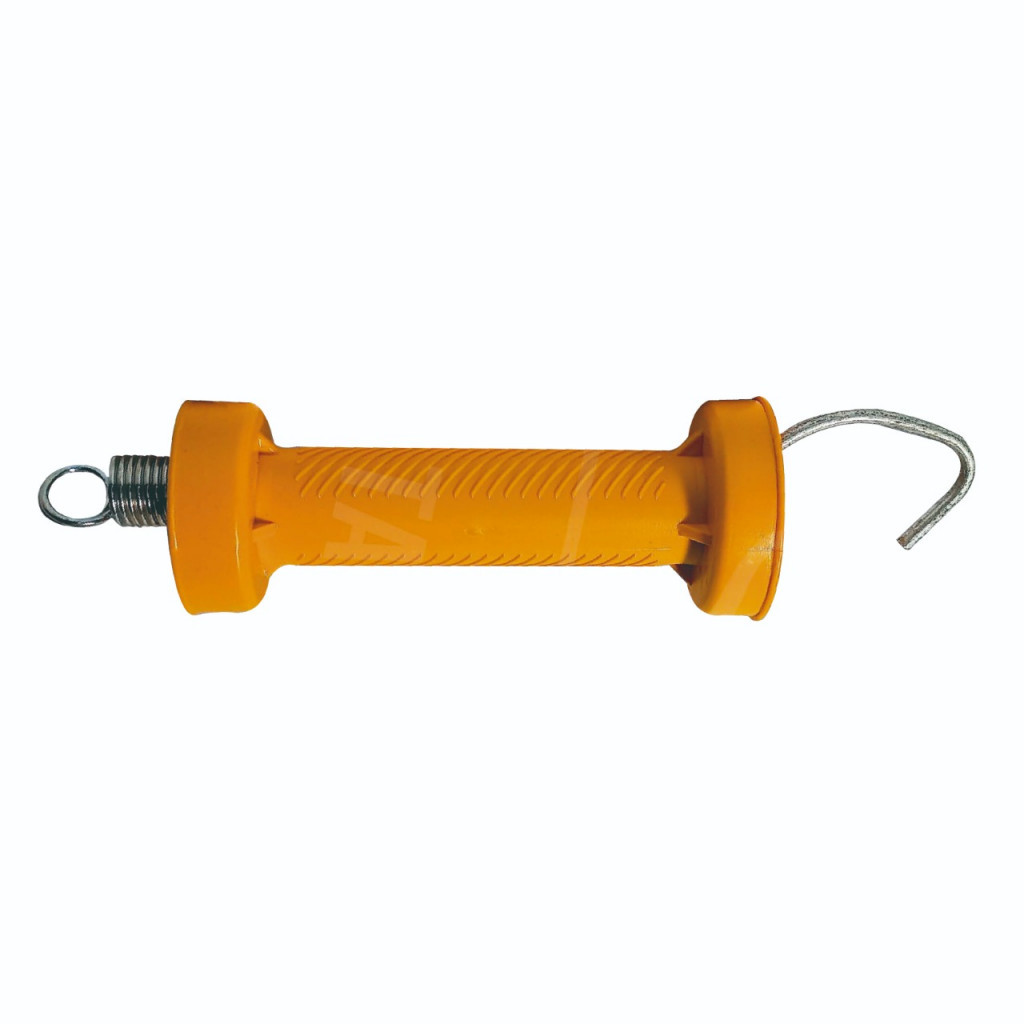
- Gates: insulated spring or tape gate handles so you can pass without shutting down the whole fence.
For quick quantities, the quote calculator estimates materials by hectares (1 hectare is about 2.5 acres) and wire count.
Step-by-step installation
- Walk the property and mark corners, gates and water crossings.
- Install and brace corner and end posts first.
- Run wire between corners and tension it with in-line strainers, without overdoing it.
- Set the line posts and attach the wire with line insulators.
- Install the energizer ground system with multiple rods.
- Connect the energizer to the fence with insulated high-voltage lead-out cable, never bare wire buried in the soil.
- Add cut-out switches so you can isolate sections without shutting down the whole farm.
- Check voltage at the far end with a fence tester.
- Hang electric fence warning signs along roads and boundaries.
Detailed manuals are available in our installation section.
Training cattle
Training prevents most breakouts. The best approach is to teach animals in a small pen with a well-charged electric wire running inside a physical fence. Within two or three days they learn not to touch it.
- Keep it calm and low-stress; never drive cattle into the wire at a run.
- Hang visible tape or white flags on the wire for the first few days.
- Introduce new animals alongside cows that are already trained.
Management and maintenance
A cattle fence needs short but frequent checks. This weekly checklist saves a lot of trouble:
- Voltage at the far end is above the recommended level.
- Weeds are trimmed under the wire, especially in the rainy season.
- Insulators are intact and the wire is not touching any post.
- Wires are tight, with no fallen branches on them.
- Ground rods are solid and the connections are clean.
- The energizer is dry, protected and its indicator is working.
If voltage drops, use your cut-out switches to split the fence and test section by section. You will find the fault in minutes instead of walking the entire farm.
The fence as a productivity tool
Beyond containment, electric fencing is what makes rotational grazing practical: split pastures into strips, give cows fresh grass every day and let the rest recover. That means better use of forage per acre. If you want to take that step, read our guide to rotational grazing with electric fence and browse our electric fence catalog.
Get a quote for your cattle fence
Electricercas has been advising cattle producers since 2014 from our base at the livestock fairgrounds in Medellín, Colombia, and we have delivered more than 11,000 orders. Estimate your materials with the quote calculator or contact us on WhatsApp at +57 305 453 5264 with your acreage, herd size and power situation. We will help you choose the energizer, wire and accessories, and we ship throughout Colombia and internationally.
Frequently asked questions
What voltage does an electric fence for cattle need?
A common benchmark is at least 3,000 to 4,000 volts at the farthest point of the fence. Check it with a fence tester after installation and whenever cattle start testing the fence.
How far apart should posts be on a cattle electric fence?
On flat ground with good tension, 33 to 65 feet (10 to 20 m) apart. On rolling terrain, set them closer so the wire follows the ground without touching it or riding too high.
Does an electric fence hurt cattle?
A quality energizer delivers very short pulses designed to be unpleasant, not harmful. Always use an energizer built for fencing and never connect a fence directly to household power.
Why do my cattle get out even though the energizer is on?
It is almost always low voltage on the line caused by weeds, broken insulators or poor grounding. Test at the far end, isolate sections with cut-out switches and inspect the ground rods.
Need help with your fence?
We ship worldwide. Message us and an advisor will help you choose the right setup.