

Electric Fence Posts and Rods: Wood, Plastic, Fiberglass, Metal
Electricercas team · October 5, 2026 · 6 min read
Key takeaways
- Strong brace posts at corners, light rods on the line
- Wood and metal always need insulators
- Fiberglass insulates, stays light and won't rot
- Plastic step-ins are best for portable fences
- Space line posts 40 to 65 ft on flat ground
Posts are the backbone of any electric fence. The energizer supplies the power and the wire carries it, but posts and rods are what hold that conductor at the right height, keep it tight, and keep it away from anything that could short it out. Pick the wrong material and you end up with rotten posts after two wet seasons, rods that bend the first time a steer leans on them, or current leaks nobody can find. This guide compares wood, plastic, fiberglass, and metal electric fence posts, explains where each one performs best, and shows you how to mix them so your fence lasts without overspending.
Brace posts vs. line posts: two very different jobs
Before choosing materials, separate the two kinds of support every fence needs:
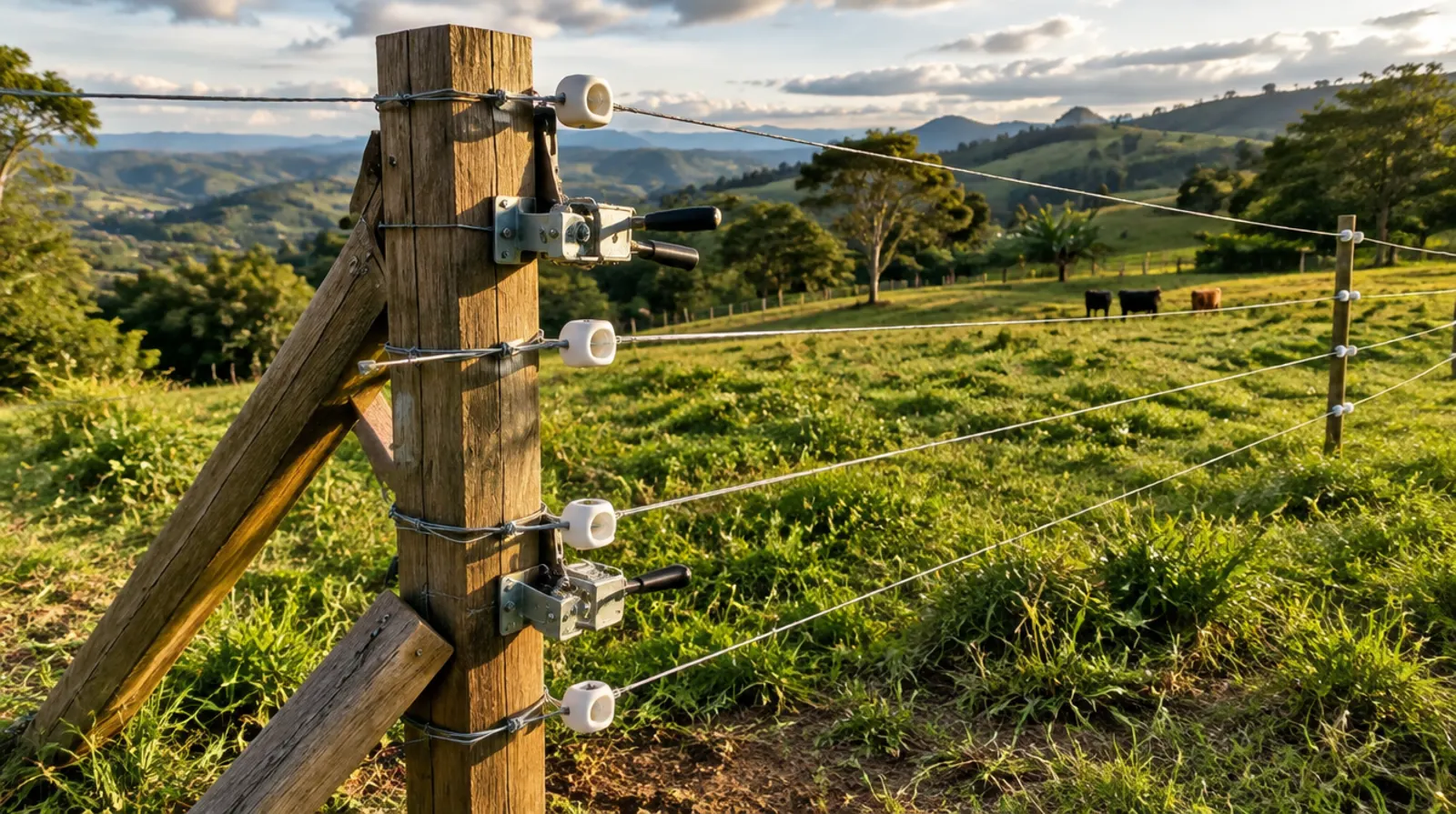
- Corner, end, and strain posts (brace posts): they go at corners, gates, changes in direction, and at intervals along long runs. They carry the wire tension, so they must be strong, set deep, and often braced.
- Line posts or step-in rods (intermediate): they only hold the wire at the right height between brace posts. They carry almost no tension, so they can be thinner, lighter, and cheaper.
The most common mistake we see is using thin rods at corners, or the opposite: paying for heavy timber along the whole line when you don't need it. A smart design puts the money into the load points and keeps the line light.
Material comparison
| Material | Best use | Approximate lifespan | Needs insulator | Pros | Cons |
|---|---|---|---|---|---|
| Treated (pressure-treated) wood | Corners, gates, permanent fences | Long if properly treated | Yes | Strong, easy to nail or screw | Heavy; untreated wood rots quickly |
| Untreated local wood | Temporary fixes | Short in wet soil | Yes | Free on the farm | Rots, warps, conducts when wet |
| Plastic (PVC or polyethylene) | Portable fences and strip grazing | Medium; UV degrades it | No | Light, insulating, built-in clips | Flexible; little push resistance |
| Fiberglass | Permanent and semi-permanent lines | Long | No (insulating) | Light, flexes without breaking, won't rot | Can splinter if hammered unprotected |
| Metal (steel rod, angle, pipe) | Reinforced corners, high-pressure spots | Long if galvanized | Yes, always | Very strong | Conducts: without insulators it shorts |
| Concrete | Permanent corners and boundaries | Very long | Yes | No rot, no termites | Heavy and costly to haul |
Wood: the classic for corners
Wood is still the go-to for brace posts on most farms. A pressure-treated post set deep holds tension for years. If you use untreated timber cut on the property, expect to replace it soon, especially in soil that stays wet.
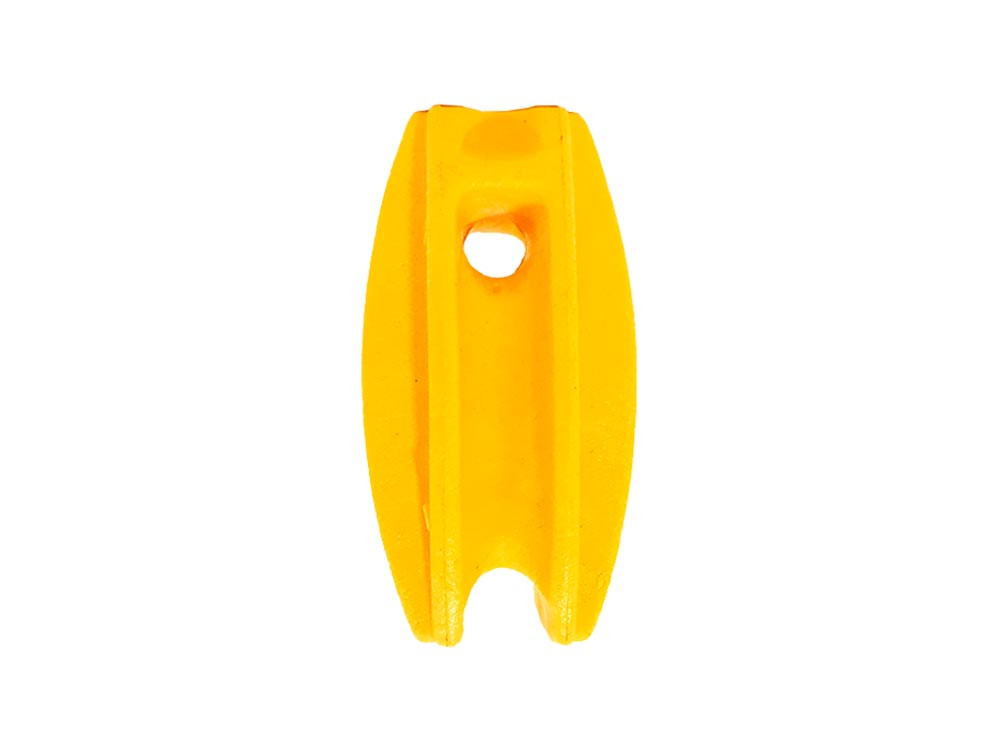
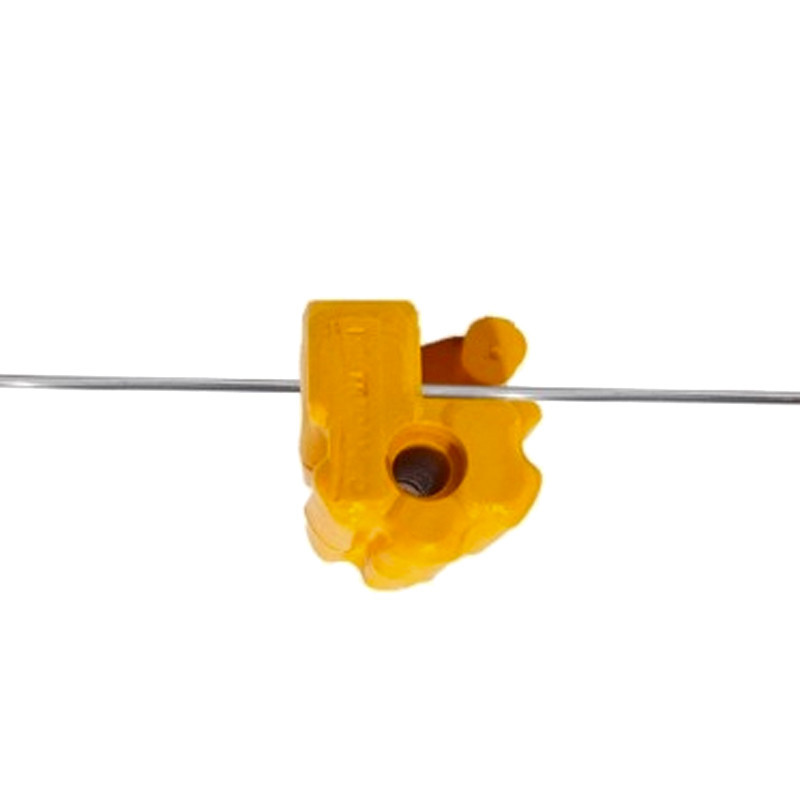
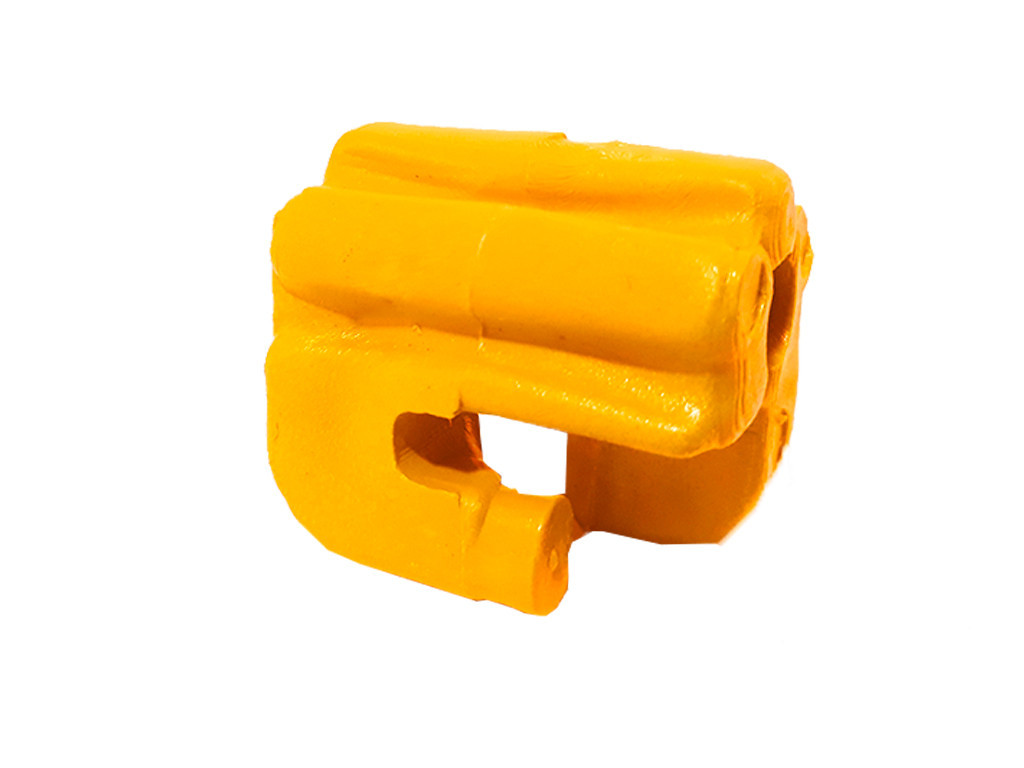
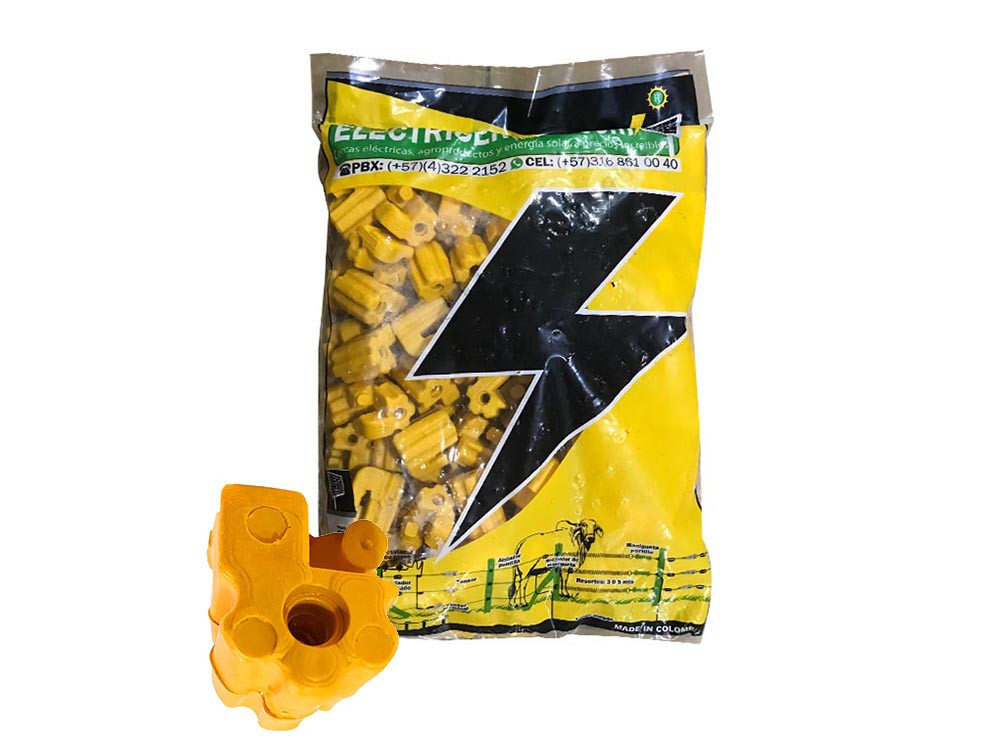
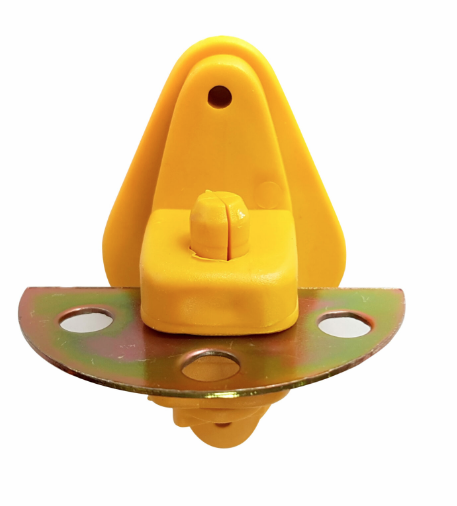
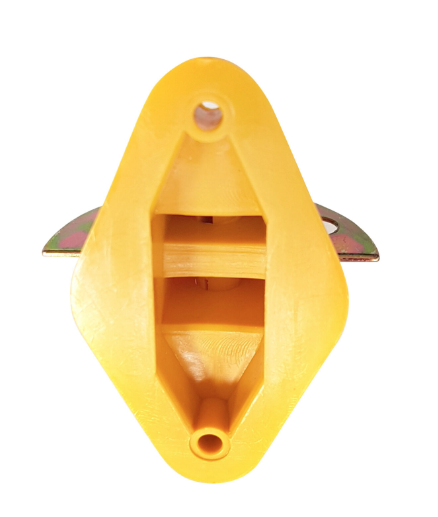
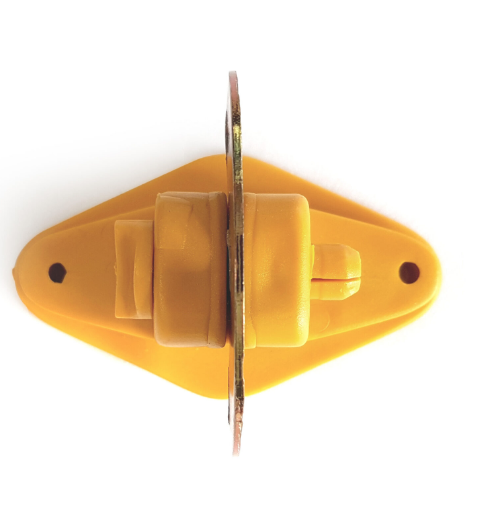
Something people forget: wet wood conducts some electricity. Always put an insulator between the hot wire and a wooden post. Browse our electric fence insulators to choose the right type: corner, ring, screw-in, or nail-on.
Plastic: the choice when the fence moves
Plastic step-in posts are pushed in with your foot and come with clips at several heights. They are the foundation of portable fencing and strip grazing because you can set up and pull a line in minutes. They don't need insulators since the material itself insulates. Their weak point is sunlight: plastics without good UV stabilizers turn brittle over time. For more on this use, read our guide to the portable electric fence for paddocks.
Fiberglass: light, insulating, and long-lasting
Fiberglass rods are an excellent line post for permanent fences. They insulate, don't rot, aren't eaten by termites, and they flex when an animal pushes instead of snapping. Because they're slim, you can space them widely and still carry very little weight across the pasture. In hard ground, drive a pilot hole with a steel bar first or use a driving cap so you don't splinter the top.
Metal: strong, but always insulated
Rebar, steel angle, or galvanized pipe works well at corners or in spots where cattle push hard. The risk is obvious: metal conducts, so any contact between the hot wire and the post sends current to ground and weakens the whole fence. Use metal only with quality insulators and check them often.
How far apart should posts be?
Spacing depends on terrain, livestock, and whether the fence is permanent or temporary. As a practical reference:
| Situation | Typical line post spacing |
|---|---|
| Flat ground, permanent cattle fence | 40 to 65 ft (12 to 20 m) |
| Rolling or sloped ground | 26 to 40 ft (8 to 12 m), plus a post on every crest and dip |
| Portable fence with tape or polywire | 20 to 33 ft (6 to 10 m) |
| Sheep, goats, or pigs (low wires) | 16 to 26 ft (5 to 8 m) |
On long runs, add a strain post every 650 to 1,300 ft (200 to 400 m) so the wire keeps its tension. On slopes, the wire tends to lift in dips and drop over crests; a post at each change keeps the height you need.
Depth and stability
- Corner and gate posts are typically buried around one third of their length, with soil tamped in layers.
- Fiberglass or steel line rods go in until they're firm; drive them deeper in soft soil.
- In very wet ground, consider concrete or rock around brace posts.
- Diagonal braces or anchor wires at corners keep posts from leaning under tension.
How to combine materials on one fence
- Lay out the fence line and mark corners, gates, and direction changes.
- Install the brace posts first (treated wood, concrete, or steel) with their bracing.
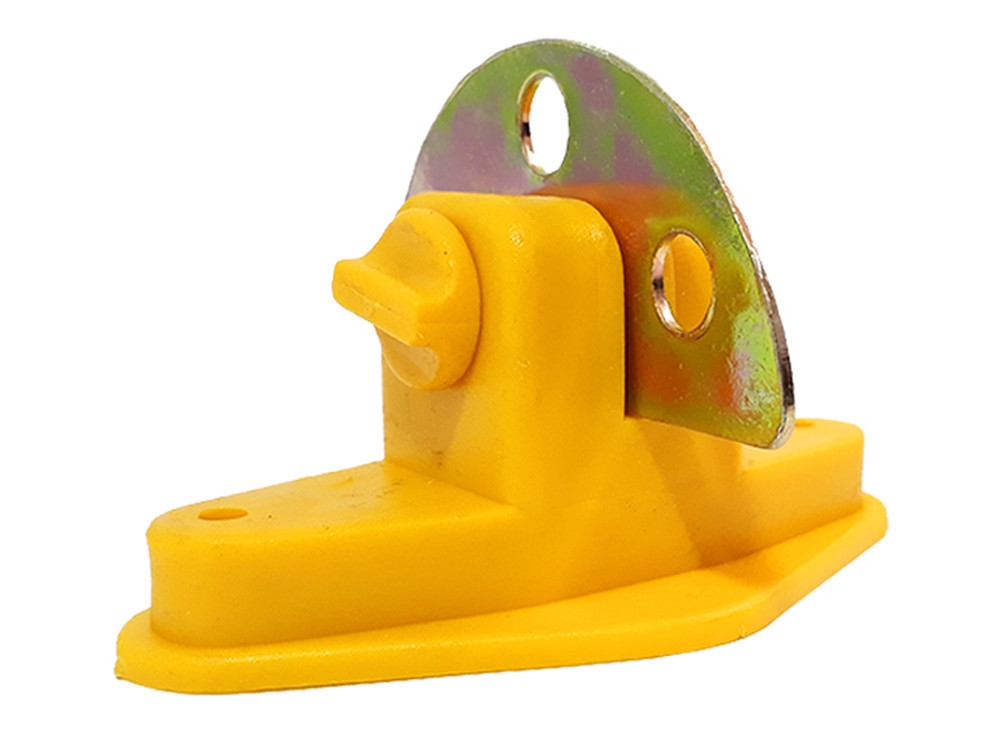
- Fit corner or ring insulators on the brace posts.
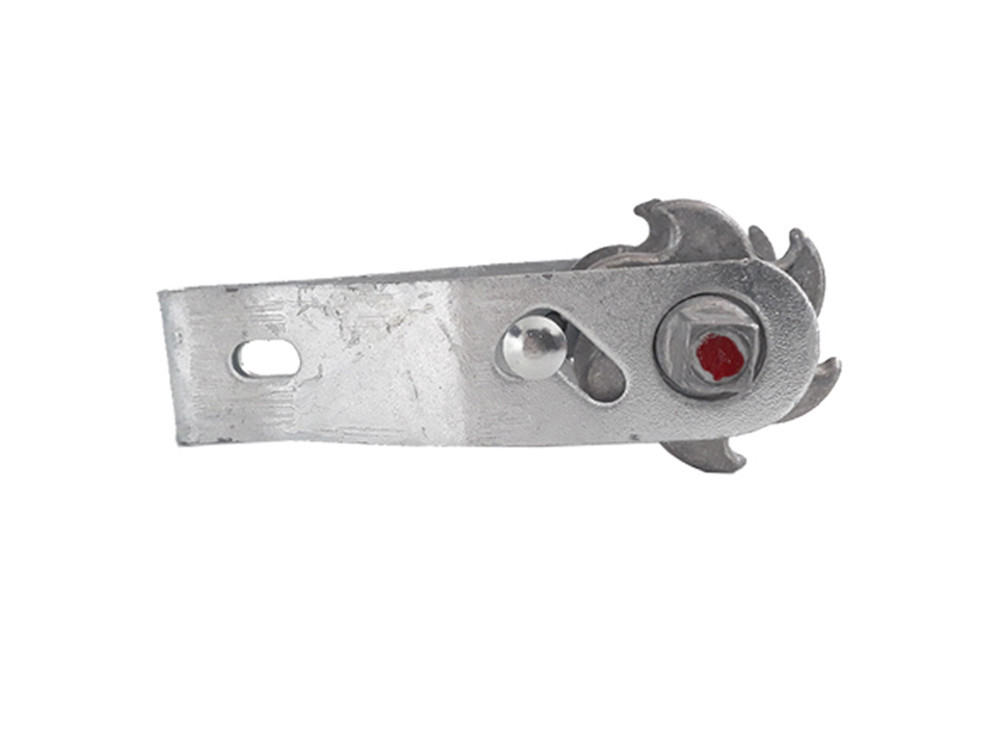
- Run the wire and tension it from the corners with strainers.
- Drive the line posts (fiberglass or plastic) at the spacing the terrain calls for.
- Add line insulators on steel or wooden posts; on fiberglass and plastic, use their clips.
- Walk the line with a fence tester and confirm no post is leaking current.
For a step-by-step with photos, check our installation manuals.
Mistakes that ruin a well-planned fence
- Running wire directly on wood or metal without an insulator.
- Using thin rods as corner posts.
- Spacing posts too far apart on rolling ground.
- Hammering fiberglass without a cap and splitting the tip.
- Ignoring termites, which can destroy untreated wood in a few months in some regions.
- Letting vegetation grow against posts and wires, causing leaks.
How much material do you need?
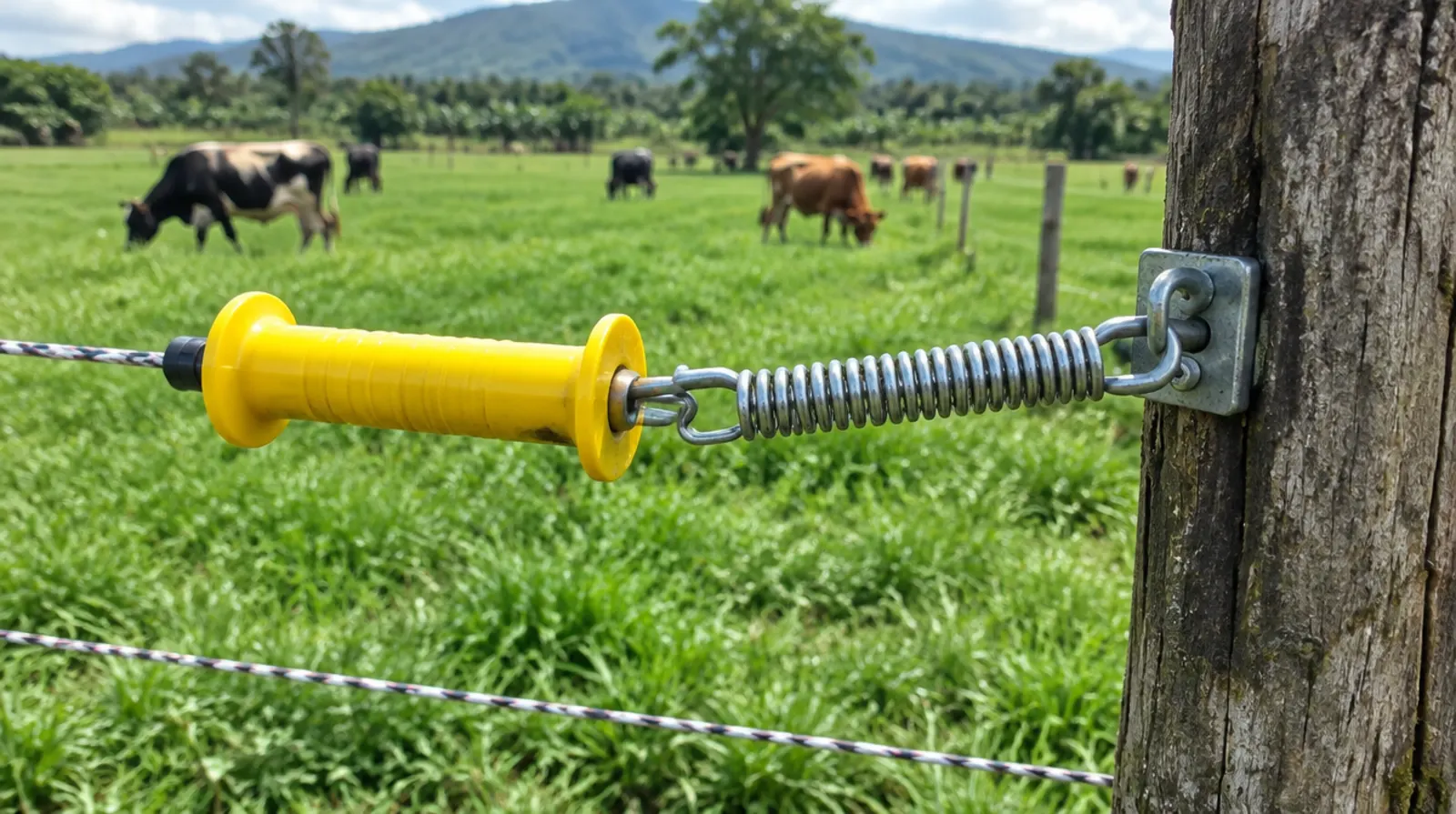
Estimating posts by eye usually means a second trip to town. Our fence calculator estimates materials from the acreage and perimeter of your paddock, and our electric fence accessories section has rods, strainers, gate handles, and connectors. If you're also comparing total costs, see our guide on electric fence cost per hectare.
A quick budgeting rule
Divide the perimeter by your chosen spacing, then add the brace posts: corners, gates, and intermediate strain points. Add 5 to 10% extra rods to replace any damaged during installation. With that number you can compare materials properly. Fiberglass may cost more per unit than wood, but since it needs no insulators and rarely needs replacing, its lifetime cost can end up lower.
Get a quote for posts and accessories
Since 2014 Electricercas has helped ranchers and growers build fences that actually work, with more than 11,000 orders delivered. We ship across Colombia and to other countries. Run your numbers in the calculator or contact us on WhatsApp at +57 305 453 5264 and we'll help you pick the right mix of posts, rods, and insulators for your property.
Frequently asked questions
Are fiberglass or wood posts better for an electric fence?
It depends on the job. Treated wood is better for corners and gates because it handles tension. Fiberglass is the better line post: it insulates, stays light, and won't rot, so it doesn't need insulators.
How far apart should electric fence posts be?
On flat ground with a permanent cattle fence, 40 to 65 feet (12 to 20 m) is a common reference. On rolling ground, space them closer and put a post on every crest and dip to keep the wire at the right height.
Can I use metal posts on an electric fence?
Yes, as long as you use quality insulators. If the hot wire touches the metal, current goes to ground and the fence weakens. Inspect those insulators regularly.
Do plastic step-in posts need insulators?
No. Plastic is an insulator and step-ins usually come with built-in clips for polywire or tape. Just make sure they are UV-stabilized so they don't turn brittle in the sun.
Need help with your fence?
We ship worldwide. Message us and an advisor will help you choose the right setup.