









Electric Fence Safety for People: Is It Dangerous to Kids?
Electricercas team · October 9, 2026 · 6 min read
Key takeaways
- Energizers send brief pulses, not continuous current
- Never wire a fence directly to mains power
- Don't electrify barbed wire where people walk
- Post warning signs at gates, paths and roadsides
- If someone can't let go, switch off the energizer first
It's the question we hear most from families who live on the farm: "What if my kid touches the fence?" The short answer is that a properly installed electric fence, powered by an energizer built for that purpose, delivers a sharp, unpleasant and brief shock, but it is not designed to cause lasting harm to a healthy person. The longer answer is that this safety depends on several conditions: the type of equipment, the installation, warning signs and a few habits worth teaching at home. This article covers electric fence safety for people, explains why fences work the way they do, when they can become dangerous, and what concrete steps you can take to protect children, farmhands and visitors.
Why an electric fence is not the same as a live power line
The difference is the energizer (also called a charger or controller). A wire hooked directly to 110/120 V or 220/240 V household power delivers continuous current: if someone grabs it, their muscles contract and they may be unable to let go, which is extremely dangerous. An electric fence energizer instead converts power into high-voltage pulses of extremely short duration (fractions of a millisecond), separated by roughly a one-second pause.
That has three key consequences:
- The pulse is so brief that the total energy delivered to the body is limited.
- The pause between pulses lets the person release the wire or move away.
- Energy is limited by design in units built to international safety standards for fence energizers.
That's why it's dangerous, and illegal in many places, to connect a fence wire straight to mains power or to use homemade "chargers." Those shortcuts have caused serious injuries and deaths in people and animals.
High voltage doesn't mean dangerous current
An energizer may read 7,000 or 8,000 volts and still be safe, because risk is determined by the combination of energy, current and pulse duration. High voltage is needed to push through hair and dry hide; the ultra-short pulse is what limits harm.
When an electric fence can be dangerous
Even with a safe design, some situations raise the risk:
| Situation | Why risk increases | What to do |
|---|---|---|
| Wire connected directly to mains | Continuous current, no pulses | Never do it; always use a certified energizer |
| Modified or homemade charger | Uncontrolled energy output | Buy units from a reputable manufacturer |
| Contact with head or neck | Shock is stronger near sensitive areas | Proper height and signage |
| People with pacemakers or heart conditions | Greater sensitivity to shocks | Warn them and keep distance |
| Very young children | Could fall and stay in contact with the wire | Supervision and physical barriers near play areas |
| Electrified barbed wire | A person can get caught and can't let go | Avoid electrifying barbed wire where people pass |
| Two energizers on one fence | Overlapping pulses | One energizer per fence circuit |
Barbed wire deserves special mention: if a person or animal gets tangled, they can't pull away between pulses. As a general safety practice, electrifying barbed wire is not recommended, especially near trails, roads and homes. That's what smooth wire, poly tape and polyrope made for electric fencing are for.
What the rules say, in general terms
Most countries regulate electric fences through national electrical codes and international standards for fence energizers that cap pulse energy and duration. In the U.S., requirements can vary by state and county, especially for fences along public roads or in residential areas; in Colombia, the reference is the RETIE technical regulation. Broadly, these rules call for certified energizers, warning signs where people may come into contact with the fence, and never connecting a fence to mains power without an energizer. Because codes change, check your local regulations or consult a licensed electrician, particularly for perimeter security fences or fences along public roads. Our article on electric fence regulations in Colombia goes deeper for Colombian installations.
Safety measures for your farm
Installation
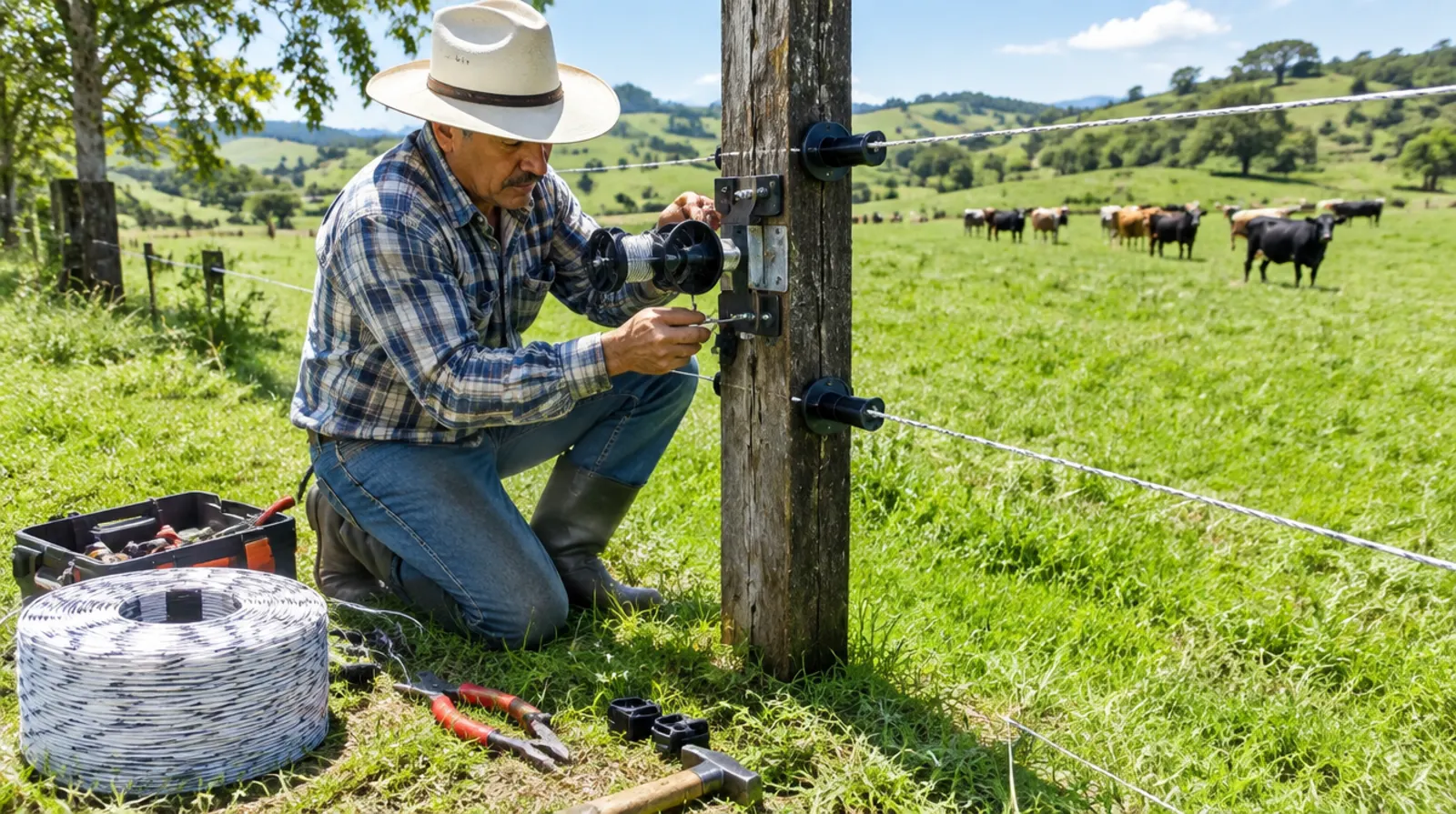
- Always use an energizer from a reputable manufacturer, never a homemade setup or a direct mains connection. Browse our energizers.
- One energizer per fence. If you need more power, upgrade to a larger unit; don't wire two to the same line.
- Install a solid ground system, kept separate from your home's electrical ground and water pipes, at a sensible distance.
- Mount the energizer in a dry spot out of children's reach, ideally inside a shed or a lidded enclosure.
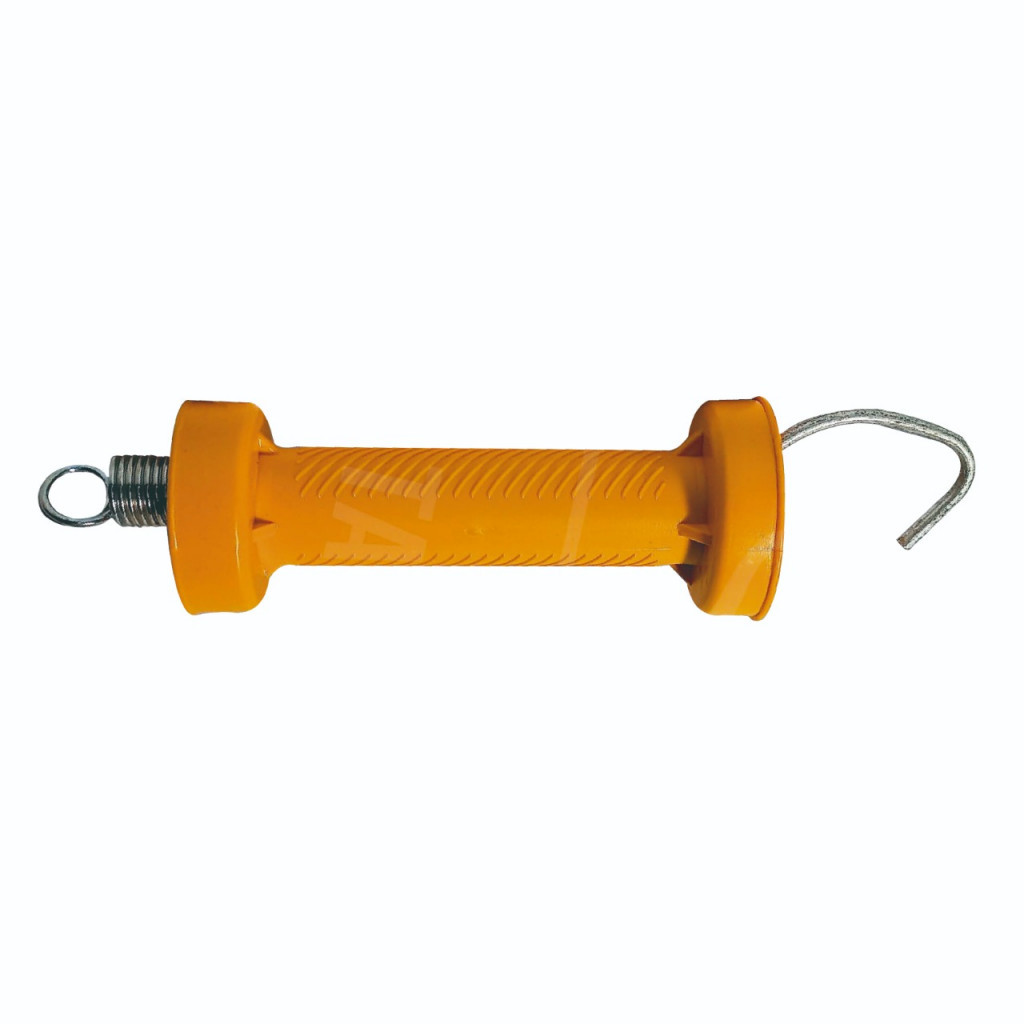
- Use gate handles with insulated grips wherever people pass, so they can open the gate without touching live wire. See our fence accessories.
- Add lightning protection with arrestors and cut-out switches; a lightning strike is far more dangerous than the energizer itself.
- Keep the fence away from overhead power lines and never run it parallel and close to distribution lines.
Warning signs
- Hang "Electric Fence" warning signs at gates, along paths and at regular intervals where people walk.
- On perimeter fences along roads, signage is even more important: passersby have no way to know the fence is live.
- Use high-visibility materials: white or yellow tape helps both people and animals see the line.
At home: talking to kids
Children learn fast when the message is clear. A few tips:
- Show them the fence and explain that it "bites" and must not be touched, just like a hot stove.
- Teach them to recognize the signs and the clicking sound of the energizer.
- Set up play areas away from the fence, ideally with a physical barrier (mesh fencing or a hedge) in between.
- Tell them never to urinate on or near the fence: liquid conducts, and the shock is very unpleasant.
- Teach them that if someone gets shocked and can't let go, they should turn off the energizer, not grab the person.
What to do if someone gets shocked
Most shocks from a properly installed fence cause nothing more than a scare and a strong sensation that fades within seconds. Still, know the protocol:
- Switch off or unplug the energizer before approaching, if the person is still in contact.
- If you can't turn it off, separate the person with a dry, non-conductive object such as a dry wooden stick.
- Check that they're breathing and conscious. If there's loss of consciousness, trouble breathing, chest pain or an irregular heartbeat, seek emergency care immediately.
- If the person has a pacemaker, a heart condition or is pregnant, see a doctor even if they feel fine.
- Review the installation: why did contact happen? Is a sign, gate handle or barrier missing?
Farmhands and visitors
If other people work on your property, include the fence in their onboarding: where the energizer is, how to switch it off, where to cross, and which sections are live. Before repairing the fence, turn off the energizer and confirm with a fence tester that there's no voltage. Our guide on how to test electric fence voltage shows you how.
For visitors and guests, increasingly common on farms that offer agritourism or farm stays, signage should be obvious and walking trails should be set back a reasonable distance from fence lines.
Quick safety checklist
- The energizer is from a reputable manufacturer and in good condition.
- There's only one energizer per fence circuit.
- No electrified barbed wire where people walk.
- Warning signs are visible at gates, paths and road frontages.
- Gates have insulated handles.
- The fence ground is separate from the house ground.
- Lightning protection is installed.
- Kids know not to touch the fence and who can turn it off.
Install with confidence and the right equipment
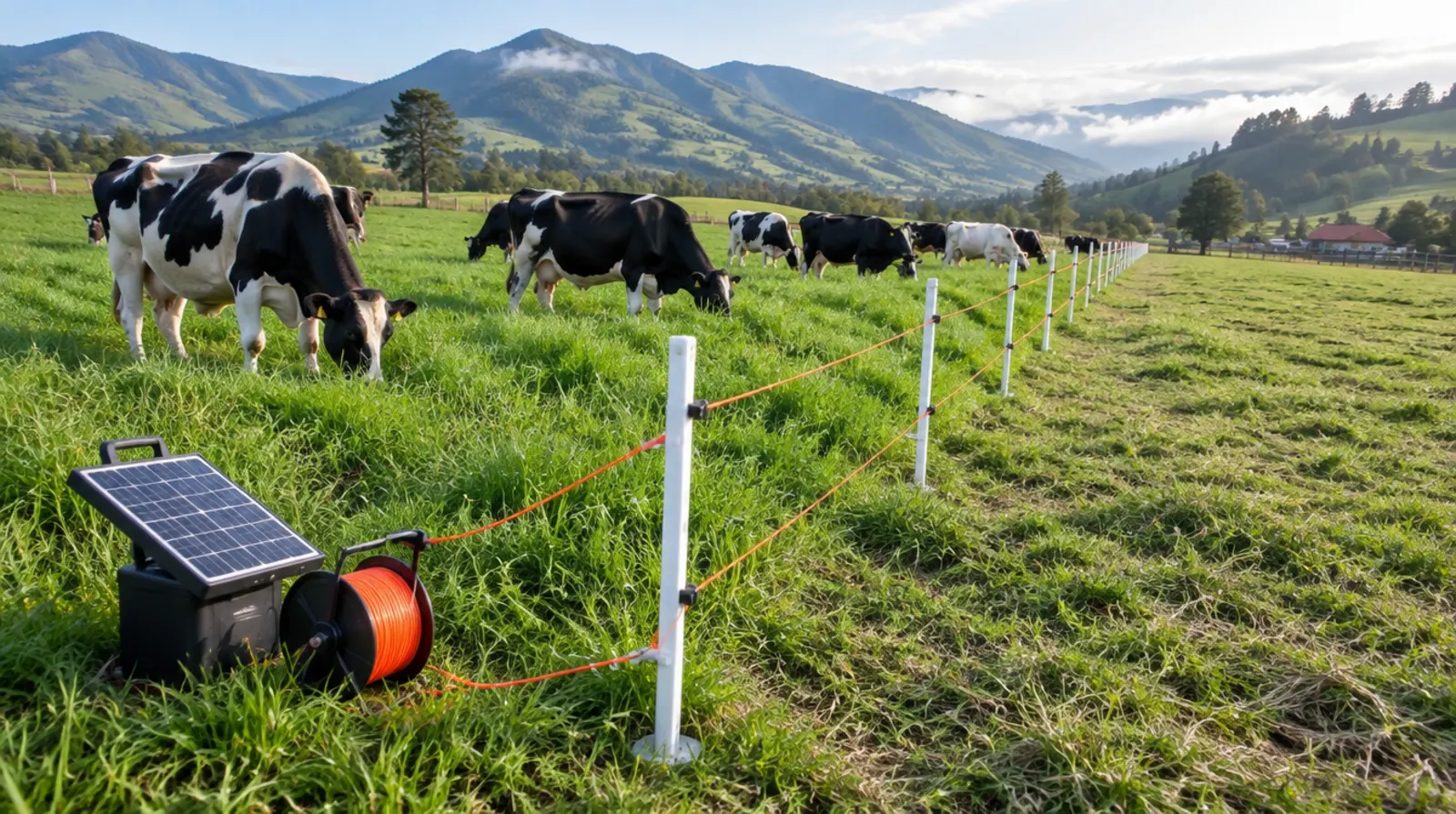
An electric fence is one of the safest and most cost-effective tools for managing livestock, as long as you use proper equipment and install it correctly. At Electricercas, based in Medellín, Colombia since 2014, we help you choose the energizer, gate handles, signage and electric fence supplies your farm needs. Estimate your project with our fence calculator, check our installation guides, or contact us on WhatsApp at +57 305 453 5264. We ship throughout Colombia and internationally.
Frequently asked questions
Can an electric fence kill a person?
A fence powered by a certified, properly installed energizer is designed to deliver a brief, non-lethal shock to a healthy person. Serious accidents usually involve direct mains connections, homemade chargers or electrified barbed wire. People with heart conditions or pacemakers should avoid contact.
What happens if a child touches an electric fence?
They will usually feel a sharp, unpleasant shock that passes within seconds and quickly learn to avoid the fence. Prevent it by explaining the fence, posting signs and separating play areas with a physical barrier. If a child falls on the wire and can't get free, switch off the energizer immediately.
Are warning signs required on electric fences?
Many jurisdictions require or recommend signs wherever people may contact the fence, especially along public roads and near homes. Check your local code or ask a licensed electrician. Even where not mandatory, signs prevent accidents and liability issues.
Need help with your fence?
We ship worldwide. Message us and an advisor will help you choose the right setup.