Electric Fence for Pigs, Sheep and Goats
Electricercas team · October 13, 2026 · 6 min read
Key takeaways
- Bottom wire at 6–8 in for pigs and sheep
- Wool insulates: sheep need 4,000 V or more
- Goats: more height, tight low spacing
- Low wires mean strict weed control
- Train animals in a small pen first
Small livestock put an electric fence to the hardest test. Pigs root underneath, a sheep in full fleece barely feels the shock, and a goat will look for any gap to squeeze through or jump. That is why fences that work beautifully for cattle often fail with pigs, sheep and goats. The fix is not complicated, but it is different: more wires, set lower, with more voltage and much stricter weed control. This guide gives you a recommended design for each species, the materials worth using and how to train animals to respect the fence.
What pigs, sheep and goats have in common
They behave differently, but all three share traits that force a change in design:
- They are short: the bottom wire has to sit very close to the ground.
- They explore with the head and snout, which is exactly where the shock is felt.
- They find gaps easily: if one animal gets out once, the rest of the group learns to follow.
- They live close to the weeds: with wires that low, grass and leaves touch the conductor and drain the fence.
The practical result is that you need an energizer with good output (joules) that can hold voltage even with some vegetation touching the bottom wire.
Reference design by species
| Species | Wires | Approximate heights from ground | Suggested minimum voltage | Recommended conductor |
|---|---|---|---|---|
| Feeder and breeding pigs | 2 | 6–8 in and 16–20 in (15–20, 40–50 cm) | 2,000–3,000 V | Galvanized wire or polyrope |
| Large pigs or boars | 3 | 6, 14 and 24 in (15, 35, 60 cm) | 3,000 V or more | Galvanized wire |
| Wooled sheep | 4 to 5 | 6, 12, 20, 28 and 36 in (15–90 cm) | 4,000–5,000 V | Wire or electric netting |
| Hair sheep (Katahdin, Dorper, Santa Inês) | 3 to 4 | 8, 16, 24 and 32 in (20–80 cm) | 3,000–4,000 V | Wire or polyrope |
| Goats | 4 to 5 | 6, 12, 20, 30 and 40–44 in (15–110 cm) | 4,000–5,000 V | Wire or electric netting |
Use these as a guide and adjust for breed, animal size and terrain. To compare with cattle and horses, see how many wires and what height by animal.
Electric fence for pigs
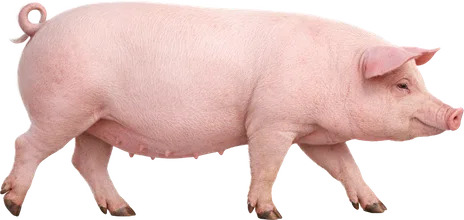
Pigs learn to respect an electric fence faster than almost any other animal, as long as the wire sits at snout height. Their skin is sensitive and they have no wool to insulate them.
Key points for pig fencing
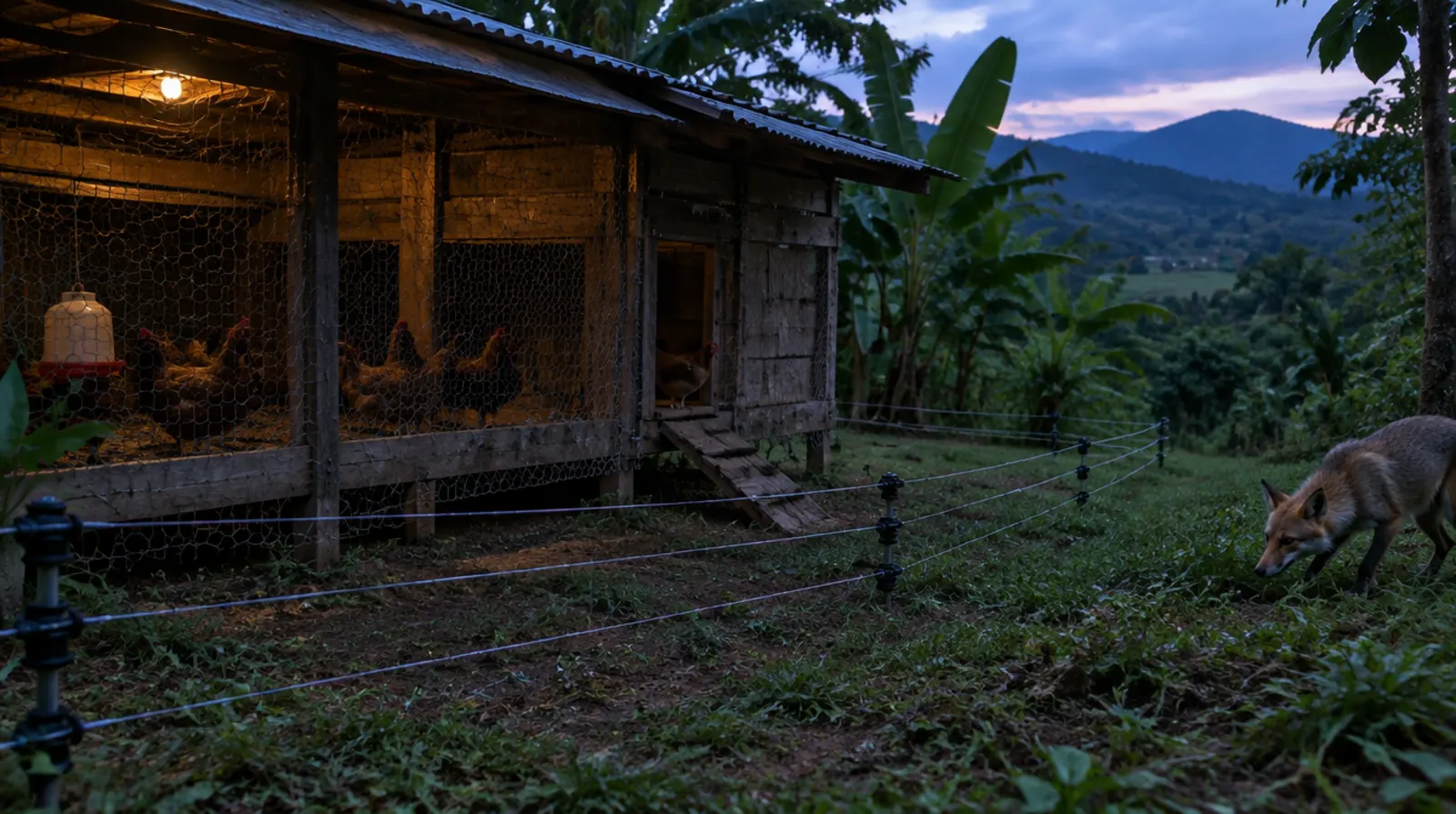
- The bottom wire at 6–8 inches does the containing. Raise it to 12 inches and pigs walk under it.
- The top wire at 16–20 inches keeps big animals from going over or pushing through.
- Pigs root and pile soil against the fence. Check that they do not bury the wire, which shorts it out.
- In pasture-raised pork, the electric wire can run inside a physical fence of mesh or boards so animals cannot push against it.
Training pigs
For the first few days, keep them in a small pen with an electric wire running inside a solid fence. When they touch it with the snout they back away, and within a few days they respect it. Turn untrained pigs into a large paddock with only electric wires and their flight reflex sends them forward, straight through the fence.
Electric fence for sheep
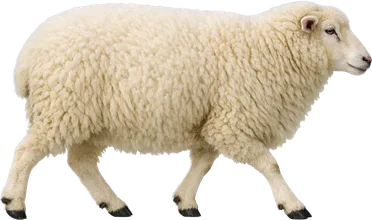
Sheep are the hardest case for one reason: wool. A freshly shorn sheep feels the shock well, but in long, dry fleece it barely feels it on the body. It only feels it on the face, ears and nose.
Key points for sheep fencing
- Run 4 or 5 wires with tight spacing near the ground (about 6 inches) so they cannot push their heads through.
- Keep voltage high, ideally 4,000 V or more at the far end.
- On dry soil, use an alternating live and ground wire system: when the sheep touches a live wire and a ground wire with its face, the shock gets through even if the soil does not conduct.
- Hair sheep breeds feel the shock better and can often be managed with one wire fewer.
- Portable electric netting is very practical for small lots and rotational grazing of sheep.
Electric fence for goats
Goats are known escape artists, and for good reason: they are agile, curious, they climb and they test every inch of the fence. If one goat learns it can get through, the whole herd follows.
Key points for goat fencing
- More height than for sheep: top wire around 40–44 inches (1.0–1.1 m) to discourage jumping.
- Very tight spacing on the lower wires, because goats try to push head and body between them.
- High, consistent voltage: a goat that finds the fence dead once will keep testing it.
- Solid, well-tensioned posts: goats lean and climb.
- Do not leave trees, rocks or mounds next to the fence that they can use as a launch pad.
Recommended materials
- Conductor: galvanized steel or aluminum wire for permanent fences; polyrope or electric netting for portable ones. Find them in fence and barbed wire.
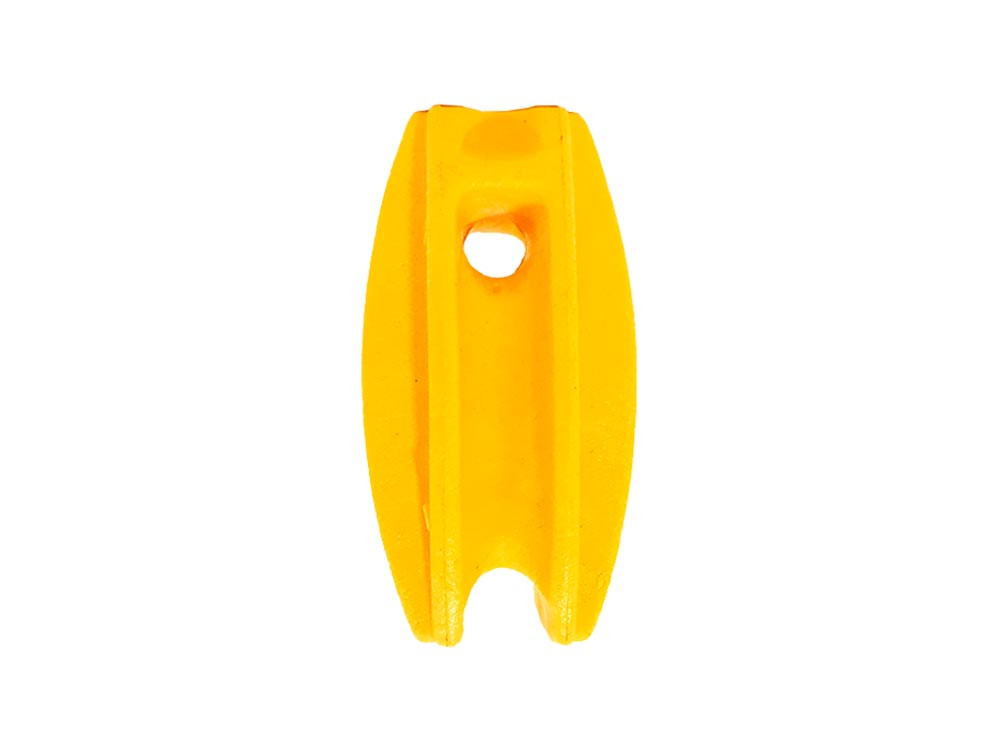
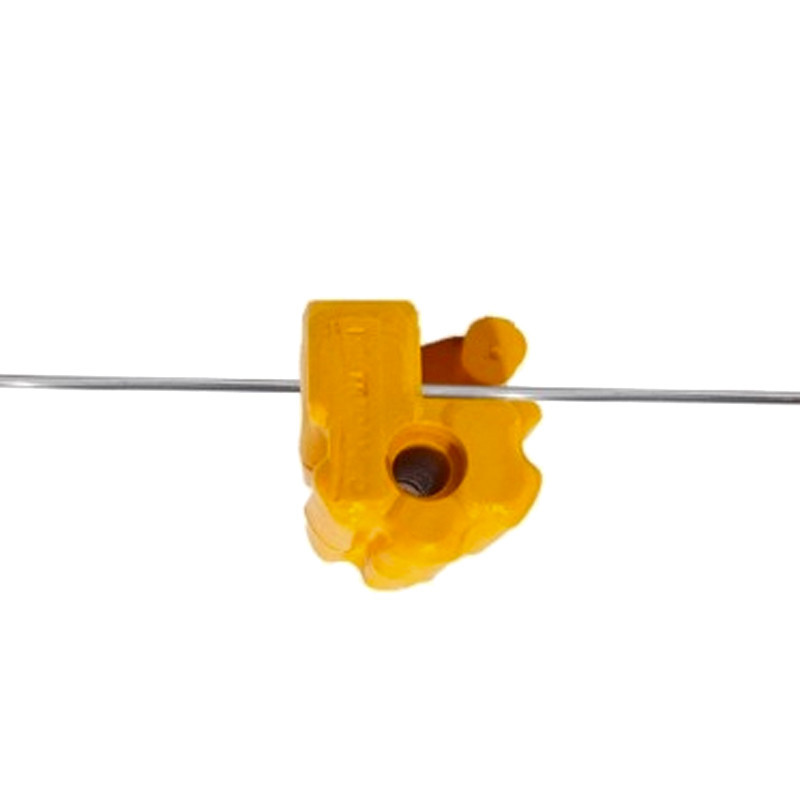
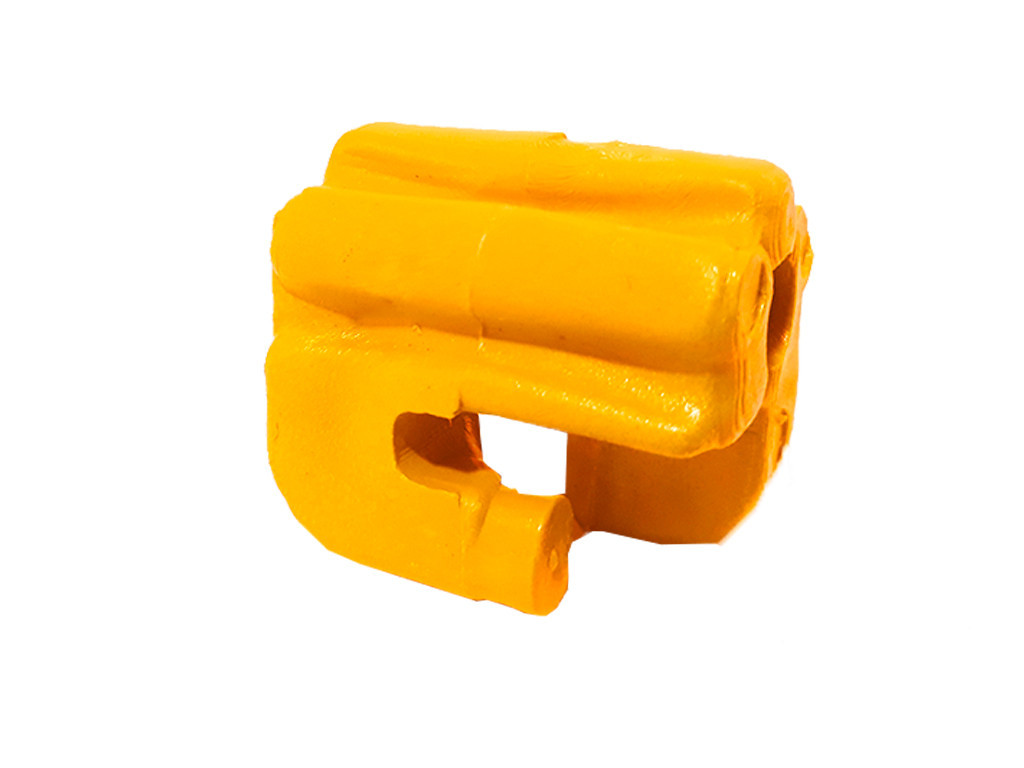
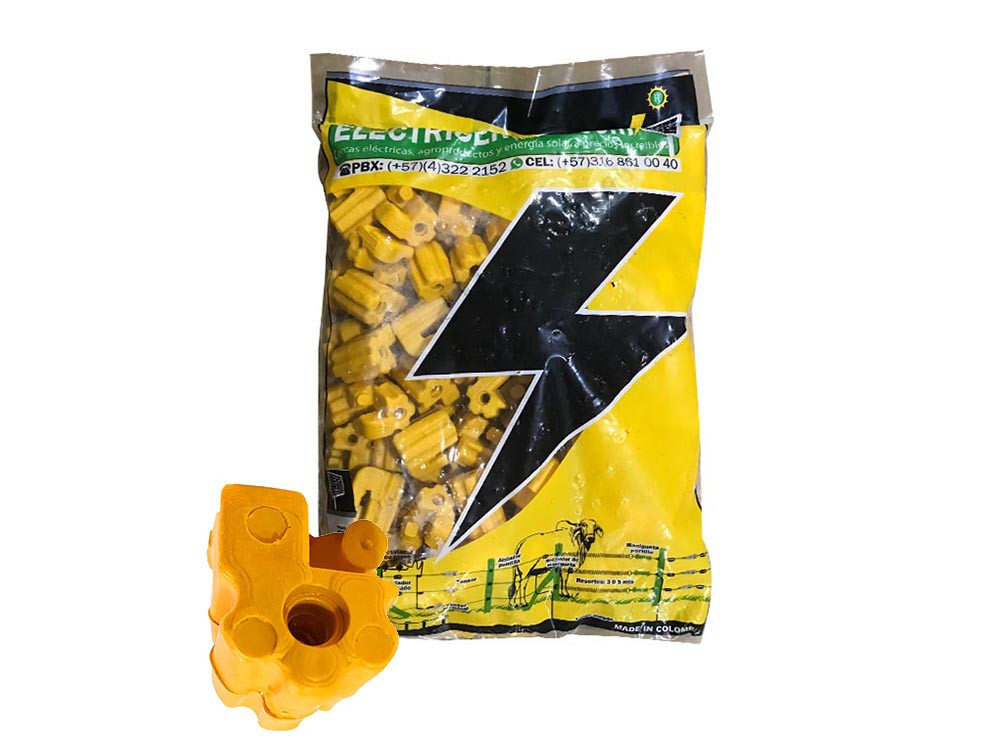
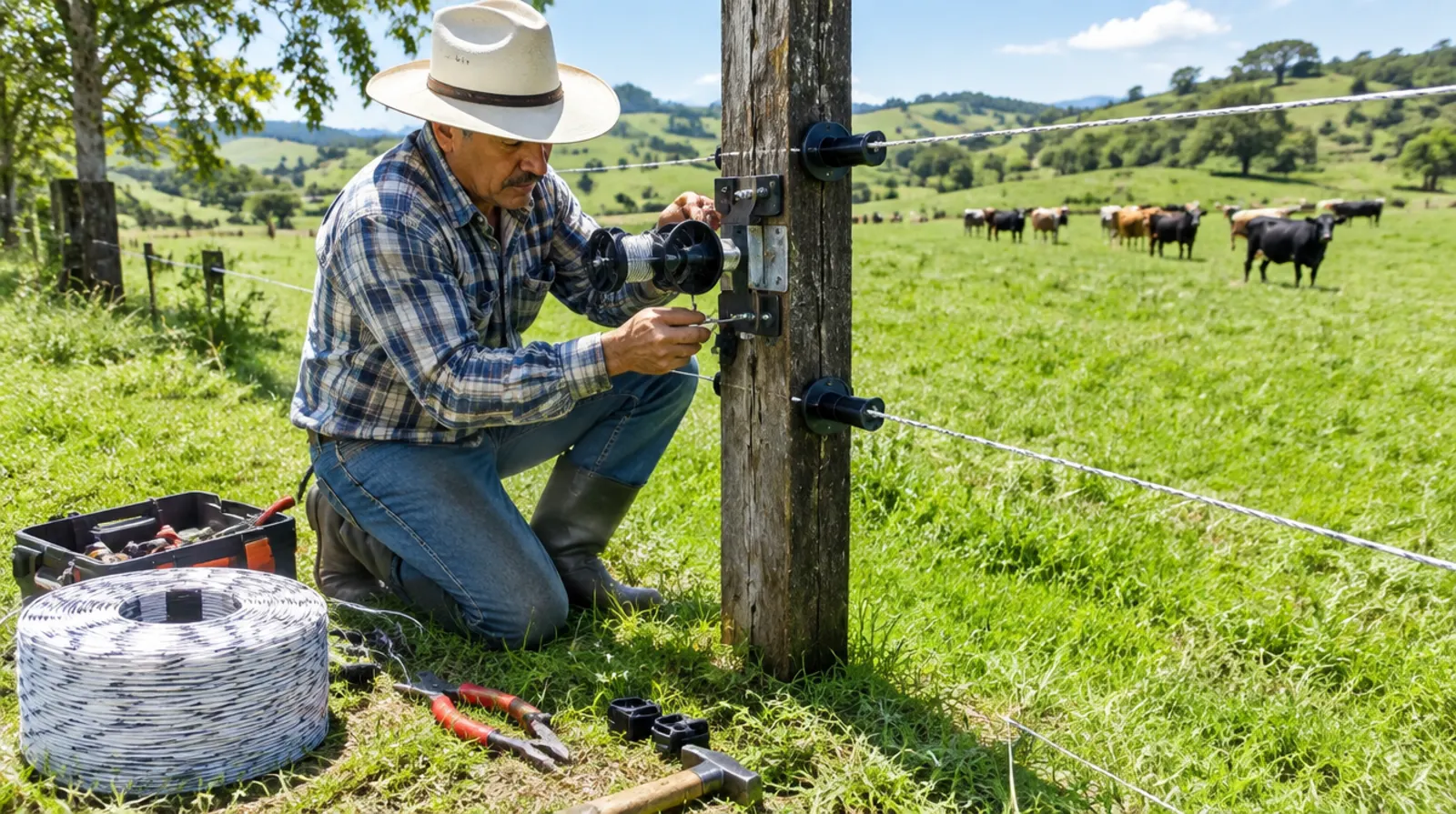
- Insulators: with this many wires per post, you want durable insulators that are quick to install. See electric fence insulators.
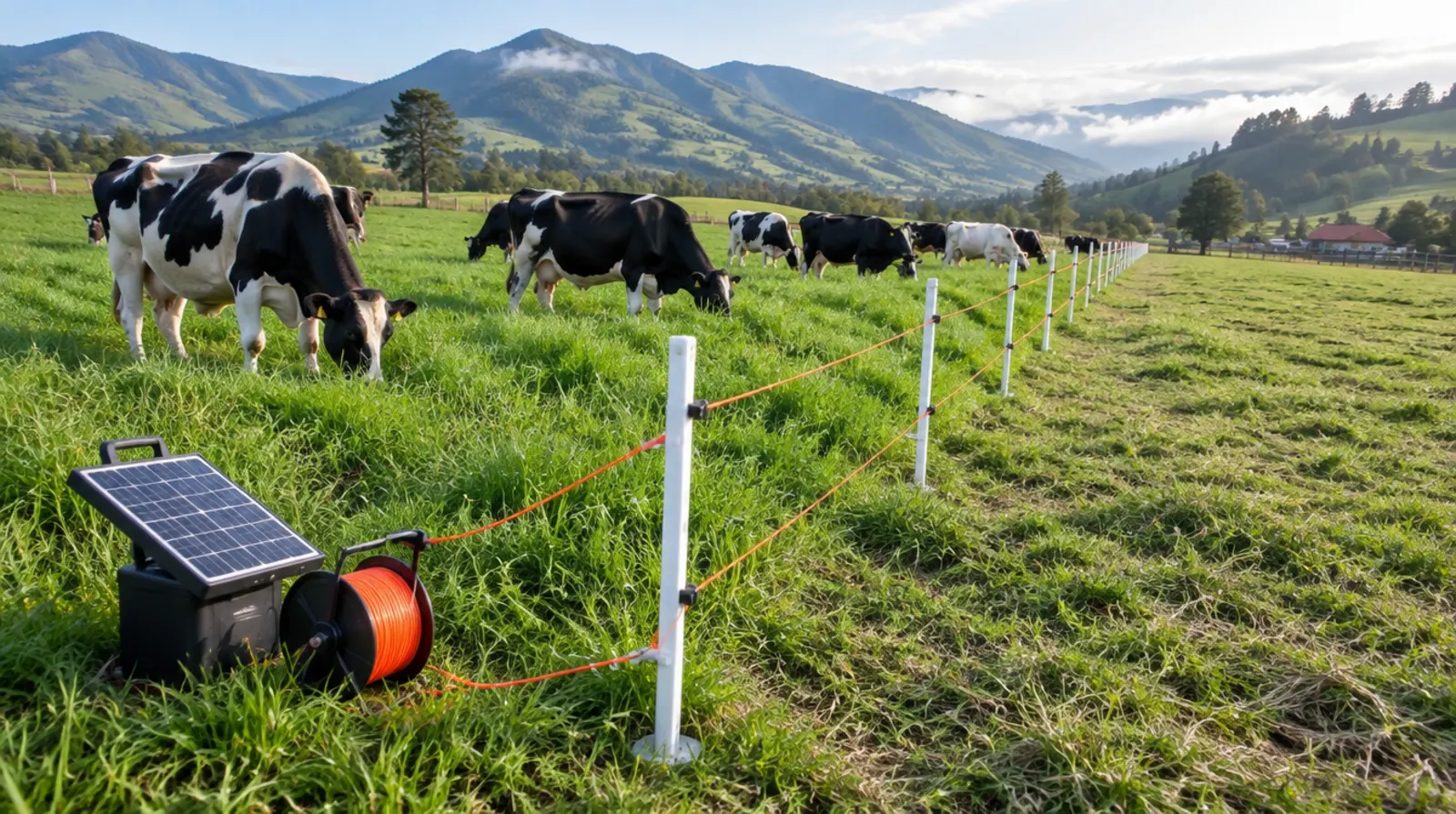
- Energizer: with plenty of reserve to handle the weed load on low wires. Browse energizers and, if you are off-grid, solar energizers.
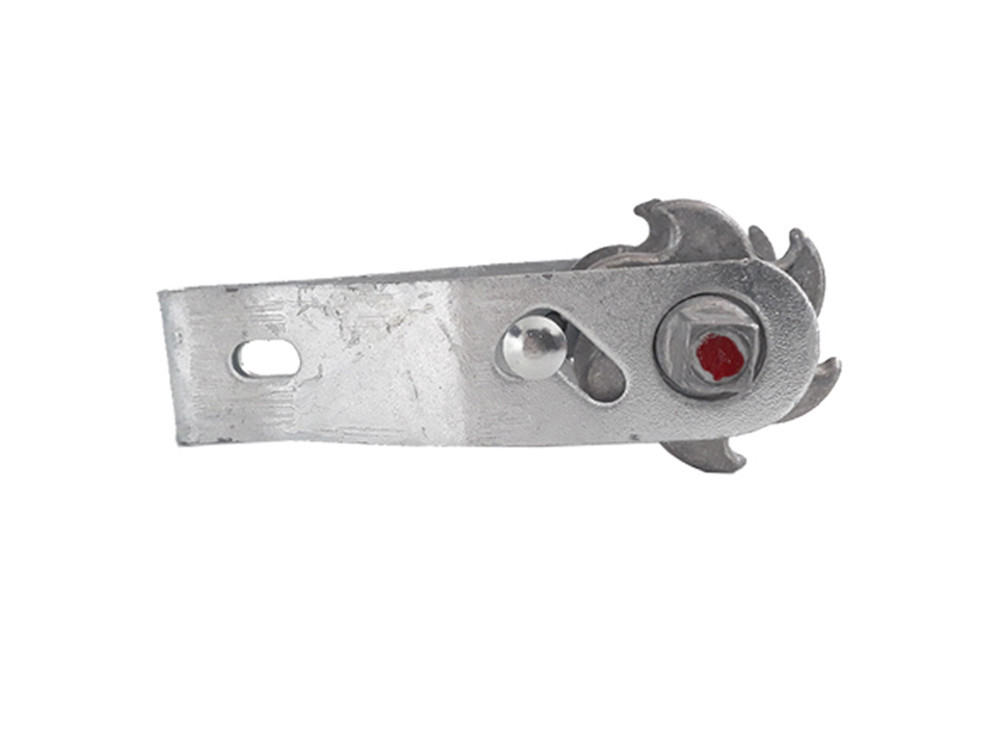
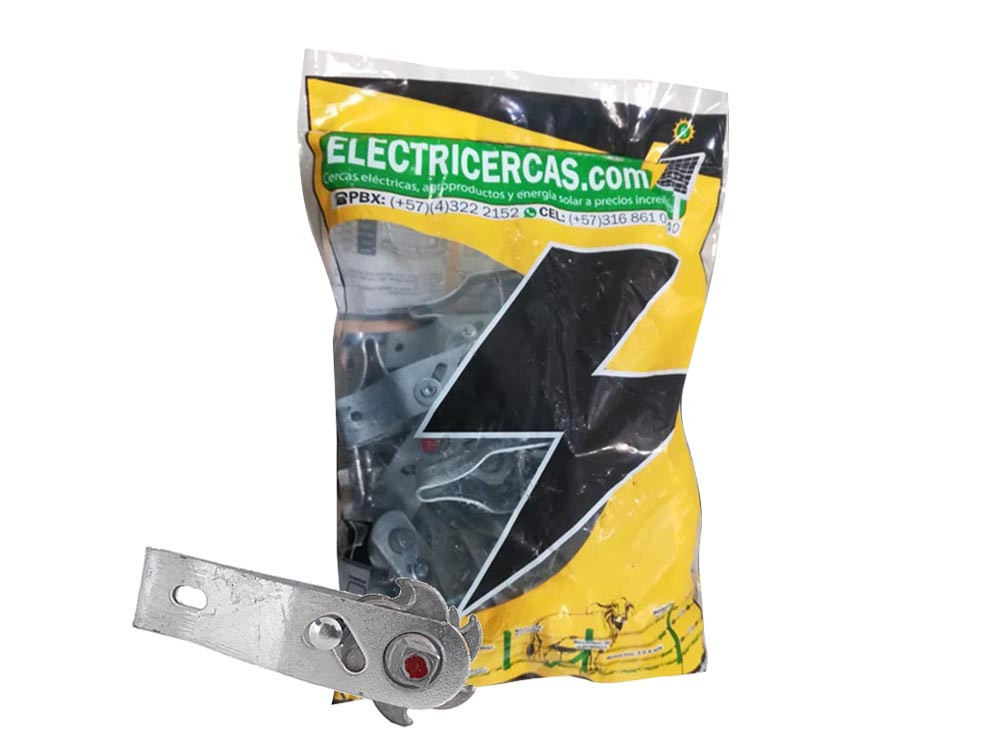
- Accessories: tensioners, wire-to-wire connectors, cut-out switches and a fence tester in electric fence accessories.
Remember that you size the energizer by total wire length: a five-wire fence over 500 m (about 1,640 feet) is 2.5 km of conductor. The quote calculator does that math for you.
Step-by-step installation
- Measure the perimeter and decide whether the fence will be permanent, portable or a mix.
- Clear a strip about 20 inches (50 cm) wide under the fence line; with low wires this is a must.
- Set solid corner posts, then line posts closer together than on a cattle fence (about 16–26 feet, or 5–8 m).
- Mount insulators at the planned heights, working from the bottom up.
- Run the wires and tension them without overdoing it.
- If you use a live-and-ground system, connect the ground wires to the energizer's ground rods.
- Join the live wires together with connectors at corners and at the end of the line.
- Install generous grounding: several rods in moist soil.
- Test voltage at the far end before turning animals out.
More detail is available in our installation manuals.
Weed control: the critical point
With wires 6 inches off the ground, weeds are enemy number one. Every leaf touching the wire is a small current leak, and in the rainy season grass grows fast enough to drag voltage down within days.
- Mow or trim under the fence regularly.
- Add cut-out switches so you can disconnect the bottom wire when weeds get tall, without shutting down the rest.
- Consider grazing the fence strip first with sheep or goats.
- In heavy growth seasons, a more powerful energizer helps keep the shock strong.
Weekly checklist
- Voltage at the far end within the recommended range.
- Bottom wire clear of weeds and turned soil.
- No gap between wires wide enough for an animal's head.
- Posts solid, with no goats climbing or pigs pushing.
- Wire-to-wire connectors clean and tight.
- Ground rods in good condition.
Electric fencing and pasture rotation
Sheep and goats benefit a lot from strip grazing: they make better use of forage, and resting paddocks helps reduce parasite load. Electric netting and portable wires make it easy to move the flock. If that interests you, read rotational grazing with electric fence and explore our electric fence catalog.
Get a quote for your fence
From our base at the livestock fairgrounds in Medellín, Colombia, Electricercas has advised pig, sheep and goat producers since 2014. Estimate your materials with the quote calculator or contact us on WhatsApp at +57 305 453 5264 and tell us your species, herd size and the area you want to fence. We ship throughout Colombia and to other countries.
Frequently asked questions
How many strands does an electric fence for sheep need?
For wooled sheep, 4 or 5 strands are recommended, with the bottom one around 6 inches and tight spacing near the ground. Hair sheep can often be held with 3 or 4 strands because they feel the shock better.
How high should an electric wire be for pigs?
The bottom wire goes about 6–8 inches (15–20 cm) off the ground, at snout height, with a second wire around 16–20 inches. Set the bottom wire higher and pigs will walk under it.
Why do my goats keep escaping the electric fence?
Usually it is low voltage, lower wires spaced too far apart or not enough height. Goats need 4 or 5 strands, high and consistent voltage, and nothing next to the fence they can use to jump.
Does electric netting work for sheep and goats?
Yes, it is very practical for small lots and rotational grazing because it moves easily. It must be powered by an energizer with good output and kept clear of weeds, which drain it quickly.
Need help with your fence?
We ship worldwide. Message us and an advisor will help you choose the right setup.