Electric Fence for Horses: Safe, Visible and Effective
Electricercas team · October 10, 2026 · 6 min read
Key takeaways
- Horses must see the fence: put tape on top
- Top strand at withers height or a bit above
- 2,000–3,000 V is usually enough
- Keep barbed wire away from horses
- Introduce the fence in daylight, calmly
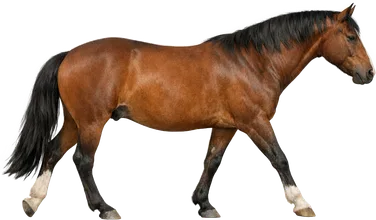
A horse is not just a bigger cow. It is a flight animal: when something spooks it, it runs first and thinks later. That changes everything about how you design an electric fence for horses. A thin, nearly invisible wire that works perfectly with cattle can leave a horse tangled, cut or injured. The good news is that, done right, electric fencing is one of the safest options for horses: no barbs, no broken boards to impale themselves on, and horses learn to respect it from a distance. Here is how to build a horse fence that is safe, visible and effective, whether for a breeding pasture, a boarding barn with turnout paddocks or a hobby farm.
What makes horses different
Before choosing materials, it helps to understand how horses behave:
- They see poorly straight ahead and up close. A 2 mm wire practically disappears when a horse is running toward it.
- They react hard. A frightened horse may throw itself into a fence instead of backing away.
- Their skin is sensitive. They do not need as much voltage as thick-hided cattle to respect the fence.
- They are curious and playful. They chew, scratch and lean on posts and fences, especially when bored.
- They are tall and can jump. A low fence invites testing.
That gives you the three rules of horse fencing: visible, at the right height, and built with a conductor that gives way before a horse's leg does.
Choosing a conductor: tape, rope or wire
The conductor is the most important choice. Compare the options:
| Conductor | Visibility | Horse safety | Durability | Best use |
|---|---|---|---|---|
| Polytape (1–1.5 in / 2–4 cm) | Very high | High: it gives and is easy to see | Medium; suffers in strong wind | Paddocks, turnout pens, temporary fencing |
| Polyrope | High | High | High; handles wind better | Permanent fences and boundaries |
| Galvanized or aluminum wire | Low | Low when used alone | Very high | Only combined with visible tape |
| Barbed wire | Medium | Very low | High | Not recommended for horses |
For most farms, the ideal setup is wide tape on top, where the horse looks, and rope or tape on the lower strands. If you already have a wire fence, add a strand of white tape along the top so horses can see it. Browse conductors in fence and barbed wire and our full electric fence catalog.
One important point: keep barbed wire, electrified or not, away from horses. Barbed wire leg injuries are among the most common and expensive in equine practice.
Heights and number of strands
Horses need more height than cattle. As a general reference:
- Two strands: about 28 inches and 48–52 inches (70 cm and 120–130 cm) for calm adult horses in large pastures.
- Three strands: about 24, 40 and 56 inches (60, 100 and 140 cm) for most situations.
- Four strands: add one at about 16 inches (40 cm) when there are foals or ponies.
The top strand should sit roughly at withers height or slightly above, to discourage jumping and reaching over. If you keep ponies or foals, the bottom strand must be low enough that they cannot slip under. For a side-by-side comparison of species, see how many wires and what height by animal.
Sharing pasture with cattle
When horses and cattle share a pasture, design the height for the horse and the bottom strand for the calf. Use tape on top for visibility and keep a voltage that works for both; cattle will need a bit more shock than horses.
Voltage: enough, not excessive
Because horses have sensitive skin, a common target is 2,000 to 3,000 volts on the line. More is not necessarily better; consistency is what matters. A horse that touches a dead fence a couple of times learns it can push through.
When choosing equipment, remember that tape conducts less than metal wire. On long runs, higher-quality tape and rope use more conductive filaments, or copper filaments, to reduce resistance. A good energizer with enough output makes up for the losses, and if the paddock is far from the barn, a solar energizer is the most practical choice.
Posts, insulators and tension
With tape and rope, posts go closer together than on a cattle wire fence, because tape moves in the wind:
- Tape: posts every 13–20 feet (4–6 m).
- Rope: posts every 20–33 feet (6–10 m).
- Wire with a tape top strand: every 26–40 feet (8–12 m).
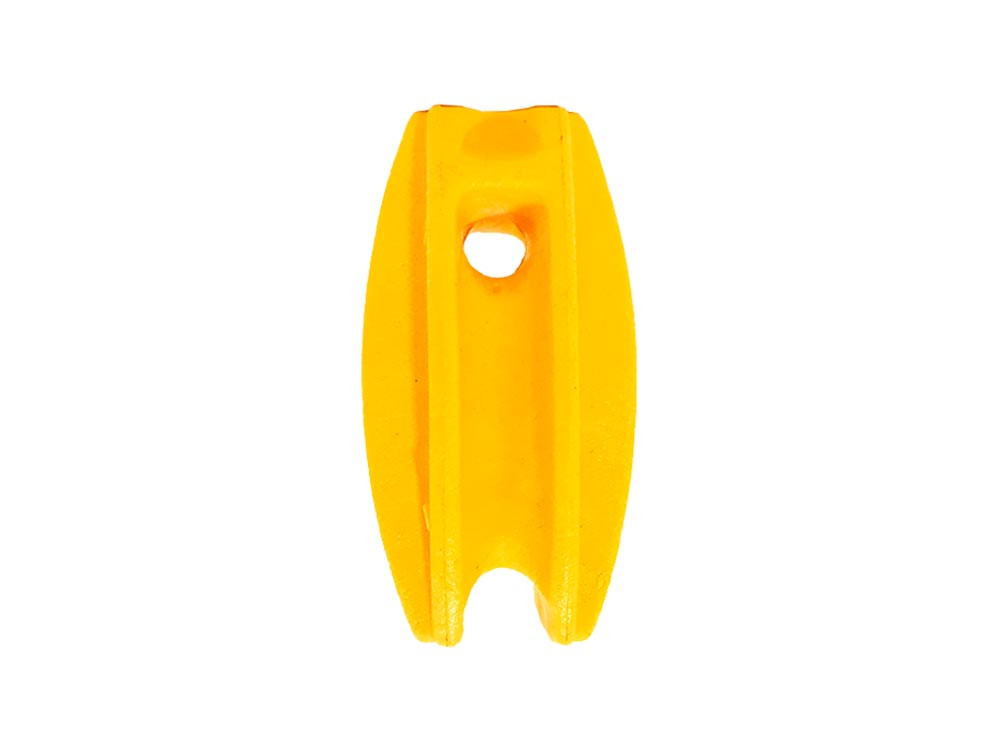
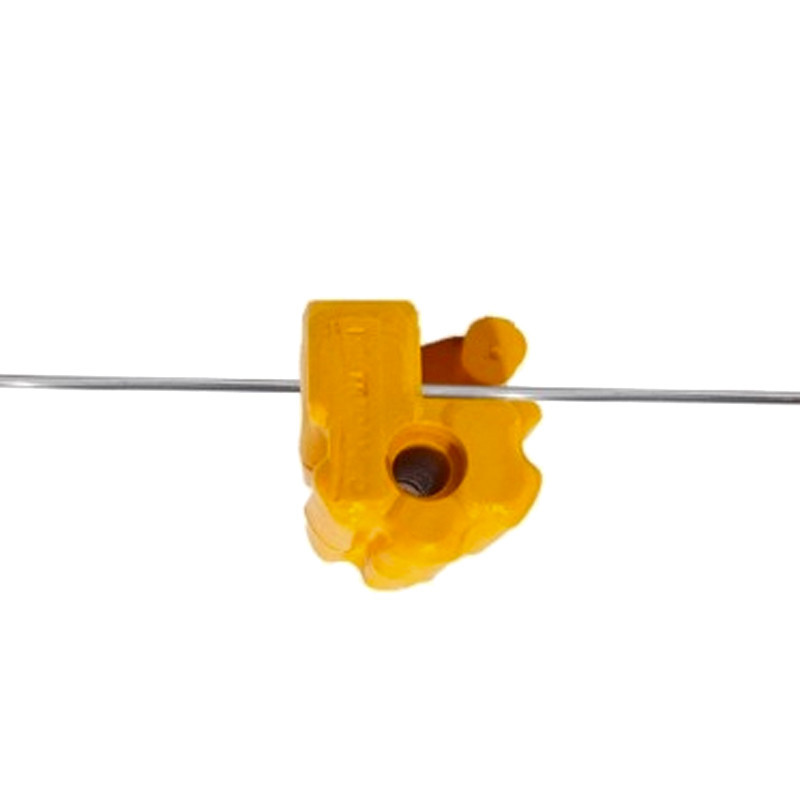
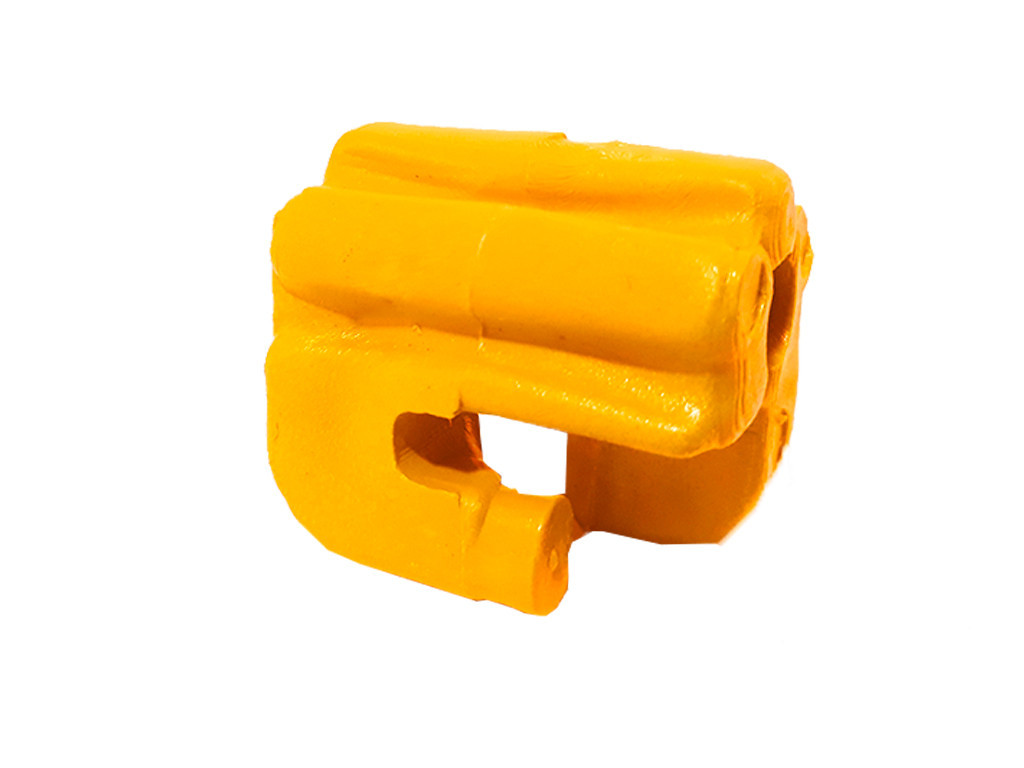
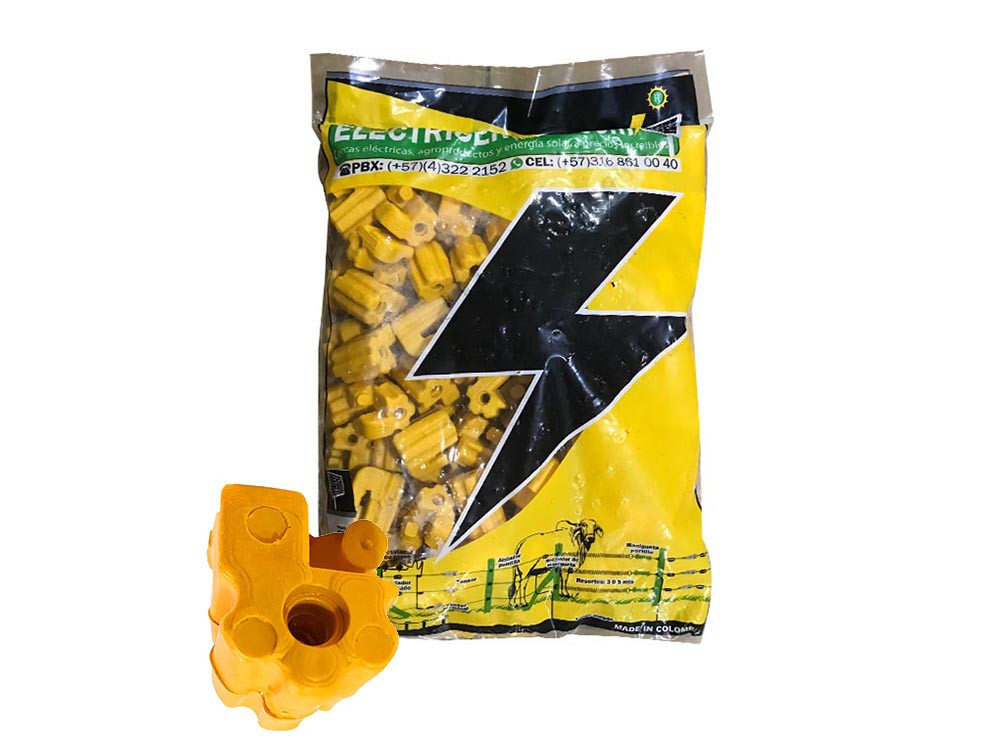
Use insulators made for tape and rope; wire insulators do not grip them well and wear them out. At corners and gates, use strain insulators with good strength. Find them in electric fence insulators.
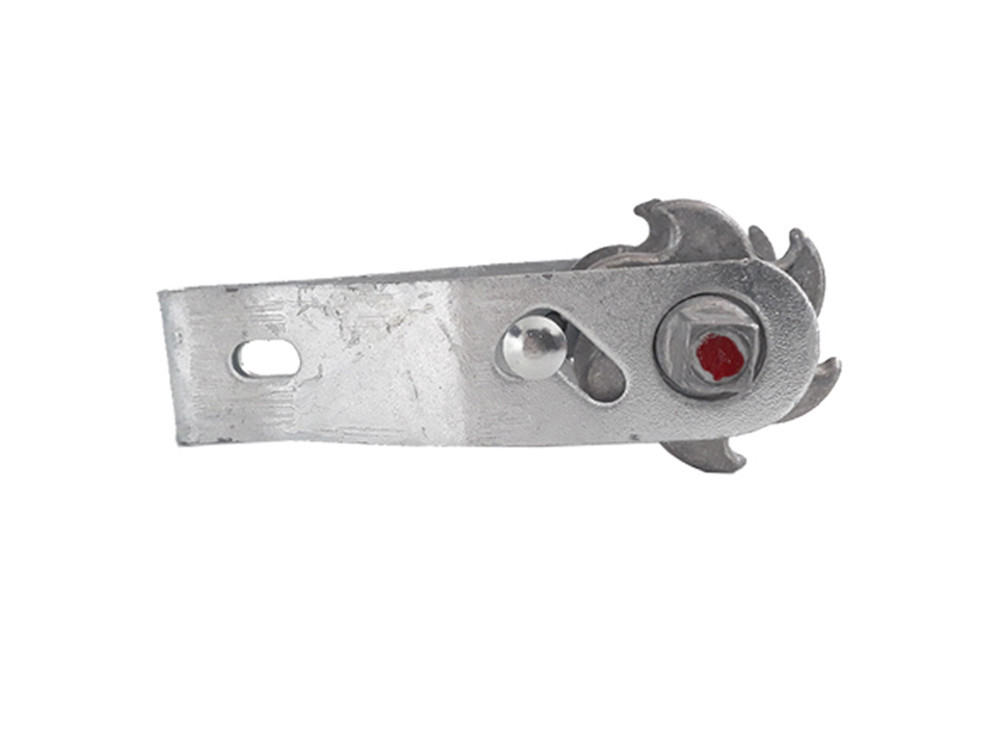
Do not tension tape like wire. It should be firm, without sagging loops that flap around, but with some give so it yields if a horse falls into it. For joins, use tape connectors instead of knots: knots break the filaments and create hot spots that shorten the tape's life.
Step by step: a safe horse fence
- Walk the paddock and remove old wire, nails and barbed wire scraps from the ground.
- Plan corners and gates; gates should be wide so horses do not crowd.
- Install solid, well-braced corner posts.
- Set line posts at the right spacing for your chosen conductor.
- Mount insulators at the planned heights, with tape on top.
- Run and tension the tape or rope with proper tensioners, without over-tightening.
- Install the energizer ground system with several rods in moist soil.
- Connect with insulated lead-out cable and add a cut-out switch near the entrance.
- Measure voltage at the far end.
- Post warning signs along trails and areas where people walk.
See the complete manuals in our installation section.
Introducing horses to the fence
A horse that meets the fence in a controlled way respects it for life. One that discovers it at a gallop in the dark may panic and go through it.
- Lead the horse on a halter to see the fence in daylight, let it sniff and take its first shock calmly.
- For the first few days, tie white rags or flags to the tape to boost visibility.
- Turn out the calm horses first and the nervous ones later.
- Avoid putting a new horse straight into a large pasture fenced only with electric strands.
Maintenance: what gets neglected most
- Inspect tape after strong winds: it tears and loses continuity.
- Mow grass under the bottom strand.
- Make sure no post has broken insulators or exposed nails.
- Test voltage weekly and always after storms.
- Replace knotted joins with proper connectors.
- Check that tape has not slackened at corners.
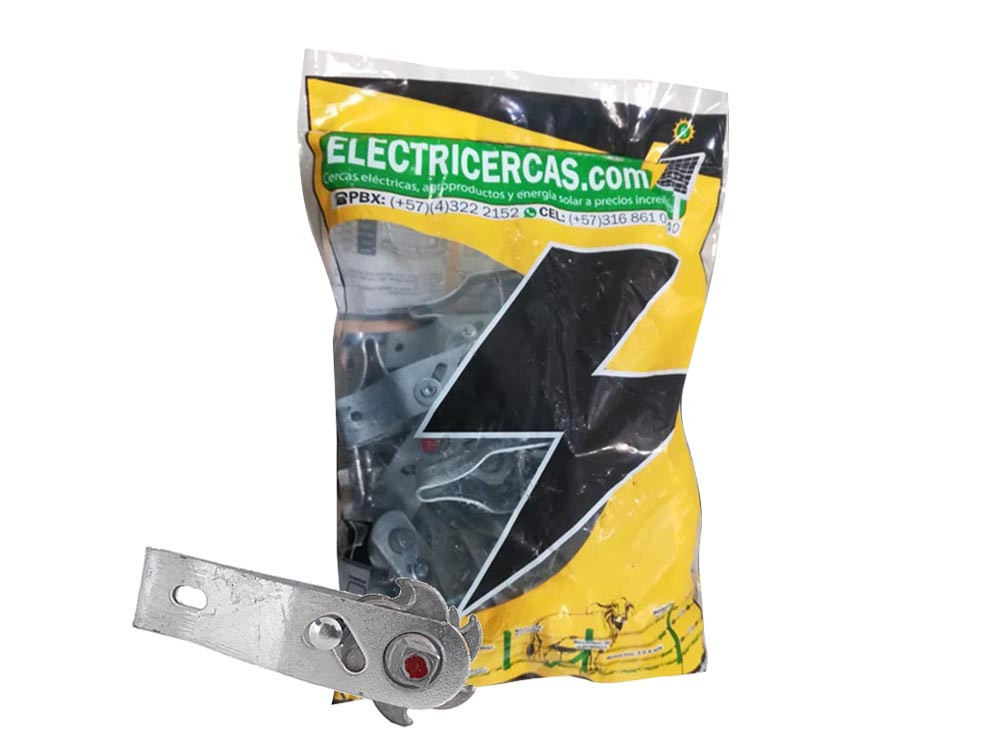
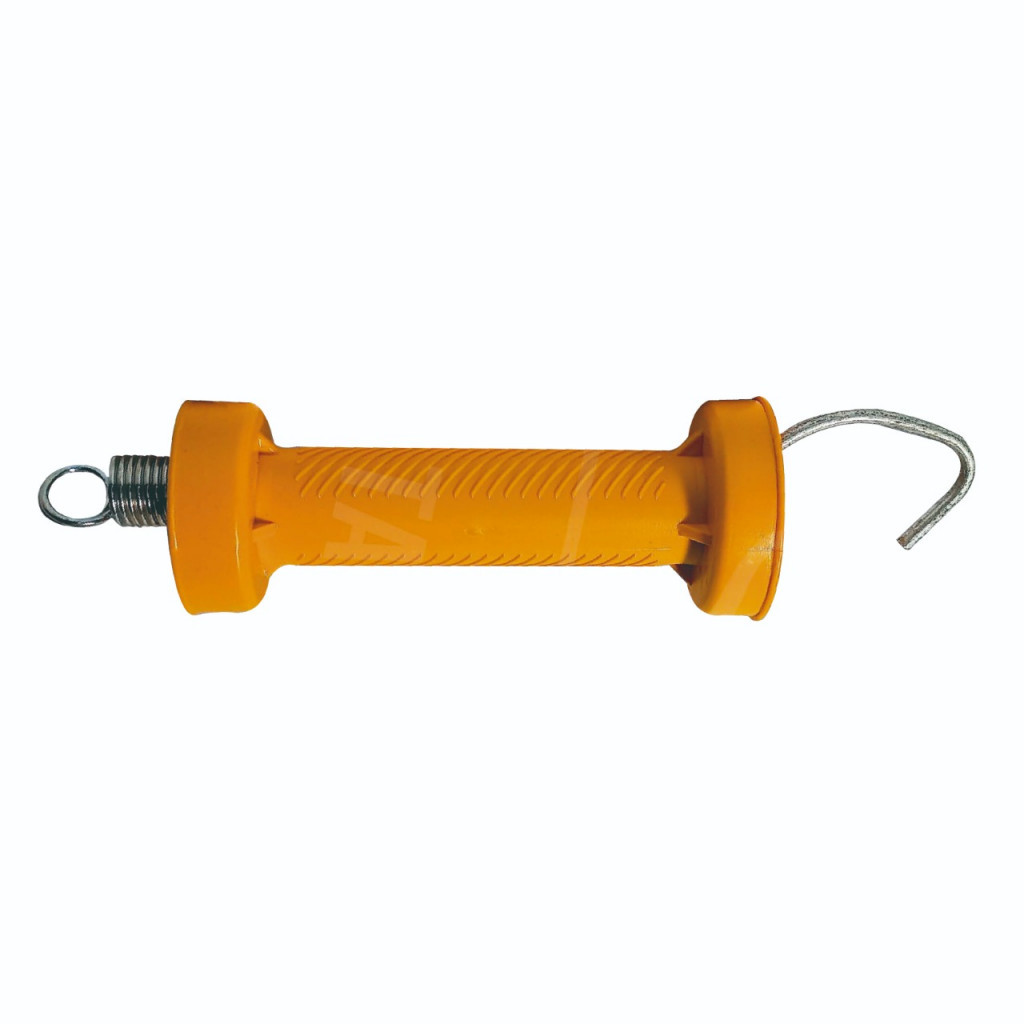
Find tensioners, connectors, testers and signs in electric fence accessories.
Common horse fencing mistakes
- Using thin wire alone with nothing visible.
- Electrifying or keeping barbed wire in horse pastures.
- Setting the top strand too low, inviting horses to jump or reach over.
- Leaving tape loose on curves, where a horse can catch a leg.
- Cranking up voltage to make up for poor visibility.
Build your horse fence with Electricercas
From Medellín, Colombia, Electricercas has helped breeders, boarding barns and hobby farms since 2014 choose the right tape, rope, insulators and energizer for their herd size and paddock layout. Estimate your materials with the quote calculator or contact us on WhatsApp at +57 305 453 5264 with your paddock dimensions in acres or feet. We ship throughout Colombia and to other countries.
Frequently asked questions
Is tape or wire better for horses?
Polytape or polyrope is more visible and safer, because it gives and horses can see it even at speed. Wire alone is hard to see; if you use it, add at least one strand of tape along the top.
How many volts does a horse electric fence need?
As a reference, 2,000 to 3,000 volts on the line is usually enough because horses have sensitive skin. What matters most is a consistent shock along the whole fence.
How high should the top strand be?
Roughly at the horse's withers or slightly above, typically 52 to 60 inches (1.3 to 1.5 m). That discourages jumping and keeps horses from reaching over.
How far apart should posts be with tape?
With tape, every 13 to 20 feet (4 to 6 m), because it moves in the wind. Rope can go 20 to 33 feet (6 to 10 m). Use solid posts and strain insulators at corners and gates.
Need help with your fence?
We ship worldwide. Message us and an advisor will help you choose the right setup.